
knest.ai • Property intelligence for home buyers
2026 Capital City Property Outlook: What Buyers Need to Know
National home values went flat in May 2026 while auction clearance sits near 50%, down from about 65% a year ago. Here's the 2026 capital city outlook for buyers.
In 2026, the national property market did something it hadn't done in a year: it stopped rising. Home values were flat across the country in May 2026, with Sydney and Melbourne slipping while Perth and Brisbane kept climbing (Cotality, National values flatline in May, May 2026). For buyers, that split, plus softer auctions, is reshaping where the leverage sits. Here's what the 2026 capital city outlook means for your decision.
- National home values were flat (0.0%) in May 2026, the weakest month in a year. Sydney and Melbourne eased while Perth and Brisbane rose (Cotality, 2026).
- It's a two-speed market: the smaller capitals are still growing at double-digit annual rates while the two biggest cities edge lower.
- Buyers have more room to negotiate. Auction clearance sits near 50%, down from about 65% a year earlier, and vendor discounts have widened (Cotality, 2026).
- Bank forecasts for 2026 diverge sharply, from flat to about 5%. Treat any single forecast as one view, not a plan.
Where are capital city prices heading in 2026?

They're cooling, but unevenly. National dwelling values were flat in May 2026, the softest monthly result in a year (Cotality, National values flatline in May, May 2026). Annual growth had peaked near 10% earlier in the year. The rapid pace of 2025 has clearly faded as higher rates bite.
What's behind the slowdown? Borrowing power, mostly. The cash rate sits at 4.35%, and APRA's 3-point serviceability buffer means buyers are assessed at around 9% (Reserve Bank of Australia, Cash Rate Target, 2026). That caps what anyone can bid. When fewer buyers can clear that bar, price growth stalls. For the mechanics, see how banks calculate your borrowing power.
Here's the part worth holding onto: a flat national number hides two very different markets underneath. The "average" barely moves, yet your actual city could be falling or still rising at a double-digit clip. National headlines are close to useless for a single buyer. What matters is your city, your price point, and your approved number.
Why is it a two-speed market right now?
Because the capitals are at different points in their cycles. In May 2026, Perth, Brisbane, Adelaide and Darwin were still posting strong double-digit annual growth (Cotality, National values flatline in May, May 2026). Sydney and Melbourne, meanwhile, slipped below their late-2025 peaks. The spread between the fastest- and slowest-growing capitals is unusually wide.
So a national "cooling" story can mislead. A Perth buyer faces a seller's market with homes selling in days, while a Melbourne buyer has more time and more leverage. The practical takeaway: don't import Sydney's headlines into a Perth decision, or vice versa. The cycle you're buying in depends entirely on which city you're standing in.
This divergence also shapes negotiation. Where values are still rising, vendors hold firm and act fast. Where they're easing, buyers can ask more questions, take more time, and push harder on price. Knowing which market you're in is the first read before any offer.
What do the forecasters expect for 2026?
Not much agreement. Westpac downgraded its outlook on 26 May 2026 to roughly flat nationally for the calendar year (Westpac, Housing forecast update, 26 May 2026). It sees Sydney and Melbourne falling while the smaller capitals keep rising. Commonwealth Bank, forecasting in March 2026, had pencilled in national growth "a bit over 5%" (CBA via Australian Property Update, March 2026). It later cut that outlook toward flat in June 2026 (CommBank, housing outlook downgrade, June 2026).
That's a wide spread, from flat to 5%, between two major banks just two months apart. From what we've seen helping buyers weigh these forecasts, the lesson isn't to pick the "right" one. It's that nobody can call the market precisely, so a forecast is context, never a plan. The table below shows how the views stack up.
| Forecaster | 2026 national view | Notable city calls |
|---|---|---|
| Westpac (26 May 2026) | Roughly flat | Sydney −3%, Melbourne −4%, Brisbane +9%, Perth +13%, Adelaide +7% |
| Commonwealth Bank (March 2026) | "A bit over 5%" (cut toward flat in June 2026) | Smaller capitals strongest |
Is the market shifting toward buyers?
In much of the country, yes. Auction clearance rates sat near 50% through May and early June 2026 (Cotality auction results, May–June 2026). That's well below the mid-60s seen a year earlier. Lower clearance means less competition at auction and more room to negotiate.
Private-treaty sales tell the same story. The median vendor discount widened to 3.1% across the combined capitals in May 2026, up from 2.9% (Cotality, Monthly Housing Chart Pack, May 2026). Sellers are accepting a little less, which hands buyers a stronger hand on price.
One caveat worth correcting: total listings aren't at multi-year highs. National stock on market was about 234,000 dwellings in April 2026, slightly below a year earlier (SQM Research, via Property Update, April 2026). New listings, though, have run modestly above their five-year average. So buyers have more leverage, but not a flood of extra choice.
What about rents while you decide?
Rents are still rising and the market stays tight. The national vacancy rate sits at just 1.2% (SQM Research, Rental vacancy rates, April 2026). Asking rents were up around 7.8% over the year, so conditions remain difficult for renters.
For buyers weighing rent-versus-buy, that matters. A 1.2% vacancy rate still means stiff competition and rising costs for renters, which keeps the pressure on to buy. But with values cooling, there's less urgency to rush in before prices "get away". In most capitals, right now, they aren't. The fear-of-missing-out math has softened, and that's a genuine advantage for a careful buyer.
What should buyers actually do in this 2026 market?
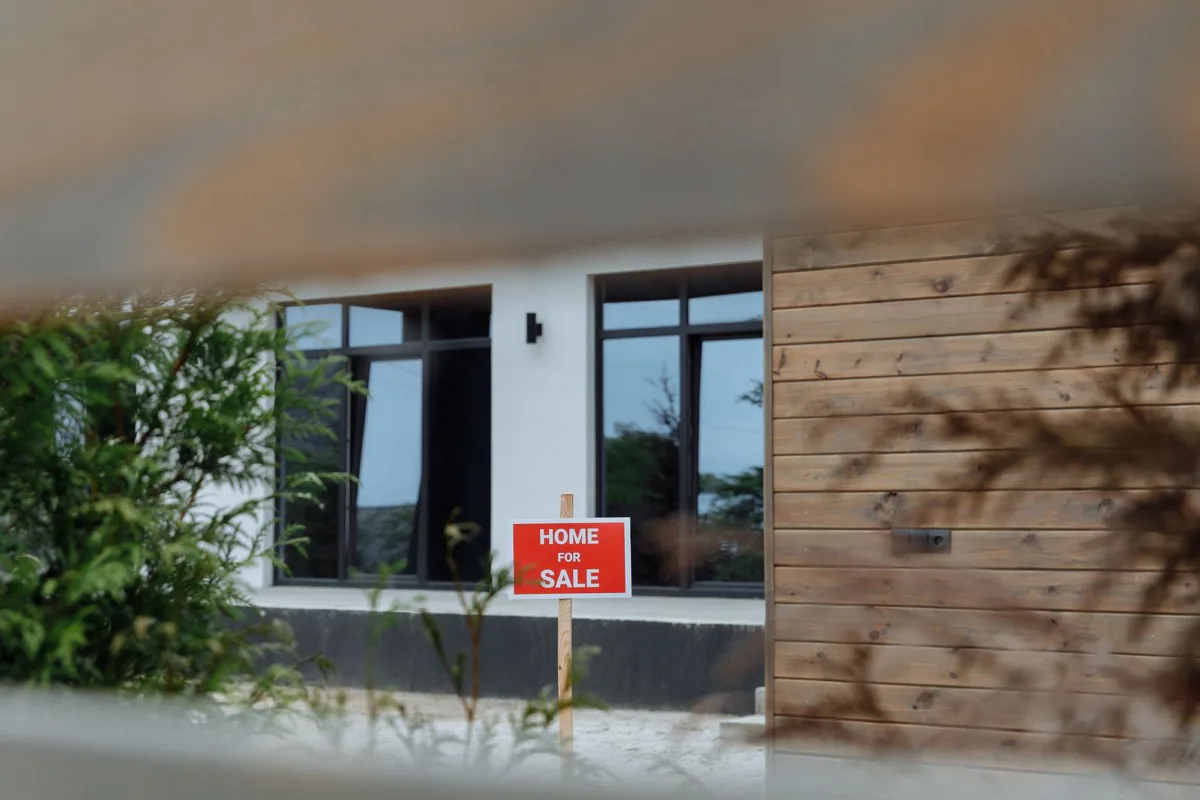
Anchor on your own numbers, then use the market's extra room. Borrowing power is capped by the 4.35% cash rate and APRA's 3% buffer (Reserve Bank of Australia, Cash Rate Target, 2026). So your approved figure, not the forecast, sets your real ceiling. Sort the finance first; let the softer market work in your favour second.
Four moves for this market:
- Know your real, current number. Refresh your pre-approval at today's rate before you bid. See our borrowing-readiness checklist for Australian buyers.
- Read your city, not the headline. A flat national figure can mean a falling Melbourne or a rising Perth. Buy for the cycle you're actually in.
- Use your negotiating room where it exists. In easing markets, lower clearance and wider discounts mean you can ask more and offer less.
- Don't try to time the bottom. Forecasts span flat to 5%, so build around your budget and your timeline, not a market call.
knest.ai sits on the buyer's side of this. Its experts help you organise suburb and pricing context, compare properties apples-to-apples, and map your borrowing readiness before you make an offer. They then flag where a licensed professional should verify the numbers. To get finance-ready first, meet the Home Loan Expert in the knest.ai app.
The bigger picture
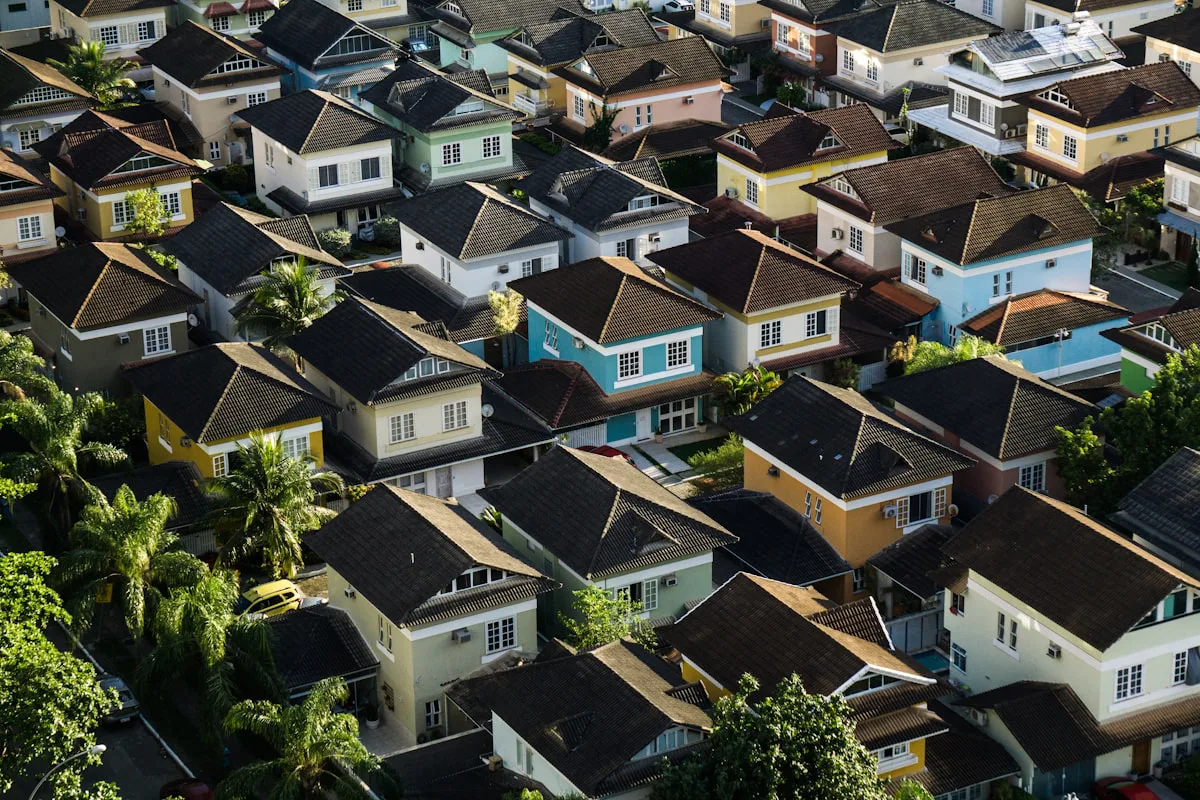
The 2026 capital city outlook isn't a single story; it's eight of them. National values have gone flat, but that average masks a market splitting into fast and slow lanes. Buyer leverage is returning fastest where prices are easing. For buyers, the noise around forecasts and headlines is largely a distraction.
What you can act on is concrete: your city's actual trajectory, your negotiating room in a softer market, and the borrowing number a lender will approve today. The market has handed careful buyers more time and more leverage than they had a year ago. The ones who use it well will have sorted their finance first and let the cooling market come to them.
Frequently asked questions
Are house prices going up or down in Australia in 2026?
It depends on the city. Nationally, values were flat in May 2026, but it's a two-speed market. Perth, Brisbane and Adelaide were still rising strongly while Sydney and Melbourne edged lower from their late-2025 peaks (Cotality, 2026).
Is 2026 a buyer's market in Australia?
Increasingly, in many capitals. Auction clearance sits near 50%, down from about 65% a year ago, and the median vendor discount has widened to 3.1% (Cotality, 2026). That means less competition and more room to negotiate, though tight markets like Perth remain seller-friendly.
What do the banks forecast for house prices in 2026?
They disagree. Westpac downgraded to roughly flat nationally on 26 May 2026, with Sydney and Melbourne falling. CBA in March 2026 expected a bit over 5% (Westpac, 2026; CBA, 2026). Treat any single forecast as one view, not a certainty.
Why are prices falling in Sydney and Melbourne but rising in Perth?
Different cycle stages. The cash rate at 4.35% and APRA's 3% buffer have capped borrowing power everywhere. But Perth, Brisbane and Adelaide entered 2026 with stronger momentum and tighter supply. Sydney and Melbourne, the most expensive markets, turned down first (Cotality, 2026).
Should I wait for prices to fall before buying?
Risky to bank on. Forecasts range from flat to about 5% in 2026, and timing the bottom rarely works. Your borrowing power is capped by the buffer regardless. Most buyers do better refreshing pre-approval and acting on a sound purchase than waiting (APRA, 2025).
Sources
- Cotality, National values flatline in May as housing markets face stronger headwinds, May 2026, retrieved 2026-06-11, https://www.cotality.com/au/insights/articles/national-values-flatline-in-may-as-housing-markets-face-stronger-headwinds
- Cotality, Monthly Housing Chart Pack, May 2026, retrieved 2026-06-11, https://www.cotality.com/au/insights/articles/monthly-housing-chart-pack-may-2026
- Westpac, Housing forecast update, 26 May 2026, retrieved 2026-06-11, https://www.westpaciq.com.au/economics/2026/05/housing-forecast-update-26-may-2026
- Australian Property Update, Big banks diverge on housing forecasts (CBA, March 2026), retrieved 2026-06-11, https://australianpropertyupdate.com.au/apu/big-banks-diverge-on-housing-forecasts
- Commonwealth Bank, Housing market faces multiple headwinds as price outlook downgraded, June 2026, retrieved 2026-06-11, https://www.commbank.com.au/articles/newsroom/2026/06/housing-market-faces-multiple-headwinds-as-price-outlook-downgraded.html
- SQM Research, Asking property price and listings tracker, April 2026, retrieved 2026-06-11, https://propertyupdate.com.au/asking-property-price-index/
- SQM Research, Rental vacancy rates, April 2026, retrieved 2026-06-11, https://propertyupdate.com.au/rental-vacancy-rates/
- Reserve Bank of Australia, Cash Rate Target, retrieved 2026-06-11, https://www.rba.gov.au/statistics/cash-rate/
Eleanor Hayes, Editor, knest.ai
knest.ai is an AI property-intelligence platform for home buyers, not a buyer's agent, lender, or broker. This article is general information only, not personal financial or credit advice and not a property valuation, so verify figures and seek advice tailored to your situation before you act.