
knest.ai • Property intelligence for home buyers
SMSF and Residential Property: The Rules After the 2026 LRBA Ban
"Use your super to buy property" gets repeated more than it gets explained, and a 2026 law change has put SMSFs and property back in the news. What an SMSF can and can't do with residential property from 10 August 2026 — and why it was never a way to buy your own home.
"Use your super to buy property" is one of those lines that gets repeated more than it gets explained, and a 2026 law change has put self-managed super funds and property back in the news. This guide sets out what an SMSF can and can't do with residential property from 10 August 2026, in plain English, and why, if you're buying a home to live in, an SMSF was never the answer.
This is the SMSF corner of the bigger picture. For every route super can and can't fund a home, see all the ways super can and can't fund a home.
- From 10 August 2026, an SMSF can no longer use a limited recourse borrowing arrangement to buy residential property; the law now requires that kind of borrowing to be for business real property (Federal Register of Legislation, 2026).
- Arrangements entered into before 10 August are grandfathered, and cash (unborrowed) SMSF residential purchases and business-property borrowing are unaffected.
- The rule that matters most for a home buyer is older and unchanged: an SMSF is a retirement vehicle, and you can't live in, or rent, a home it owns.
- So an SMSF is not a way to buy your first home to live in. If that's your goal, the First Home Super Saver scheme is the super pathway that fits.
Can an SMSF buy residential property?
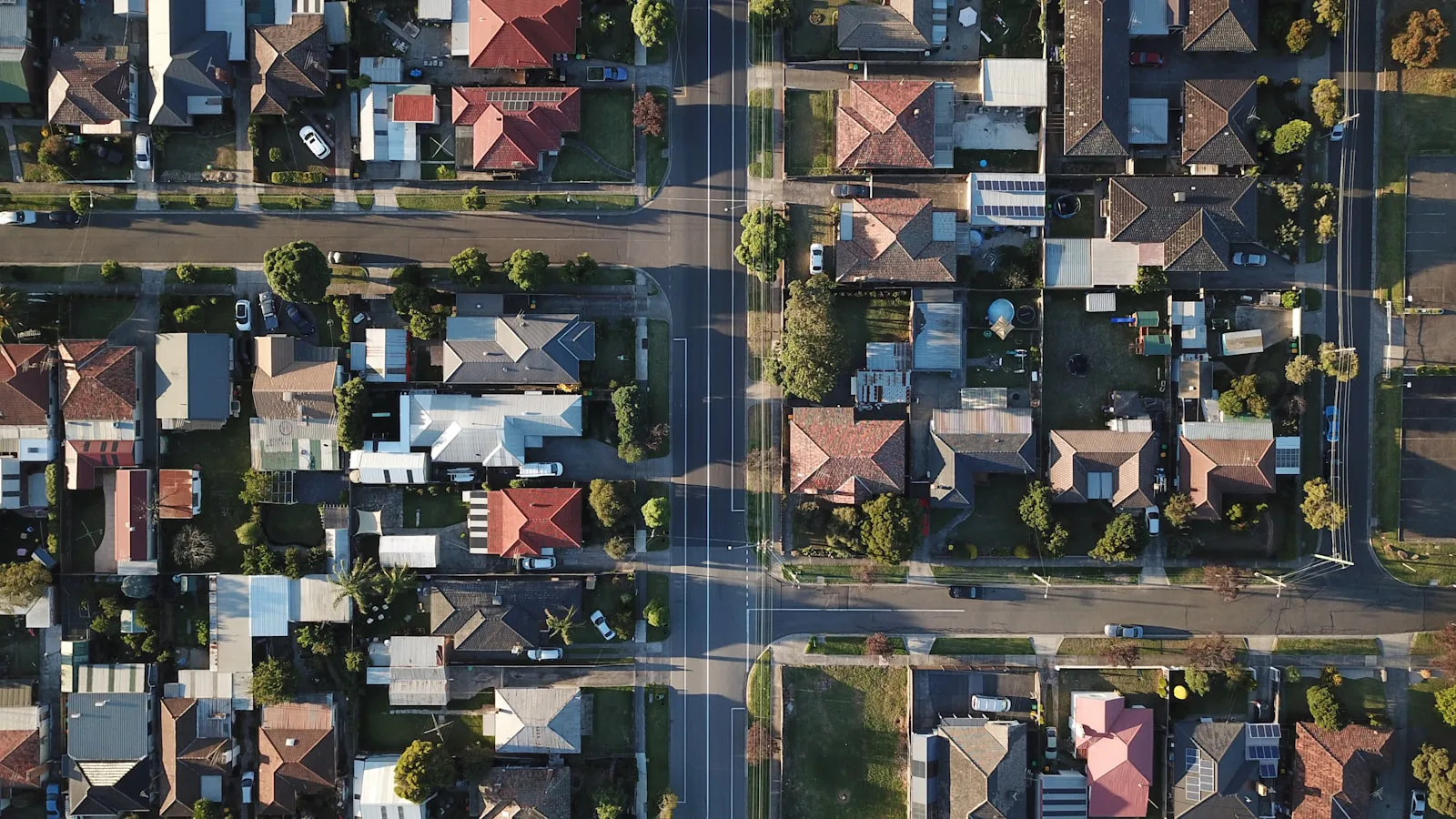
Yes, a self-managed super fund can own residential property, but as a retirement investment, and under strict rules. The fund must satisfy the sole purpose test, meaning it's maintained solely to provide retirement benefits to its members (Moneysmart, 2026). It can't buy residential property from a member or other related party, because there's no residential exception to that prohibition (ATO, 2026). And, as the next sections cover, neither you nor your family can use the property yourselves.
So it's possible, but it's an investment structure for retirement, not a personal one. That distinction is what the rest of this guide turns on.
What changes on 10 August 2026
Until now, an SMSF could borrow to buy residential property using a limited recourse borrowing arrangement (an LRBA): the fund borrows to acquire a single asset, held in a separate trust, with the lender's recourse limited to that asset (ATO, 2026). From 10 August 2026, that door closes for residential property.
The change sits in the Treasury Laws Amendment (Tax Reform No. 1) Act 2026, which received assent on 26 June 2026; its Schedule 5 amends the superannuation law that governs SMSF borrowing (Federal Register of Legislation, 2026). Rather than naming a "residential ban", the amendment requires that where an LRBA's asset is real property, it must be business real property, which has the effect of ending new residential-property borrowing inside an SMSF (SMSF Adviser, 2026).
Two things soften it. Arrangements entered into before 10 August are grandfathered, so existing SMSF property loans continue. A purchase contract signed before that date is also protected, even if it settles later (Sladen Legal, 2026). And plenty is untouched: borrowing to buy business real property, borrowing over shares or managed funds, and an SMSF buying residential property outright with cash are all unaffected, with no forced unwinding of existing loans.
| Residential property in an SMSF | From 10 August 2026 |
|---|---|
| Buy it outright, with cash (no borrowing) | Still allowed |
| Take out a new LRBA to buy it | No longer allowed |
| A residential LRBA started before 10 August | Grandfathered, continues |
| Borrow (LRBA) to buy business real property | Still allowed |
| Borrow over shares, ETFs or managed funds | Still allowed |
Why the change happened
The measure arrived late. The 2026 tax-reform Bill was introduced on 28 May 2026, and the borrowing change was added as an amendment shortly before the Bill passed both Houses in late June, receiving assent on 26 June (Federal Register of Legislation, 2026). Its commencement was set for 45 days after assent, which falls on 10 August 2026 (Parliament of Australia, 2026).
- 12 May 2026 — the tax-reform package is announced in the Budget.
- 28 May 2026 — the Bill is introduced to Parliament, without the borrowing measure.
- Late June 2026 — the LRBA amendment is added, and the Bill passes both Houses; assent follows on 26 June.
- 10 August 2026 — the change commences, 45 days after assent.
In the commentary, the change is framed as closing a borrowing avenue that mostly suited higher-balance investors. Whatever the politics, the practical question for a home buyer is simpler, and it's older than this law.
The rule that matters more: you can't live in it

Here's the rule that settles it for most people, and it hasn't changed. Because an SMSF exists solely to provide retirement benefits, neither you nor a related party can live in, or rent, a residential property the fund owns, even at full market rent (Moneysmart, 2026). Renting it to yourself or family breaches the sole purpose test and the in-house asset rules, which cap that kind of related-party use at 5% of the fund (ATO, 2026).
You could only ever move into an SMSF property after you've retired (met a condition of release) and the property has been transferred out of the fund to you personally. In other words, an SMSF cannot buy the home you want to live in now. That was true before this law change, and it's still true after it.
So can you use an SMSF to buy your first home?
No, not a home you'll live in. An SMSF is a retirement-investment structure, with real running costs and heavy compliance obligations, and the sole purpose test keeps you and your family out of any home it owns. It's not a shortcut into your first home, and the 10 August change only narrows what it can do, by removing the borrowing option for residential property.
If the goal is to use your super toward a home you'll actually live in, the pathway that fits is the First Home Super Saver scheme, which lets you save inside super and withdraw those voluntary contributions for your deposit. Start with the complete First Home Super Saver guide.
If you're still considering an SMSF
SMSFs are complex, heavily regulated, and carry ongoing costs and trustee responsibilities, so they suit a narrow set of circumstances and always warrant licensed advice before you act. If property is part of the plan, factor in the 10 August change from the start, and get the structure checked by a licensed financial adviser or SMSF specialist, with the ATO's guidance as the reference point. This article is general information, not a recommendation to set up or use an SMSF.
The bottom line
- From 10 August 2026, an SMSF can't take a new loan to buy residential property; borrowing must be for business real property, though existing arrangements are grandfathered.
- Cash residential purchases and business-property or share borrowing by an SMSF are unaffected.
- The decisive rule is unchanged: you can't live in or rent a home your SMSF owns, so an SMSF can't buy the home you want to live in.
- For using super toward a home you'll actually live in, the First Home Super Saver scheme is the pathway that fits.
If you're a first home buyer, the useful super pathway is the First Home Super Saver scheme. If you're closer to retirement, when super can be withdrawn for a home depends on your age and a condition of release, covered in when you can withdraw super to buy a house, by age. And for the full comparison of every option, see all the ways super can and can't fund a home.
Frequently asked questions
Can an SMSF buy residential property?
Yes, as a retirement investment, under strict rules: it must meet the sole purpose test and can't be bought from a related party (ATO, 2026). From 10 August 2026, though, an SMSF can no longer borrow to buy residential property; it would need to buy outright with cash.
Can I live in a property my SMSF owns?
No. Neither you nor a related party can live in, or rent, a residential property your SMSF owns, even at market rent, because it would breach the sole purpose test (Moneysmart, 2026). You could only occupy it after retirement and after it's transferred out of the fund to you.
Can I use an SMSF to buy my first home?
Not one you'll live in. An SMSF is a retirement structure and you can't occupy a home it owns, so it isn't a route to your own first home (ATO, 2026). If you want to use super toward your first home, the First Home Super Saver scheme is the pathway designed for that.
What is the 2026 SMSF borrowing ban?
From 10 August 2026, an SMSF can no longer take out a new limited recourse borrowing arrangement to buy residential property; the law requires such borrowing to be for business real property (Federal Register of Legislation, 2026). It stems from the Treasury Laws Amendment (Tax Reform No. 1) Act 2026, assented on 26 June 2026.
Does the ban affect an SMSF that already has a property loan?
No. Arrangements entered into before 10 August 2026 are grandfathered, so existing SMSF residential loans continue, and a contract signed before that date is protected even if it settles later (Sladen Legal, 2026). There's no forced unwinding of existing loans.
Sources
- Federal Register of Legislation, Treasury Laws Amendment (Tax Reform No. 1) Act 2026 (Act No. 49, 2026; assented 26 June 2026), retrieved 2026-07-23, https://www.legislation.gov.au/C2026A00049/asmade
- Parliament of Australia, Bills Digest 26bd067 (Treasury Laws Amendment (Tax Reform No. 1) Bill 2026), retrieved 2026-07-23, https://www.aph.gov.au/Parliamentary_Business/Bills_Legislation/bd/bd2526/26bd067
- SMSF Adviser, LRBAs will soon be limited to business real property and exclude residential property, retrieved 2026-07-23, https://www.smsfadviser.com/lrbas-will-soon-be-limited-to-business-real-property-and-exclude-residential-property
- Sladen Legal, Legislation passed with ban on LRBAs for residential property, 26 June 2026, retrieved 2026-07-23, https://sladen.com.au/news/2026/6/26/sladen-snippet-legislation-passed-with-ban-on-lrbas-for-residential-property
- ATO, What are the SMSF investment restrictions?, retrieved 2026-07-23, https://www.ato.gov.au/individuals-and-families/super-for-individuals-and-families/self-managed-super-funds-smsf/smsf-investing/restrictions-on-smsf-investments/what-are-the-smsf-investment-restrictions
- ATO, Limited recourse borrowing arrangements, retrieved 2026-07-23, https://www.ato.gov.au/individuals-and-families/super-for-individuals-and-families/self-managed-super-funds-smsf/smsf-investing/restrictions-on-smsf-investments/smsf-borrowing-restrictions/limited-recourse-borrowing-arrangements
- Moneysmart (ASIC), SMSFs and property, retrieved 2026-07-23, https://moneysmart.gov.au/property-investment/smsfs-and-property
— Eleanor Hayes, Editor, knest.ai
This article is general information for Australian home buyers, not personal financial, credit, legal or tax advice, and not a property valuation. Self-managed super funds are complex and heavily regulated; the rules and the 2026 borrowing change summarised here depend on your circumstances and can change, so confirm the current position with the ATO and a licensed financial adviser or SMSF specialist before you act. Figures and rules are current at 3 August 2026. knest.ai is an AI property-intelligence platform that supports buyer judgment; it doesn't replace a broker, conveyancer or solicitor, building and pest inspector, valuer, or buyer's agent.