
The AI buyer’s agent that helps you buy smarter.
Free property reports, an independent value estimate and your borrowing power on any Australian home. Instant, 24/7, and never paid by sellers, so nothing rides on you settling.
See how a digital buyer’s agent helps.
A property co-pilot for every step of the journey, from first search to settlement day.
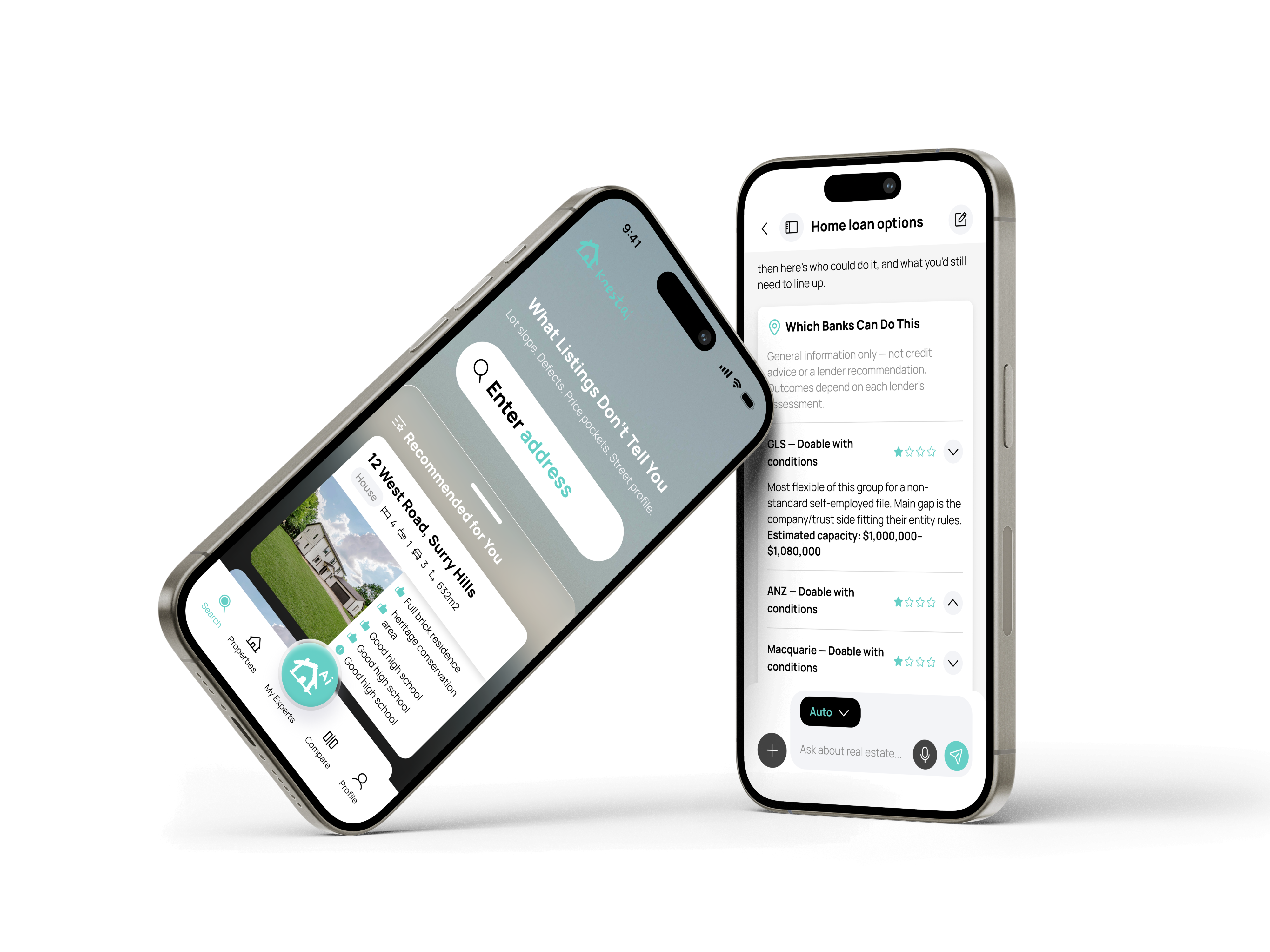
Know your budget before you start looking
Check your borrowing power in minutes and see the loan options that fit. knest.ai gives you a real number to search with, so you don’t fall for a home you can’t actually afford.
Popular reports this week
Real homes buyers are researching right now. Each free property report shows knest.ai category scores and the headline findings — open it for the full detail.
“The suburb comparison saved me months of research. The Marrickville vs Strathfield analysis actually showed me why one fit my budget.”

“Everything is pulled into one report — zoning, risks, the surrounding area. It genuinely helps me judge whether a place is worth considering.”

“The pocket price distribution was a game changer. I could see exactly which streets were overpriced before I made an offer.”
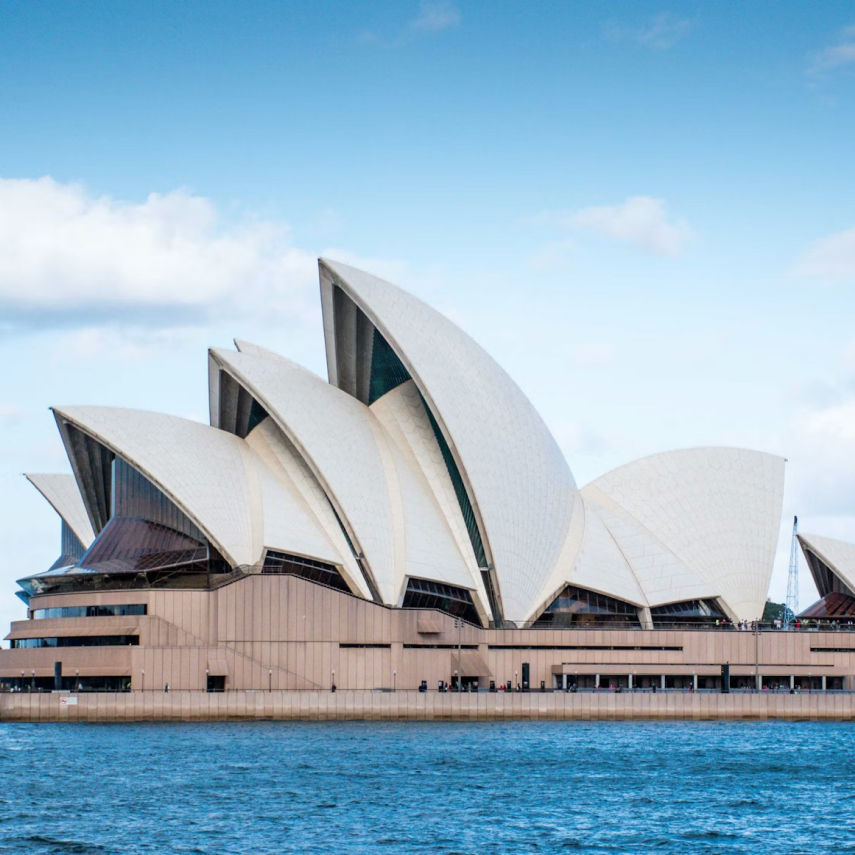
Every knest.ai report draws on reliable sources — government, private sector, satellite and more.
 Better Education Pty Ltd
 Valuer General NSW
 Property NSW
 NSW Department of Planning, Housing and Infrastructure
 NSW Rural Fire Service
 Heritage NSW
 Australian Bureau of Statistics (ABS)
 NSW Department of Education
 Transport for NSW
 Digital Atlas of Australia – National Roads dataset
 Geoscience Australia
 NSW Spatial Services
 NSW Fair Trading
 NSW Bureau of Crime Statistics and Research
 Geoscape Australia – G-NAF
 OpenStreetMap
 Google Street View

Download the app


Start a conversation with your AI buyer’s agent.
Free, independent, and ready when you are.
Buyer’s agent questions, answered.
What is a buyer’s agent?
A buyer’s agent, also called a buyer’s advocate, is a licensed professional who works for the buyer instead of the seller. They research properties, assess fair value and negotiate or bid on your behalf. Everyone else in a property sale is paid to achieve the highest possible price. The selling agent works for the vendor. The auctioneer works for the vendor. A buyer’s agent is the only party at the table on your side. knest.ai is a digital one: the same research, valuation and risk work, done by AI, free to start.
What is an AI buyer’s agent?
An AI buyer’s agent does the information side of a buyer’s agent’s job with software instead of a person: reading flood and planning maps, analysing comparable sales, estimating value and flagging risks on any address, instantly and around the clock. It does not bid at auction or negotiate for you.
What does a buyer’s agent actually do?
A traditional buyer’s agent does five things: shortlists properties against your brief, investigates risks such as flooding, zoning and easements, analyses comparable sales to work out what a home is really worth, negotiates with the selling agent or bids at auction, and manages the process through to exchange. As a digital buyer’s agent, knest.ai does the first three instantly and for free. The negotiating and bidding stay human.
How much does a buyer’s agent cost in Australia?
Buyer’s agent fees in Australia typically run between 1.5% and 2.5% of the purchase price, or a fixed fee of several thousand dollars. On a Sydney home that usually lands somewhere between $10,000 and $25,000. Some agents charge a smaller engagement fee upfront and the balance on settlement. Auction bidding only, without the search and shortlist work, is cheaper and often costs $500 to $1,500. Because knest.ai is digital, the economics are different: reports and AI chat are completely free. You only ever pay human fees if you choose to engage a human.
Is a buyer’s agent worth it?
It depends on how much you are likely to overpay without one, and on how much time you have. If a buyer’s agent stops you paying $50,000 over the mark, or stops you buying a home with a flood history you did not know about, the fee has paid for itself several times over. If you have the time to do the research yourself and you are confident negotiating, you may not need one. The gap for most buyers is not confidence, it is data. That is the part an AI buyer’s agent covers for free, so you can go it alone properly informed, or hire a human professional knowing exactly what you are paying them for.
What is the difference between a buyer’s agent and a real estate agent?
They sit on opposite sides of the same transaction. A real estate agent, listing agent, is engaged by the seller and paid a commission based on the sale price, so their incentive is a higher price. A buyer’s agent is engaged and paid by the buyer, so their incentive is a lower price and a clean purchase. Both are licensed under the same state legislation. The difference is who is paying them.
Do I need a buyer’s agent to buy a house?
No. There is no legal requirement to use a buyer’s agent anywhere in Australia. You do need a conveyancer or solicitor to handle the legal transfer. Most Australian buyers purchase without one. What every buyer does need is the information a buyer’s agent would gather, which is the part knest.ai does free, in minutes, for any address.
What should I check before making an offer on a house?
At a minimum: comparable sales in the immediate area from the last six months, flood and bushfire risk for that exact address, the zoning and any development or heritage restrictions, land size and slope, easements on the title, the school catchment, and whether the asking price sits above or below the market. A building and pest inspection covers the physical condition. A contract review by a conveyancer covers the legal side. knest.ai’s free report covers the research in one place, which is the part that normally takes a weekend of tab-hopping.
How do I check if a property is in a flood zone?
Every state publishes flood mapping, but it is spread across council planning portals, state flood databases and planning certificates, and the detail varies by council. The fastest route is to search the address on knest.ai, which pulls council flood and heritage mapping into a single free report along with bushfire risk and zoning. For a legally relevant answer before exchange, your conveyancer will obtain the planning certificate, which is a section 10.7 certificate in New South Wales.
How is knest.ai different from a bank property report?
Bank property reports are generally free and useful, but they exist to start a home loan conversation, so they focus on value and suburb trends. knest.ai reports are built for the decision on a specific home, so they cover flood and bushfire risk, zoning and planning restrictions, easements, land size and slope, and comparable sales, and the AI chat lets you interrogate any of it. knest.ai is also not a lender, so nothing in the report is shaped by wanting to write a mortgage.
Is knest.ai really independent?
Yes. knest.ai is Sydney based and takes no commission from sellers or selling agents. Free reports and AI chat cost nothing. Revenue comes from disclosed referral fees if you choose to connect with a broker. Referral relationships never change what a report says or what the AI tells you, and we do not sell your data.