
Blakehurst NSW 2221
Blakehurst, NSW 2221 is a bayside residential suburb in Sydney’s St George region, governed by Georges River Council. It is characterised by river and creek adjacency, solid tree canopy cover, and a housing mix dominated by separate houses. Safety is strong, walkability is moderate, bus services are plentiful, and typical CBD travel is about 50 minutes by public transport or 30 minutes by car. Household income appears generally above average. The suburb has strong school ratings and a multicultural profile, with Australian and Chinese backgrounds prominent. Major shopping hubs serving Blakehurst include Hurstville and Southgate Sylvania.
The mix of houses and apartments that make up the Blakehurst NSW 2221 property market, and the sale price range each achieved over the past 12 months.
How close Blakehurst NSW 2221 properties sit to major roads or rail, and how much traffic noise that brings compared to properties set back from them.
Train, metro, light rail, ferry and B-Line services accessible from Blakehurst NSW 2221.
"Houses" in this report includes detached houses, duplexes, and terraces.
How house lots across Blakehurst NSW 2221 sit relative to street level — topography that affects drainage, flood risk, privacy, and build cost.
See which key planning overlays and environmental risks affect this suburb before you buy.
The share of Blakehurst NSW 2221 houses within easy walking distance (1.2km) of a train station.
The 20-year trend in median house sale prices across Blakehurst NSW 2221, tracked separately from apartments.
Typical land characteristics and common property features across Blakehurst NSW 2221.
How property prices vary across the different pockets of Blakehurst NSW 2221, and how each pocket compares.
The top 3 highest house sales in Blakehurst NSW 2221 over the past 24 months.


174 popular houses in Blakehurst NSW 2221
The 20-year trend in median apartment sale prices across Blakehurst NSW 2221, tracked separately from houses.
Where apartment projects are concentrated across Blakehurst NSW 2221, with project-level sales context.
The median weekly rent for apartments in Blakehurst NSW 2221.
The largest apartment projects in Blakehurst NSW 2221, ranked by number of lots.
17 popular apartments in Blakehurst NSW 2221
Median age, household income, and the renter-versus-owner split that shape the Blakehurst NSW 2221 community.
Get the knest.ai app
Gain ultimate insights into any property
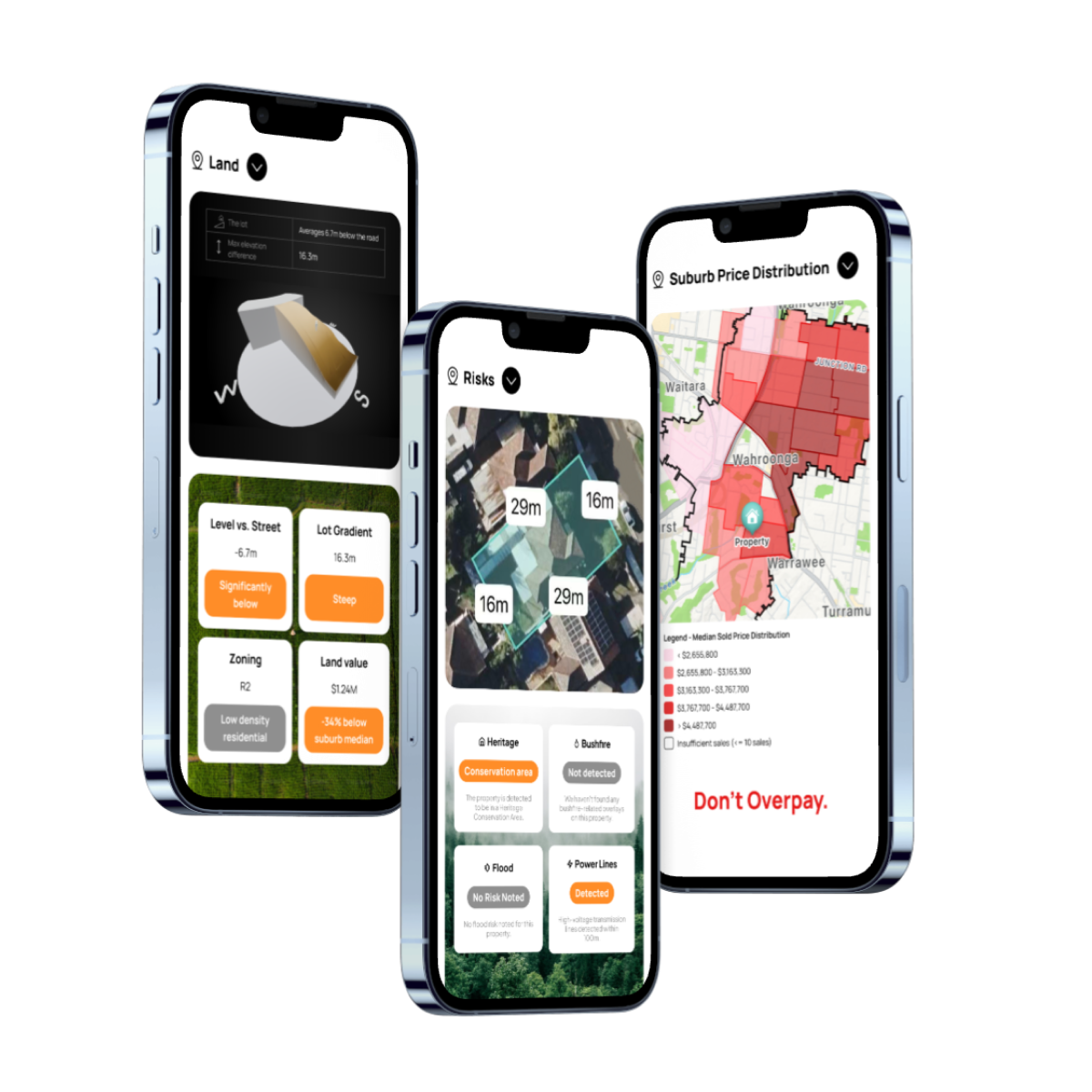
Buyer-focused property platform identifying risks, price estimates, 3D land maps and more to help you make smarter decisions — completely free.

Living in Blakehurst NSW 2221: Suburb Profile & FAQs
Common questions about living in and buying property in Blakehurst NSW 2221 — lifestyle, transport, schools, and the housing market.
Note: Data is sourced from the Australian Bureau of Statistics (ABS) 2021 Census data and knest.ai internal statistical data.
Is Blakehurst NSW 2221 a good suburb for families?
Blakehurst NSW 2221 is a solid suburb for families, especially for buyers who want a house-oriented area with a steadier residential feel. The housing mix is a big positive for family buyers: around 91% of homes are separate houses and only about 4% are apartments, which usually means more space, more private outdoor area, and a streetscape that suits longer-term family living. Household size averages 3.1 people, and children make up a meaningful part of the suburb, with about 5.3% aged 0 to 4 and 13.6% aged 5 to 14. Safety also looks relatively reassuring at 4 out of 5, which supports Blakehurst’s appeal as a good suburb for families. The trade-off is schools data appears fairly average rather than standout, with both primary and secondary ratings at 10 out of 5 not indicating a premium school-driven market. So Blakehurst is good for kids and space, but less compelling if top-tier school performance is your main reason for buying.
What is it like to live in Blakehurst NSW 2221?
Living in Blakehurst NSW 2221 feels established, residential, and practical rather than highly urban or fast-moving. It sits in the St George region and comes across as a bayside residential suburb with river or creek-adjacent surroundings, which gives parts of Blakehurst a calmer waterside backdrop without making it feel like a beach suburb. Day to day, the lifestyle is more about home life and local routines than buzz, with walkability at 3 out of 5, culture at 3 out of 5, and retail at 2 out of 5. That points to a suburb where some errands are manageable, but not a true walk-everywhere location. Safety at 4 out of 5 is a clear positive for buyers wanting a more settled environment. The trade-off is that canopy cover is 22.2%, so Blakehurst is not among Sydney’s leafiest suburbs, and buyers wanting a strong café strip or highly vibrant street life may find the lifestyle a little quieter and more car-dependent.
Is Blakehurst NSW 2221 well connected for commuting?
Blakehurst NSW 2221 is mixed rather than highly convenient for commuting. The suburb has many bus services, which helps for day-to-day movement, but it does not have its own train, metro, light rail, or ferry service. That means public transport to the Sydney CBD is workable rather than seamless, with an average commute of about 50 minutes by public transport. Driving is noticeably quicker at around 30 minutes, so Blakehurst can suit buyers who expect to commute by car or combine buses with nearby transport connections. For some households, especially those working in the St George area or travelling outside peak CBD patterns, that may be perfectly acceptable. The main trade-off is that Blakehurst is not one of Sydney’s strongest suburbs for rail-based commuting, so buyers who want direct train access or multiple public transport modes may find it less convenient than better-connected inner or station-based suburbs.
Who does Blakehurst NSW 2221 suit best?
Blakehurst NSW 2221 suits established families, upsizers, and professional households who want a predominantly house-based suburb in the St George area. The suburb’s housing profile is very clear: about 91% separate houses and only 4% apartments, so it naturally appeals more to buyers looking for land, larger floorplans, and a more traditional suburban setup. The resident profile also leans stable and higher earning, with managers and professionals making up about 47.1% of workers, led by professionals at 28.9% and managers at 18.2%. Median family income sits at $2,322 per week, and the median age is 41, which suggests a mature suburb with many settled households rather than a transient first-home buyer market. Rental share is relatively modest at about 14.1%, reinforcing that longer-term ownership is a bigger part of the suburb’s character. The trade-off is that Blakehurst may suit apartment-focused buyers, ultra-urban professionals, or buyers chasing nightlife and dense convenience less well.
What are the pros and cons of living in Blakehurst NSW 2221?
The main trade-off in Blakehurst NSW 2221 is that you get space, stability, and a family-oriented housing mix, but you give up some of the convenience and energy found in more connected or more walkable suburbs. On the plus side, safety is a solid 4 out of 5, the suburb is overwhelmingly made up of houses, and the river or creek-adjacent setting adds lifestyle appeal for buyers who value a more residential environment. It also has many bus services, so transport is not poor, just not as complete as suburbs with rail or ferry access. On the downside, retail is only 2 out of 5 and walkability is 3 out of 5, so Blakehurst is not a strong fit for buyers who want lively main streets, frequent café hopping, or easy car-free living. Public transport into the CBD also takes around 50 minutes. For buyers who prioritise house living and a steadier suburb feel, those compromises may be entirely reasonable.
What are property prices like in Blakehurst NSW 2221?
Property prices in Blakehurst NSW 2221 are expensive by normal Sydney buyer expectations, especially for houses. In the most recent sales data, houses had a median price of about $2.3 million, with an upper quartile around $3.0 million, which tells buyers that freestanding homes in Blakehurst sit firmly in the higher budget bracket. Apartments are notably more accessible, with a median around $975,000, so there is a meaningful gap between house and unit entry points. In practical terms, buying property in Blakehurst often means choosing between paying a premium for land, family space, and a predominantly house-based suburb, or using an apartment as a more manageable way into the area. The trade-off is straightforward: houses offer the lifestyle many family buyers want, but budget pressure is real. Apartments give better price access, though usually with less space and a different living experience than the suburb’s dominant detached-home character.
31 surrounding suburbs near Blakehurst NSW 2221
70 streets in Blakehurst NSW 2221