
Casula NSW 2170
Casula, NSW 2170, is a South West Sydney suburb in the Liverpool local government area, governed by Liverpool City Council. It sits in the South West & Macarthur region and is served by Casula railway station on the T2 line, frequent bus services, and about 50 minutes by public transport to the Sydney CBD. Housing is overwhelmingly separate houses. Casula is known as an urban, built-up, arts and multicultural suburb, with the Liverpool Powerhouse in Casula Parklands adding cultural appeal. Casula Mall is the main sub-regional shopping centre, with Westfield Liverpool also nearby. Household income is generally average.
The mix of houses and apartments that make up the Casula NSW 2170 property market, and the sale price range each achieved over the past 12 months.
How close Casula NSW 2170 properties sit to major roads or rail, and how much traffic noise that brings compared to properties set back from them.
Train, metro, light rail, ferry and B-Line services accessible from Casula NSW 2170.
"Houses" in this report includes detached houses, duplexes, and terraces.
How house lots across Casula NSW 2170 sit relative to street level — topography that affects drainage, flood risk, privacy, and build cost.
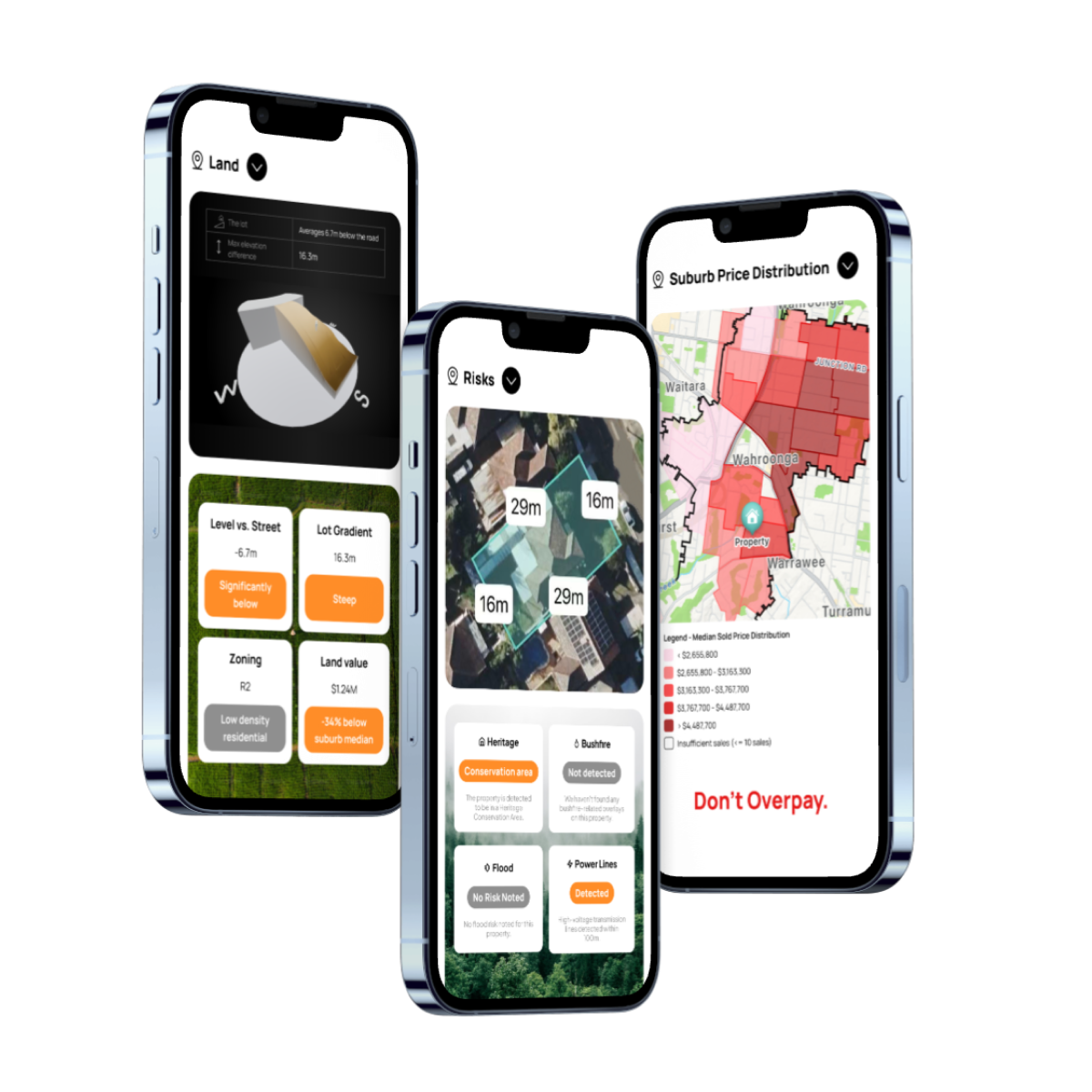
See which key planning overlays and environmental risks affect this suburb before you buy.
The share of Casula NSW 2170 houses within easy walking distance (1.2km) of a train station.
The 20-year trend in median house sale prices across Casula NSW 2170, tracked separately from apartments.
Typical land characteristics and common property features across Casula NSW 2170.
How property prices vary across the different pockets of Casula NSW 2170, and how each pocket compares.
The top 3 highest house sales in Casula NSW 2170 over the past 24 months.


274 popular houses in Casula NSW 2170
The 20-year trend in median apartment sale prices across Casula NSW 2170, tracked separately from houses.
Where apartment projects are concentrated across Casula NSW 2170, with project-level sales context.
The median weekly rent for apartments in Casula NSW 2170.
The largest apartment projects in Casula NSW 2170, ranked by number of lots.
6 popular apartments in Casula NSW 2170
Median age, household income, and the renter-versus-owner split that shape the Casula NSW 2170 community.
Get the knest.ai app
Gain ultimate insights into any property
Buyer-focused property platform identifying risks, price estimates, 3D land maps and more to help you make smarter decisions — completely free.

Living in Casula NSW 2170: Suburb Profile & FAQs
Common questions about living in and buying property in Casula NSW 2170 — lifestyle, transport, schools, and the housing market.
Note: Data is sourced from the Australian Bureau of Statistics (ABS) 2021 Census data and knest.ai internal statistical data.
Is CASULA NSW 2170 a good suburb for families?
CASULA NSW 2170 is a solid suburb for families, especially buyers who want a house-dominated area with access to schooling and room for everyday family life. The strongest family signal here is the housing mix: about 96% of homes are separate houses, apartments are only around 2%, and the average household size is 3.2 people, which points to a suburb that accommodates larger households better than many denser Sydney markets. Schooling also stands out, with both primary and secondary education rated 8 out of 10, which supports CASULA’s appeal for buyers searching for a good suburb for families, schools and safety. The trade-off is that safety is only 1 out of 5, so I would describe CASULA as a mixed rather than highly family-friendly suburb. It can still work well for families who prioritise house space, schooling and value over a more polished or especially calm feel. It is likely to suit practical family buyers better than those chasing a prestige or low-density North Shore style environment.
What is it like to live in CASULA NSW 2170?
Living in CASULA NSW 2170 feels practical, multicultural and established, with an urban everyday rhythm rather than a village or prestige atmosphere. CASULA sits in South West & Macarthur and its character is described as an arts and multicultural suburb, which fits with a culture rating of 4 out of 5. In day-to-day terms, that usually means buyers can expect a more mixed local community feel, everyday convenience, and a suburb that functions well for regular family routines rather than lifestyle gloss. Walkability and retail are both 3 out of 5, so living in CASULA is reasonably workable without being a true walk-everywhere suburb. The compromise is that CASULA is not especially leafy, with canopy cover at 16.79%, and the setting is more urban and built-up than green or scenic. Safety is also only 1 out of 5, so while the suburb may suit buyers who value practicality, space and cultural diversity, it may feel less appealing to those specifically seeking a quieter or more refined lifestyle setting.
Is CASULA NSW 2170 well connected for commuting?
CASULA NSW 2170 is well connected for commuting by South West Sydney standards, particularly because it has train access and frequent bus services. The suburb has a station on the T2 line, buses are rated as many, and the average public transport commute to the Sydney CBD is about 50 minutes. Driving is quicker at around 35 minutes on average, which gives commuters a reasonable choice between car and public transport depending on work hours and destination. For buyers asking whether CASULA is good for commuters, the answer is generally yes, especially if train access matters. The limitation is that CASULA does not currently have metro, light rail or ferry access, so the transport mix is functional rather than especially diverse. That means the suburb is better suited to buyers comfortable using the train line or driving, rather than those who want multiple premium transport options. It works best for practical commuters who want access without paying inner-city prices.
Who does CASULA NSW 2170 suit best?
CASULA NSW 2170 suits practical family buyers, upgrader households and owner-occupiers who want a house-focused suburb with solid schooling and reasonable commuter access. The suburb’s housing mix is a big clue here: around 96% separate houses and only 2% apartments make CASULA better aligned with buyers who want land, multiple bedrooms and everyday family functionality. The median age is 34, average household size is 3.2, and family income sits at $1,714 per week, which suggests a working, established suburb rather than a highly affluent prestige market. Occupationally, professionals are the largest group at 18.17%, followed by clerical and administrative workers and trades workers, which reinforces that practical middle-market profile. It may suit apartment-first buyers, downsizers wanting a walkable café district, or prestige-led professionals less well. With rented households at about 28%, CASULA is not unusually transient, but it does have a more mixed ownership profile than tightly held blue-chip pockets. Buyers who value space and function are likely to connect with it more than buyers chasing polish.
What are the pros and cons of living in CASULA NSW 2170?
The main trade-off in CASULA NSW 2170 is that buyers get house space, schooling and solid transport access, but give up some lifestyle polish and a stronger sense of calm. On the plus side, CASULA is heavily house-based, has good school ratings, train service on the T2 line, many bus connections, and a manageable CBD commute for this part of Sydney. It also has a multicultural, arts-oriented character and a culture score of 4 out of 5, which gives the suburb more identity than a purely functional outer suburban market. For buyers wanting practical family living in South West Sydney, those are meaningful advantages. The downside is that safety is rated 1 out of 5, while walkability and retail are only moderate at 3 out of 5, so the suburb is not a standout for buyers wanting a highly walkable, especially peaceful or premium lifestyle setting. Canopy cover is also relatively low, so it feels more built-up than leafy. That said, for the right buyer, especially one focused on house living and budget discipline, CASULA can still be a sensible fit.
What are property prices like in CASULA NSW 2170?
Property prices in CASULA NSW 2170 look mid-range by Sydney standards, with houses clearly more expensive than apartments but still more accessible than many premium family suburbs. Over the most recent six months of sales, houses had a median price of about $1.26 million from 28 recorded sales, while apartments had a median price of about $852,000 from 13 sales. That pricing suggests CASULA gives house buyers a realistic entry point into a detached-home market, which is important in a suburb where separate houses dominate the housing stock. For buyers researching house prices in CASULA or asking if CASULA is expensive, the answer is that it is not cheap, but it is also not in Sydney’s premium bracket. The practical meaning is that families may still be able to buy a house here with less budget pressure than in many northern, eastern or inner-city school-focused areas. The trade-off is that the lower entry price compared with prestige suburbs comes with a more built-up environment and a mixed overall lifestyle profile.
41 surrounding suburbs near Casula NSW 2170