Hurlstone Park NSW 2193
Hurlstone Park, NSW 2193, is an Inner West Sydney suburb in the Canterbury–Bankstown region, around 9 km south-west of the CBD. It is governed mostly by the City of Canterbury-Bankstown, with part of the suburb in Inner West Council. Hurlstone Park has a multicultural residential character, urban built form, about 20.05% tree canopy, strong walkability, many bus services, and an average public transport commute to the CBD of 34 minutes. Housing is mainly separate houses, with apartments also present. Family incomes are generally above average. The suburb is served by major centres including Marrickville Metro and Roselands.
The mix of houses and apartments that make up the Hurlstone Park NSW 2193 property market, and the sale price range each achieved over the past 12 months.
How close Hurlstone Park NSW 2193 properties sit to major roads or rail, and how much traffic noise that brings compared to properties set back from them.
Train, metro, light rail, ferry and B-Line services accessible from Hurlstone Park NSW 2193.
"Houses" in this report includes detached houses, duplexes, and terraces.
How house lots across Hurlstone Park NSW 2193 sit relative to street level — topography that affects drainage, flood risk, privacy, and build cost.
See which key planning overlays and environmental risks affect this suburb before you buy.
The share of Hurlstone Park NSW 2193 houses within easy walking distance (1.2km) of a train station.
The 20-year trend in median house sale prices across Hurlstone Park NSW 2193, tracked separately from apartments.
Typical land characteristics and common property features across Hurlstone Park NSW 2193.
How property prices vary across the different pockets of Hurlstone Park NSW 2193, and how each pocket compares.
The top 3 highest house sales in Hurlstone Park NSW 2193 over the past 24 months.


74 popular houses in Hurlstone Park NSW 2193
The 20-year trend in median apartment sale prices across Hurlstone Park NSW 2193, tracked separately from houses.
Where apartment projects are concentrated across Hurlstone Park NSW 2193, with project-level sales context.
The median weekly rent for apartments in Hurlstone Park NSW 2193.
The largest apartment projects in Hurlstone Park NSW 2193, ranked by number of lots.
42 popular apartments in Hurlstone Park NSW 2193
Median age, household income, and the renter-versus-owner split that shape the Hurlstone Park NSW 2193 community.
Get the knest.ai app
Gain ultimate insights into any property
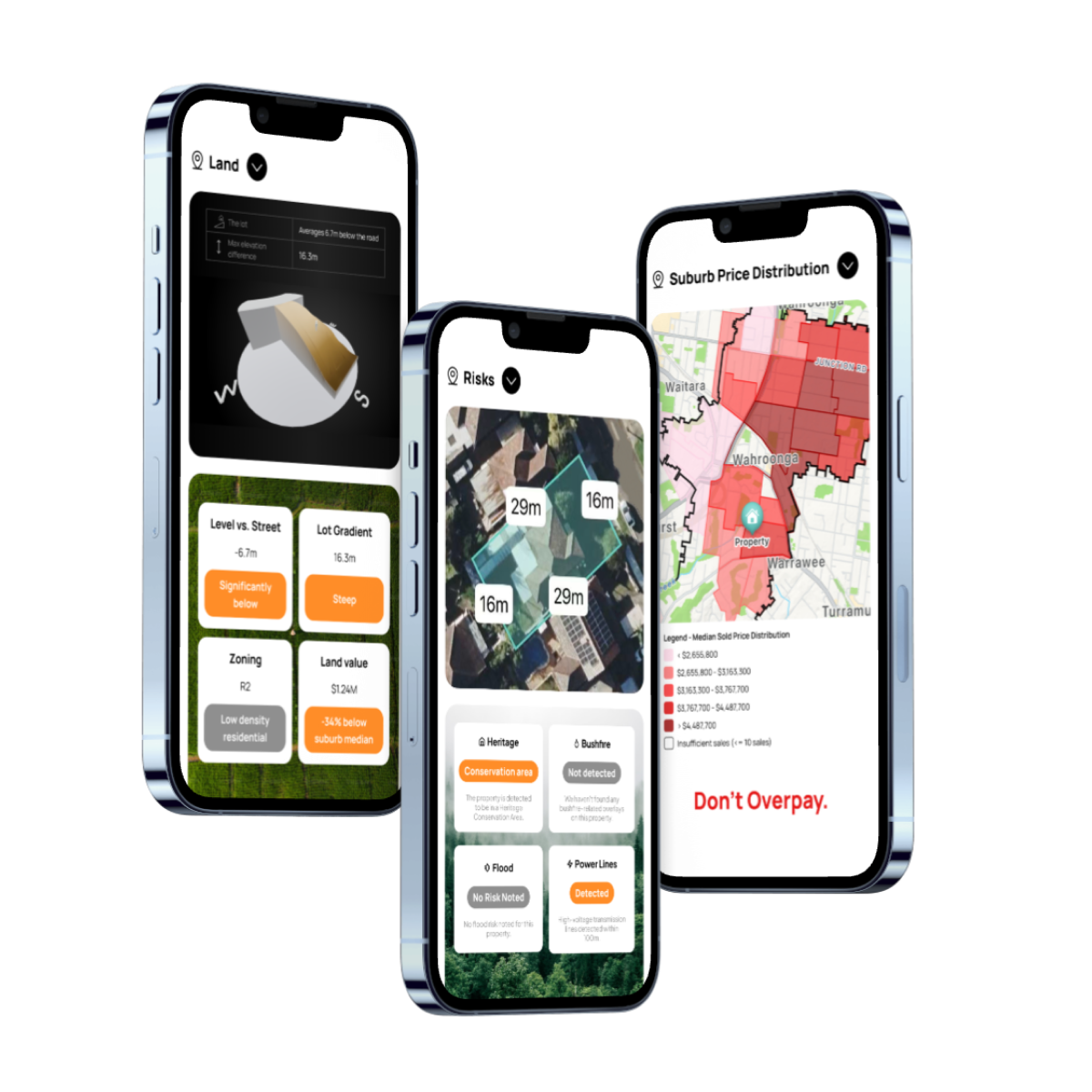
Buyer-focused property platform identifying risks, price estimates, 3D land maps and more to help you make smarter decisions — completely free.

Living in Hurlstone Park NSW 2193: Suburb Profile & FAQs
Common questions about living in and buying property in Hurlstone Park NSW 2193 — lifestyle, transport, schools, and the housing market.
Note: Data is sourced from the Australian Bureau of Statistics (ABS) 2021 Census data and knest.ai internal statistical data.
Is Hurlstone Park NSW 2193 a good suburb for families?
Hurlstone Park NSW 2193 is a solid rather than standout suburb for families. The numbers suggest a suburb with genuine family presence, not just a token one: children aged 0 to 4 make up about 5.2% of residents and those aged 5 to 14 are 10.5%, while the average household size sits at 2.6 people. Housing is also reasonably family-friendly by Inner Sydney standards, with separate houses making up 53% of dwellings, although apartments still account for 23%, so it is not purely a detached-house suburb. The strongest point here is schooling, with primary and secondary education ratings of 10 out of 5 and 8 out of 5 respectively, which supports Hurlstone Park’s appeal for buyers searching for a good suburb for families and schools. The trade-off is that safety sits at 3 out of 5, so while many families will find it workable and well located, it is not the kind of suburb buyers usually choose purely for a quiet, insulated family environment.
What is it like to live in Hurlstone Park NSW 2193?
Living in Hurlstone Park NSW 2193 feels established, practical and quietly urban, with a multicultural residential character rather than a prestige or resort-style one. It sits in the Canterbury–Bankstown region and reads as a suburb built around everyday convenience, with walkability at 4 out of 5 and retail and culture both at 3 out of 5. In day-to-day terms, that means you can do a fair bit locally and the suburb has enough activity to feel lived-in, without being one of Sydney’s major lifestyle hubs. Tree canopy cover is 20.05%, which gives some softness but not enough to call Hurlstone Park especially leafy, and its environmental setting is clearly urban and built-up rather than green or coastal. That balance will suit buyers who want a grounded Inner South-West lifestyle with some movement and convenience around them. The compromise is that if you want a village feel, stronger nightlife, or a noticeably greener streetscape, Hurlstone Park may feel more functional than atmospheric.
Is Hurlstone Park NSW 2193 well connected for commuting?
Hurlstone Park NSW 2193 is mixed for commuting right now, with good bus access but a transport network that is still in transition. Public transport to the Sydney CBD averages about 34 minutes and driving is around 25 minutes, which is quite workable for many buyers. Buses are a real strength here, rated as many, and that helps keep the suburb connected even while train service is currently listed as no because the former T3 corridor is closed for metro conversion. Importantly, Hurlstone Park does not yet have active metro service, but the M1 Southwest is planned under the current conversion and is expected to open in the second half of 2026. That means the suburb has improving transport links rather than fully realised rail convenience today. For commuters, the upside is decent CBD access and future upside in connectivity. The trade-off is obvious: until the metro is operating, many residents will rely more on buses, driving, or adjusted travel patterns than they would in a fully rail-serviced suburb.
Who does Hurlstone Park NSW 2193 suit best?
Hurlstone Park NSW 2193 suits buyers who want a balanced inner-south-west suburb with a mix of house stock, reasonable convenience and a stable middle-ring feel. The housing mix is a big clue: 53% separate houses and 23% apartments means it can work for both family buyers and some downsizers or couples who do not need a large block. The resident profile also points to a fairly established suburb, with a median age of 42, median weekly personal income of $762 and median family income of $2,051. Professionals are the largest occupation group at 32.1%, followed by clerical and administrative workers and managers, so Hurlstone Park tends to attract working households rather than purely student or investor-driven demand. With renters at 29.6%, it feels mixed but not overly transient. Buyers who want a family home within a relatively connected urban area may find it appealing. It may suit less well those chasing a prestige address, a heavily apartment-based lifestyle hub, or a very quiet low-density suburb.
What are the pros and cons of living in Hurlstone Park NSW 2193?
The main trade-off in Hurlstone Park NSW 2193 is that you get a practical, walkable urban suburb with future transport upside, but not the same polished lifestyle appeal or calm atmosphere as some more expensive family enclaves. On the plus side, Hurlstone Park offers solid walkability at 4 out of 5, many bus services, a balanced housing mix with more houses than apartments, and a multicultural local character that feels established and genuine. Commute times are also reasonable by Sydney standards, at about 34 minutes by public transport and 25 minutes by car to the CBD. For many buyers, that makes daily life fairly manageable. On the other hand, safety is a middle-ground 3 out of 5, retail and culture are moderate rather than standout at 3 out of 5 each, and the suburb is urban rather than leafy, with canopy cover of 20.05%. Buyers who care most about peace, greenery or a premium village atmosphere may notice those limits more than buyers focused on function and location.
What are property prices like in Hurlstone Park NSW 2193?
Property prices in Hurlstone Park NSW 2193 look expensive for houses and more mid-range for apartments by Sydney standards. Recent sales data shows a median house price of about $2.005 million from five house sales, with prices ranging from $1.75 million to $3.037 million. Apartments are more accessible, with a median price of $882,000 across 11 sales, and a range from $580,000 to $1.55 million. In practical buyer terms, that means buying property in Hurlstone Park can offer two different entry points: houses are likely to put pressure on family budgets, while apartments create a more reachable way into the suburb. The appeal is that you are buying into an established area with decent commuting convenience and a good underlying family market. The trade-off is that house buyers still need a substantial budget for the suburb, while apartment buyers may gain affordability but give up some of the space and land content that many family-focused purchasers want.
14 surrounding suburbs near Hurlstone Park NSW 2193
47 streets in Hurlstone Park NSW 2193