
knest.ai • Property intelligence for home buyers
Planning Certificates and the Section 32: What's on the Title
The Section 32 or section 10.7 certificate is the one document that tells you what officially affects a property, from easements to flood and heritage overlays. Here's what's in it, how the states differ, and what to check before you sign.
You've asked for the contract, and back comes a thick pack: a "Section 32", or a "section 10.7 certificate", full of zoning codes and overlay abbreviations. It looks like paperwork for the lawyers. It isn't. This is the single document that tells you what officially affects the property, from easements and covenants to flood and heritage overlays, and it's meant to be read before you sign.
Here's what these certificates are, what each one contains, how the rules differ by state (Queensland's changed in 2025), and what to look for. It's one part of your wider land and site-risk due diligence.
- A planning certificate (NSW section 10.7) or vendor's statement (VIC Section 32) is the document that discloses what officially affects a property: zoning, easements, covenants, overlays and constraints.
- In Victoria the Section 32 must be given before you sign; in NSW a section 10.7 is attached to the contract; and since 1 August 2025 Queensland sellers must give a disclosure statement too.
- Overlays are planning controls that flag features like flood, bushfire or heritage, and being in one can trigger a permit or limit what you build.
- It’s the one document that surfaces several site risks at once, so read it before you’re committed.
- Your conveyancer or solicitor reviews it; you use it to decide what else to verify.
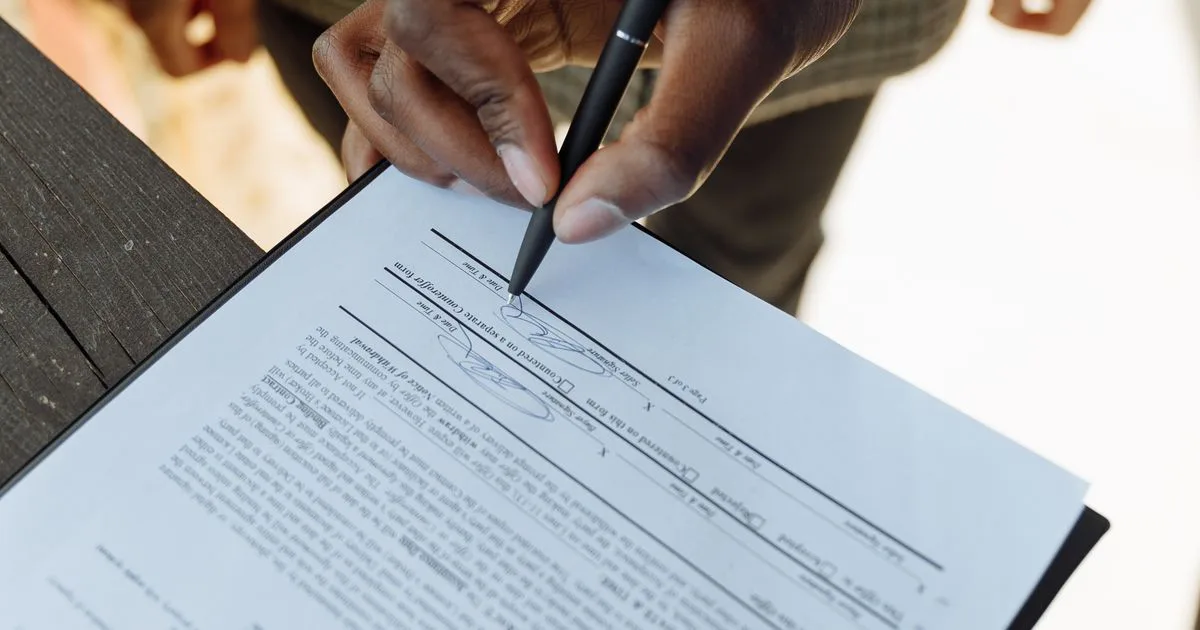
What is a planning certificate, and what is a Section 32?
It's the same disclosure document under different names, and what it's called depends on the state. In NSW it's a section 10.7 planning certificate; in Victoria it's the Section 32 vendor's statement; in Queensland, since August 2025, it's a seller disclosure statement. Whatever the name, the job is the same: to set out what officially affects the land, so you're not buying blind.
That's why it matters to a buyer, not just a lawyer. One document pulls together the zoning, the easements and covenants on the title, and the planning overlays that flag things like flood or heritage. Read together, they tell you what you can and can't do with the property, and which risks to check further.
| State | Document | When you get it |
|---|---|---|
| NSW | Section 10.7 planning certificate | Attached to the contract for sale |
| VIC | Section 32 vendor’s statement | Given before you sign the contract |
| QLD | Seller disclosure statement (Form 2) | Given before you sign (mandatory since 1 August 2025) |
| Other states | Varies (title search + prescribed searches) | Check the local rules with your conveyancer |
What's in a NSW section 10.7 certificate?
A section 10.7 certificate, issued by the local council under the Environmental Planning and Assessment Act 1979, shows a property's planning picture. In the NSW Planning Portal's words, it "shows the zoning of the property, its relevant state, regional and local planning controls and other property constraints such as land contamination, level of flooding and bushfire prone land". A current certificate is attached to the contract for sale in NSW.
There are two versions. A section 10.7(2) certificate carries the mandatory prescribed matters. A combined section 10.7(2) and (5) certificate adds more: it "includes advice from other authorities and certain information a Council holds on a property that is relevant to the land but is not disclosed in a Section 10.7(2) certificate". The (5) advice can be useful, but it's discretionary, so don't assume silence means "nothing there".
What's in a Victorian Section 32?
The Section 32 is the vendor's statement, and the seller must give it to you before you sign. Consumer Affairs Victoria explains the name: "the information it must contain is set out in section 32 of the Sale of Land Act 1962". It "contains information about the property's title, including: mortgages, covenants, easements, zoning, outgoings (for example, rates), declaration if located in a bushfire-prone area".
So a Section 32 is where you'll first see an easement or covenant on the title, the zoning, the rates, and whether the land is bushfire-prone. If something material is missing or wrong, it can affect your rights, so this is the document your conveyancer reads line by line.
What changed in Queensland?
Queensland used to be the "buyer beware" state, with no mandatory vendor statement. That's no longer true. Since 1 August 2025, under the Property Law Act 2023, a Queensland seller "must give the completed disclosure statement and prescribed certificates to the buyer before the buyer signs the contract" (Queensland Government). The new scheme is a mandatory seller disclosure statement, known as the Form 2.
For a buyer, it means Queensland now works more like the southern states: you should receive the disclosure statement and its certificates before you commit, not chase them yourself afterwards. If you're reading older guides that say Queensland has no vendor statement, they're out of date. Other states and territories differ again, so confirm the local rules with your conveyancer.
What are overlays, and which ones matter?
An overlay is a planning control that sits on top of the zoning and flags a special feature or constraint on the land. As one council puts it, "an overlay is a planning control that allows us to regulate the types of development" on affected land, and being within one can mean you "need a planning permit to develop or subdivide your property". In other words, an overlay can quietly limit what you build.
The ones buyers meet most:
| Overlay | What it flags | What it can trigger |
|---|---|---|
| Flood / inundation | Land that may flood | A permit and minimum floor levels — see buying in a flood-prone area |
| Bushfire | Bushfire-prone land | A permit and construction standards (a BAL assessment) |
| Heritage | Heritage significance | A permit for external changes, and often for demolition |
| Vegetation / environmental | Protected trees or habitat | A permit to remove vegetation or build near it |
A heritage overlay is a good example of how two-sided this is. It can protect the character (and value) of a streetscape, but as one council states, "if there is a Heritage Overlay (HO) on the property, you must get a planning permit for all external changes". Whether that's a plus or a problem depends on what you plan to do.
How do I get a certificate, and what should I check?
Usually your conveyancer or solicitor orders it as part of the contract review. In NSW a section 10.7 is ordered from the council, increasingly through the NSW Planning Portal's online service; in Victoria the certificates are ordered through the state's LANDATA service. There's a modest per-certificate fee, and it's routine work for a conveyancer.
What you're looking for as a buyer: the zoning (does it allow what you want?), any easements or covenants, and every overlay, especially the pages people skim past. In the buyer prep we see at knest.ai, the surprises rarely hide in the zoning line; they hide in the overlay pages, where a heritage or flood control changes what the property can become. Read them before you're committed, and have your conveyancer confirm anything that affects your plans.
Frequently asked questions
What is a Section 32 statement?
In Victoria, it's the vendor's statement the seller must give you before you sign. Its contents are set by section 32 of the Sale of Land Act 1962 and include the title, mortgages, covenants, easements, zoning, outgoings, and whether the land is bushfire-prone.
What's in a NSW section 10.7 planning certificate?
It shows the property's zoning, the planning controls that apply, and constraints such as flooding, bushfire-prone land and contamination. A 10.7(2) certificate carries the prescribed matters; a 10.7(2) and (5) adds further advice the council holds. It's attached to the contract.
Does Queensland have a vendor disclosure statement?
Yes, now it does. Since 1 August 2025, under the Property Law Act 2023, Queensland sellers must give the buyer a completed seller disclosure statement (Form 2) and prescribed certificates before the buyer signs. Older guides saying QLD is “buyer beware” are out of date.
What is a planning overlay?
An overlay is a planning control that flags a feature or constraint on the land, such as flood, bushfire, heritage or vegetation. It sits on top of the zoning, and being within one can trigger a planning permit or limit what you can build.
How do I get a planning certificate?
Your conveyancer usually orders it during the contract review: from the council (NSW section 10.7, increasingly via the NSW Planning Portal) or the state service (Victoria's LANDATA). There's a modest per-certificate fee.
Before you sign
The certificate pack looks like lawyers' paperwork, but it's really the property's honesty report: zoning, easements, covenants and overlays in one place. Read it like a buyer, not a filing clerk:
- Know which document applies where you're buying, and when you should get it.
- Read the overlay pages, not just the zoning line.
- Treat an easement, covenant or overlay as a fact about the land, and check what it does to your plans.
- Have your conveyancer or solicitor review it, and verify anything material before you commit.
It's one of the checks that make up your wider land and site-risk due diligence. knest.ai helps you make sense of what the certificate flags and prepare the right questions; your conveyancer confirms the answers.
Sources
- Queensland Government, Seller disclosure scheme, retrieved 2026-07-29, https://www.qld.gov.au/law/housing-and-neighbours/buying-and-selling-a-property/seller-disclosure-scheme
- NSW Department of Planning, Online Section 10.7 Planning Certificate Service (NSW Planning Portal), retrieved 2026-07-29, https://www.planningportal.nsw.gov.au/development-and-assessment/post-consent-certificates/online-section-107-planning-certificate-service
- Conveyancing (Sale of Land) Regulation 2022 (NSW), retrieved 2026-07-29, https://legislation.nsw.gov.au/view/whole/html/inforce/current/sl-2022-0485
- Consumer Affairs Victoria, Conveyancing and contracts for sellers, retrieved 2026-07-29, https://www.consumer.vic.gov.au/housing/buying-and-selling-property/selling-property/conveyancing-and-contracts-for-sellers
- Alpine Shire Council, Planning Overlays, retrieved 2026-07-29, https://www.alpineshire.vic.gov.au/building-business/planning-services/planning-overlays
- Country Fire Authority, Planning and Bushfire Management Overlay, retrieved 2026-07-29, https://www.cfa.vic.gov.au/plan-prepare/building-planning-regulations/planning-controls/planning-and-bushfire-management-overlay
- Land Victoria, Property information certificates (LANDATA), retrieved 2026-07-29, https://www.land.vic.gov.au/land-registration/for-individuals/property-and-land-titles-information/property-information-certificates
Daniel Ryan, Editor, Buyer Guides & Property, knest.ai
General information only. This article is general information for Australian home buyers, not personal legal, property or financial advice. Disclosure documents, certificates and planning rules vary by state and are changing (for example, Queensland's seller disclosure scheme from 1 August 2025). Verify anything that affects your decision with your conveyancer or solicitor and the relevant council or state authority.
Recommended for you

How to Research a Property Before Buying in NSW: The 12 Checks

Do You Need a Conveyancer to Buy a House? (And Can You DIY?)

Conveyancing Fees in Australia: What a Conveyancer Costs

Buying on a Sloping Block: Costs, Retaining and What to Check

Conveyancer vs Solicitor in Australia: Which Do You Need?

What a Conveyancer Does in Australia: A Buyer’s Guide