
knest.ai • Property intelligence for home buyers
North vs South vs East vs West: Which House Aspect Is Best?
In most of southern Australia, north-facing living areas win, then east, then west, with south the coolest. But it's about trade-offs. Here's the side-by-side.
If you're weighing two homes that face different ways, here's the short version: in most of southern Australia, north-facing living areas are the best all-round choice, then east, then west, with south the coolest. But that's a ranking of trade-offs, not a scorecard. The best aspect depends on your climate and which rooms face where. Here's how the four directions compare, and how to pick for the home in front of you.
- For living areas in southern Australia, the rough order is north, then east, then west, then south — but each is a set of trade-offs, not a grade.
- North is the all-rounder: warm winter sun, easy summer shading. A 7-star shell uses about 20–25% less heating and cooling energy than a 6-star one (Sustainability Victoria, 2024).
- East gives pleasant morning sun; west brings strong afternoon heat that's hard to shade; south is cooler and shadier, but not “bad.”
- What matters is the aspect of the living areas and backyard, not the front door.
- The best aspect depends on your climate zone. In the tropical north, breezes and shade beat chasing sun.
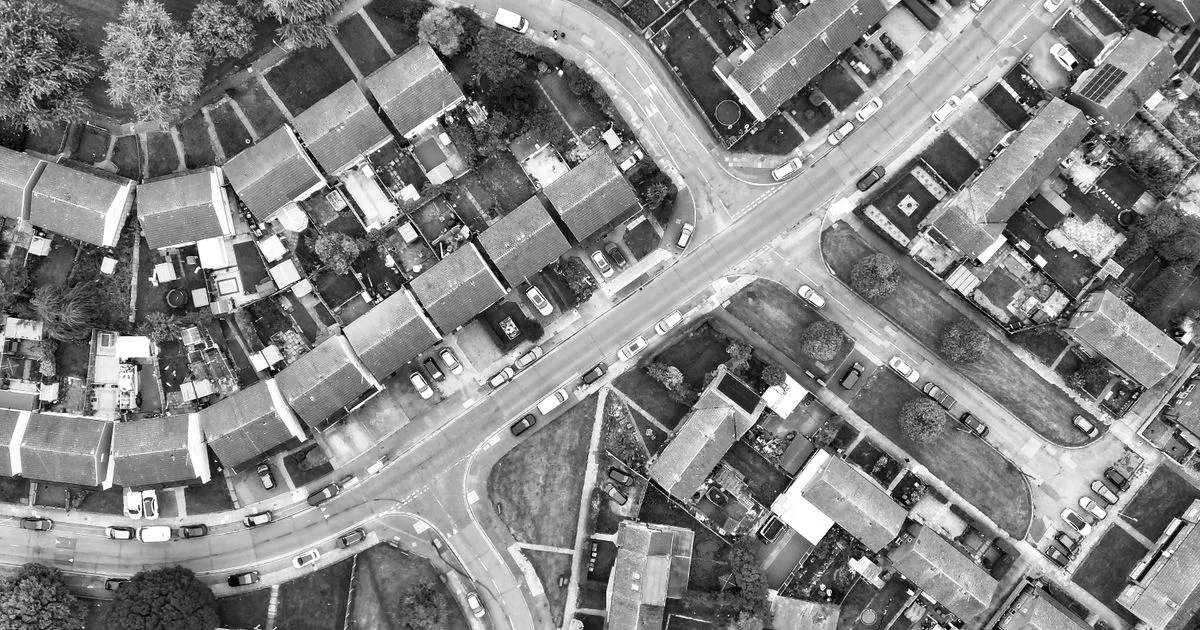
Which house aspect is best?
The short answer: north, for the rooms you live in, in the cooler and temperate south. North-facing living areas get the most winter sun and are the easiest to shade in summer, which makes them brighter, warmer in winter and cheaper to run (YourHome, Australian Government). East and west are situational, and south is the coolest. Here's the side-by-side.
| Aspect | Winter sun | Summer heat | Easy to shade? | Best for |
|---|---|---|---|---|
| North | Long and low, welcome | High sun, easy to block | Yes, with eaves | Living areas and outdoor space |
| East | Morning only | Gentle morning warmth | Partly | Kitchens, breakfast rooms, early risers |
| West | Low afternoon sun | Strong, hard to block | Hard (sun sits low) | Rooms used in the morning, not the evening |
| South | Little direct sun | Cooler, shaded | Not needed | Bedrooms; warmer climates |
| NE / NW | NE morning · NW afternoon | NE milder · NW hot | NE easier | NE all-round; NW needs shading |
The rest of this guide walks each direction in turn, then shows how to choose for your home.
North: the all-rounder
North is the aspect to want for living areas. Because the winter sun sits low in the north and the summer sun rides high overhead, a north room gets warmth in winter and is easily shaded by a normal eave in summer. That's the mix that makes it the default "good" aspect in southern Australia, as long as the living areas (not just the front) face that way. For the full verdict, see is a north-facing house good?
East: morning sun
East-facing rooms catch gentle morning sun and stay cooler in the afternoon. That suits kitchens, breakfast areas and early risers, and it avoids the harsh afternoon heat that troubles west-facing rooms. The trade-off is limited warmth later in the day, so an east-facing main living room can feel cool by evening. More in is an east-facing house good?
West: the afternoon-heat trade-off
West-facing rooms catch strong, low summer sun, and because it comes in low an eave can't block it the way it blocks high north sun, so those rooms can overheat and cost more to cool. It's the one aspect to check carefully. In cooler southern zones a little winter afternoon warmth is a small upside, but west glass needs proper shading. More in is a west-facing house good?
South: cooler, but not bad
South-facing rooms get little direct sun and stay cooler, with soft, even light. In a cold climate that's a downside for living areas; in a warm one it can be a genuine plus, and it suits bedrooms anywhere. A south-facing home isn't a mistake, it's a different set of trade-offs that good design can manage. More in is a south-facing house really bad?
The diagonals: north-east and north-west
Most homes don't face a compass point exactly. North-east catches morning sun and holds warmth well, which makes it a favourite and often as good as due north. North-west leans into the hot afternoon sun, so it shares west's shading challenge. We compare the two in north-east vs north-west facing.
How do you choose the best aspect for your home?
Rank the directions if you like, but choose on three things: the living-area aspect, your climate, and everything else about the home.
- Check the living areas, not the front. Confirm which way the kitchen, family room and backyard face. A north front with a south living area isn't a north-facing win.
- Factor your climate zone. North wins in the cool and temperate south. In the tropical north, cooling breezes and shade matter more than chasing sun (YourHome, design for climate); see why “north is best” is a myth.
- Weigh aspect against the rest. Price, land, location and layout usually matter more than a few degrees of orientation.
The physics behind the ranking is simple: the winter sun sits low and the summer sun high, so north and east catch useful winter sun while west takes the harsh low afternoon sun and south stays shaded.
Why north and east beat west and south: the winter sun sits low, the summer sun high.
For the whole topic in one place, see our guide to house orientation, and if you're unsure what "facing" even measures, start with what a north-facing house means.
Frequently asked questions
Which house aspect is best in Australia?
In the south, north-facing living areas are the best all-round choice: warm winter sun and easy summer shade. East suits mornings, west risks afternoon heat, and south is cooler. In the tropical north, breezes matter more than aspect.
Is north or south-facing better?
For living areas in southern Australia, north, because it gets more winter sun and is easier to shade. South isn't bad; it's cooler and shadier, which can suit warm climates or bedrooms.
Is east or west-facing better?
East, for most people, with gentle morning sun and cooler afternoons. West catches strong, low afternoon sun that's hard to shade and can overheat rooms.
Does the best aspect change by climate?
Yes. North wins in the cool and temperate south. In the tropical north, orientation is about cooling breezes and shade, not chasing sun.
Sources
- YourHome (Australian Government), Orientation, retrieved 2026-07-03, https://www.yourhome.gov.au/passive-design/orientation
- YourHome (Australian Government), Design for climate, retrieved 2026-07-03, https://www.yourhome.gov.au/passive-design/design-climate
- Sustainability Victoria, Seeing 7-stars: new home energy efficiency standards explained, 2024, retrieved 2026-07-03, https://www.sustainability.vic.gov.au/energy-efficiency-and-reducing-emissions/building-or-renovating/7-star-homes-program/seeing-7-stars-new-home-energy-efficiency-standards-explained
- Certified Energy, Eaves and thermal comfort, retrieved 2026-07-03, https://www.certifiedenergy.com.au/blog/eaves-thermal-comfort-building-australian-climate
Daniel Ryan, Editor, knest.ai
General information only. This article is general information for Australian home buyers, not personal financial, legal or property advice, and not a valuation. Verify a home's orientation and how it performs with the relevant licensed professional, such as a building and pest inspector or an accredited energy assessor. knest.ai is a buyer-side property-intelligence platform that supports your decisions; it doesn't replace these professionals.
Recommended for you
Does House Orientation Affect Property Value? The Evidence

How to Check a Home's Orientation Before You Buy
Is an East-Facing House Good? The Morning-Sun Trade-off
Is a South-Facing House Really Bad in Australia?
Is a West-Facing House Good? Managing the Afternoon Heat
North-East vs North-West Facing: Which Is Better?