
knest.ai • Property intelligence for home buyers
What Does a North-Facing House Actually Mean?
A north-facing home is one where the main living areas and backyard face north. A listing will sometimes use the term more loosely, for just the front, so it pays to know which you're getting.
The version that matters to you is straightforward: a north-facing home is one where the main living areas and backyard face north, so the spaces you use catch the sun. A listing will sometimes use "north-facing" more loosely, for the way the front faces the street, and the two don't always line up. That gap trips up a lot of buyers, because a home with a north front can still have its living areas and backyard in shade. This guide explains what north-facing really means for comfort, why the front and the back can face opposite ways, and how to tell a home's real aspect in a couple of minutes.
- A “north-facing house” means the main living areas and backyard face roughly north, so the spaces you use catch the sun. Some listings use the term more loosely, for just the front.
- What actually governs warmth and light is the aspect of your living areas and backyard, which can face a different direction from the front.
- In southern Australia, the ideal for living-area windows is within about 15° west to 20° east of true north (YourHome, Australian Government).
- “Aspect” is the way one room or space faces; “orientation” is how the whole building is turned. As a buyer, care most about the aspect of the rooms you'll use.
- Sun follows true north, not the magnetic north your phone shows by default. Set your compass app to true north.
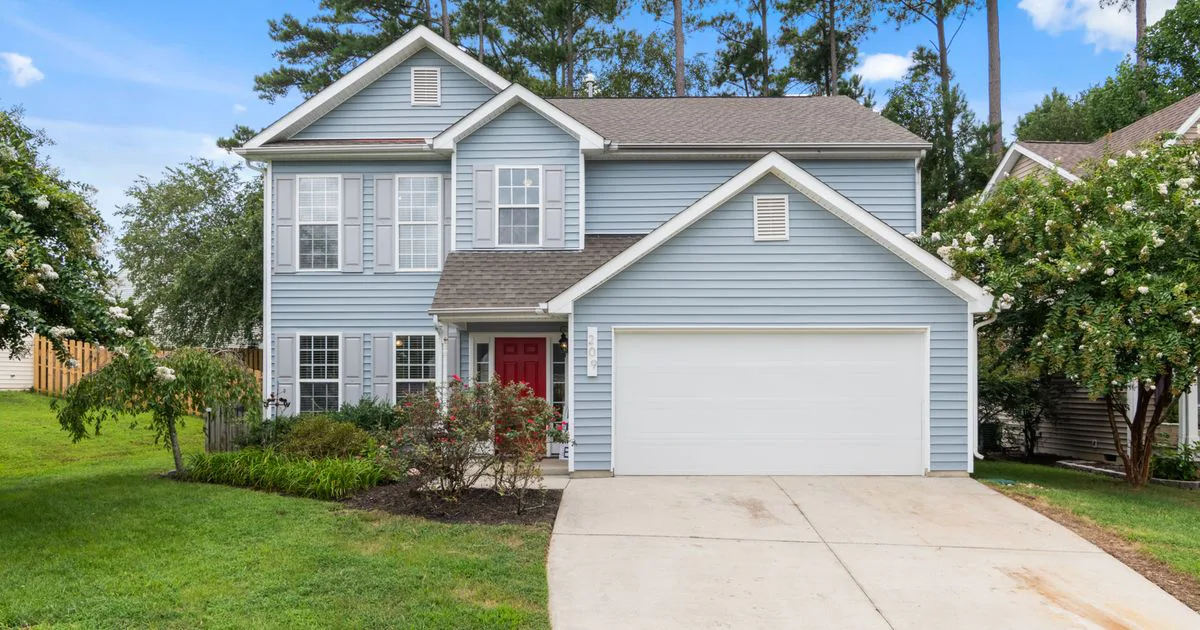
What does "north-facing" actually mean?
A north-facing house is one whose main living areas and backyard face roughly north — the living room, the main windows and the outdoor space you use, turned toward the sun. That's the version worth caring about, because it's what makes a home warm and bright where you actually spend time. A listing will sometimes use "north-facing" more loosely, for the way the front (the side facing the street) is turned. The two often don't line up, so it's worth knowing which one a listing means.
That matters because the label is easy to over-read. "North-facing" sounds like a selling point, so it gets used as one, and when it refers only to the front it tells you little about where the sun lands in the rooms you use. Whether you feel the benefit comes down to the aspect of the living areas and backyard. For the bigger picture of how aspect shapes comfort, value and running costs, see our full guide to house orientation.
Front or back: which part of the house does it describe?
For comfort, the part that counts is the living areas and backyard. But a listing's "north-facing" could be based on the front, and that's exactly where buyers get caught, because the front and the living areas can face opposite ways.
Picture two homes on the same street. Home A faces north at the front, with its living room and courtyard tucked at the rear, facing south into the shade. Home B faces south at the front, but its open-plan living and backyard open to the north and the sun. On paper, Home A is the "north-facing" one. In practice, Home B is the warmer, brighter place to live.
So the useful question isn't "which way does the house face?" It's "which way do the living areas and outdoor space face?" A north-facing front with a south-facing yard is common, and it's usually the weaker outcome. We compare the two directly in north-facing backyard vs front.
A north-facing front can still leave the living areas and backyard in shade.
Why do so many homes have a north front but a shaded backyard?
It's not bad luck; it's how blocks and floor plans are usually laid out. The street decides which way your front faces, and plenty of Australian streets simply run in directions that put the frontage to the north. From there, standard design does the rest.
Most homes lead with the garage, the entry and a bedroom or two at the front, then open the kitchen, family room and outdoor area to the rear. So when the front faces north, the living zones and backyard often end up at the back, facing south. On a north-to-south block, that can leave the sunniest aspect sitting over the driveway and the bedrooms, while the spaces you use most sit in shade.
That's why two homes on the same street can live so differently, and why a “north-facing” tag is no guarantee of a warm living room. The good news: it's quick to check. A floor plan and a compass tell you in seconds whether the north aspect lands on the living areas or the garage roof, which is exactly what the rest of this guide helps you do.
Aspect vs orientation: are they the same thing?
Not quite, and the difference is worth knowing. Orientation is how the whole building is turned on its block. Aspect is the direction a particular room, window or outdoor space faces. A single house has one orientation but many aspects: a north aspect in the kitchen, a west aspect in a bedroom, a south aspect across the yard.
For a buyer, aspect is the one that decides how a home feels day to day. A north orientation is only good news if it gives your living areas a north aspect. When you read a listing, translate "north-facing" into the question that counts: what's the aspect of the spaces I'll actually use?
True north vs magnetic north (why your compass can mislead)
Here's a small trap worth avoiding. The sun's path follows true north (also called solar or geographic north), not the magnetic north your phone's compass shows by default. In Australia the two differ by a few degrees, enough to matter when you're judging a fine aspect.
It matters because the sweet spot is fairly specific: YourHome puts the ideal for living-area glass at roughly 15° west to 20° east of true north (YourHome, Australian Government). Within that band, rooms capture good winter sun without much summer penalty. So when you check a home's aspect, switch your compass app to true north first, or note that a magnetic reading will be slightly off.
How do you tell which way a house faces?
You can settle it in about two minutes. Three quick checks:
- Read the floor plan's north arrow. Most floor plans and the contract of sale include one. Line it up against where the living areas and backyard sit.
- Use a phone compass. Stand with your back to the main living-area or backyard wall and see which way you're facing. Set it to true north.
- Visit at two times of day. A morning-only inspection hides the afternoon story, and the reverse. Seeing the light morning and late afternoon tells you more than any label.
That's the short version. For a proper inspection method, including what shading to look for, see how to check a home's orientation before you buy. And once you know a home's aspect, the next question is whether it's the one you want, which we answer in is a north-facing house good?
Frequently asked questions
Does “north-facing” mean the front or the back of the house?
For comfort it's the living areas and backyard that count, and ideally they face north. A listing sometimes uses “north-facing” more loosely, for just the front, and the two can point opposite ways, so always check the aspect of the spaces you'll actually use.
What's the difference between aspect and orientation?
Orientation is which way the whole building is turned. Aspect is the direction one room or outdoor space faces. For comfort, the aspect of your living areas matters most.
How do I know if a house is north-facing?
Check the floor plan's north arrow, point a phone compass (set to true north) off the rear or living-area wall, and visit at two different times of day to see where the sun falls.
Is north-facing measured by true north or magnetic north?
Sun behaviour follows true (solar) north. A phone compass shows magnetic north by default, which is a few degrees off in Australia, so switch it to true north.
Is a north-facing house good?
Usually, in southern Australia, but only if the living areas face north, not just the front door. The full answer is in our guide to whether a north-facing house is good.
Sources
- YourHome (Australian Government), Orientation, retrieved 2026-07-03, https://www.yourhome.gov.au/passive-design/orientation
Daniel Ryan, Editor, knest.ai
General information only. This article is general information for Australian home buyers, not personal financial, legal or property advice, and not a valuation. To confirm a home's orientation and how it performs, verify with the relevant licensed professional, such as a building and pest inspector or an accredited energy assessor. knest.ai is a buyer-side property-intelligence platform that supports your decisions; it doesn't replace these professionals.
Recommended for you
Does House Orientation Affect Property Value? The Evidence

How to Check a Home's Orientation Before You Buy
Is an East-Facing House Good? The Morning-Sun Trade-off
Is a South-Facing House Really Bad in Australia?
Is a West-Facing House Good? Managing the Afternoon Heat
North-East vs North-West Facing: Which Is Better?