
Bexley NSW 2207
Bexley, NSW 2207 is an established multicultural suburb in Sydney’s St George region, governed by Bayside Council. It is predominantly a separate-house area, with apartments also present, and is known for an urban, built-up character with many bus services, nearby T4 and T8 rail access, and about 35 minutes to the Sydney CBD by public transport. Tree canopy cover is 15.59%, safety is rated 4/5, and school ratings are strong. Household income appears generally average. Bexley is served by major centres including Westfield Hurstville and Rockdale Plaza. Aircraft noise can be noticeable at times given its broader airport-affected corridor.
The mix of houses and apartments that make up the Bexley NSW 2207 property market, and the sale price range each achieved over the past 12 months.
How close Bexley NSW 2207 properties sit to major roads or rail, and how much traffic noise that brings compared to properties set back from them.
Train, metro, light rail, ferry and B-Line services accessible from Bexley NSW 2207.
"Houses" in this report includes detached houses, duplexes, and terraces.
How house lots across Bexley NSW 2207 sit relative to street level — topography that affects drainage, flood risk, privacy, and build cost.
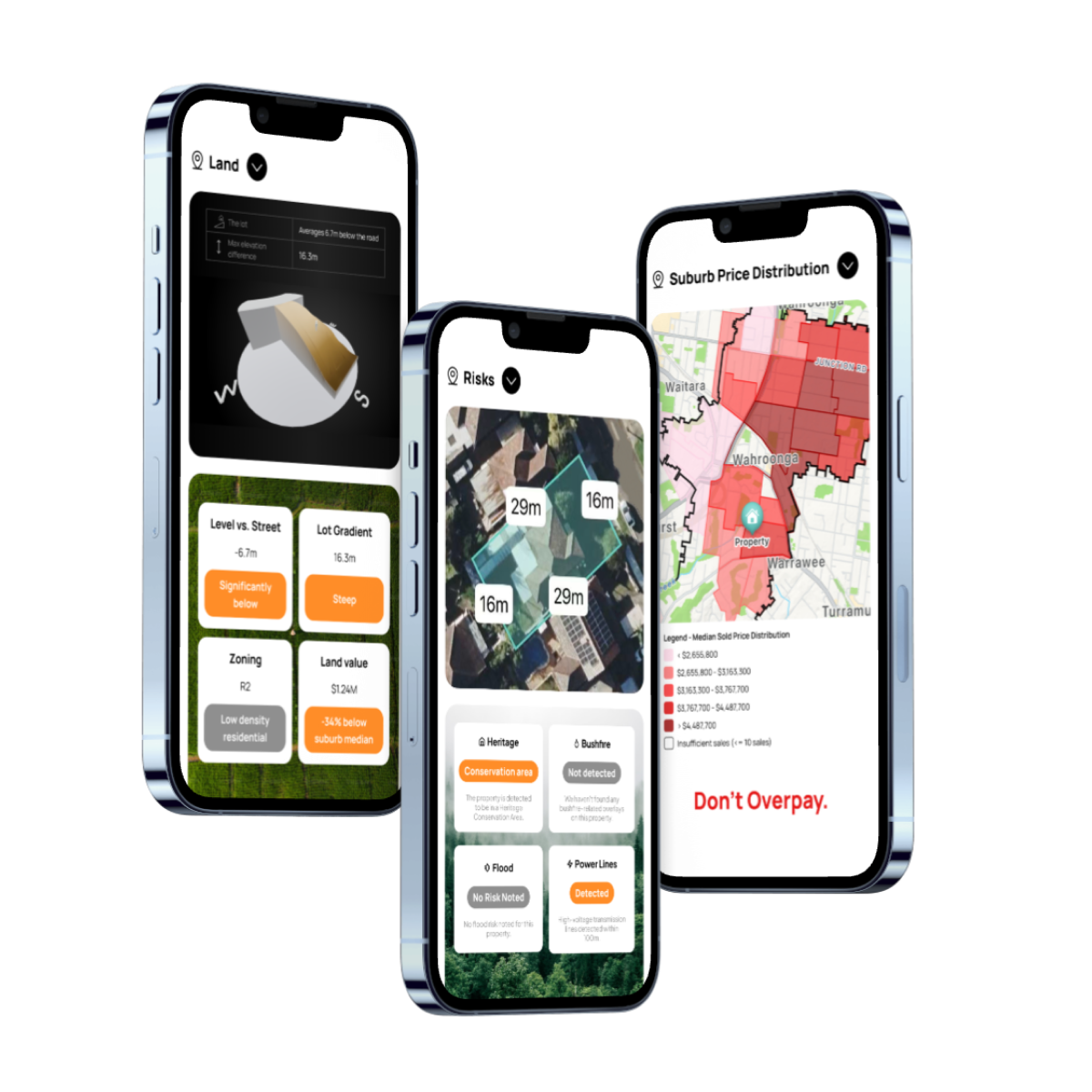
See which key planning overlays and environmental risks affect this suburb before you buy.
The share of Bexley NSW 2207 houses within easy walking distance (1.2km) of a train station.
The 20-year trend in median house sale prices across Bexley NSW 2207, tracked separately from apartments.
Typical land characteristics and common property features across Bexley NSW 2207.
How property prices vary across the different pockets of Bexley NSW 2207, and how each pocket compares.
The top 3 highest house sales in Bexley NSW 2207 over the past 24 months.


245 popular houses in Bexley NSW 2207
The 20-year trend in median apartment sale prices across Bexley NSW 2207, tracked separately from houses.
Where apartment projects are concentrated across Bexley NSW 2207, with project-level sales context.
The median weekly rent for apartments in Bexley NSW 2207.
The largest apartment projects in Bexley NSW 2207, ranked by number of lots.
131 popular apartments in Bexley NSW 2207
Median age, household income, and the renter-versus-owner split that shape the Bexley NSW 2207 community.
Get the knest.ai app
Gain ultimate insights into any property
Buyer-focused property platform identifying risks, price estimates, 3D land maps and more to help you make smarter decisions — completely free.

Living in Bexley NSW 2207: Suburb Profile & FAQs
Common questions about living in and buying property in Bexley NSW 2207 — lifestyle, transport, schools, and the housing market.
Note: Data is sourced from the Australian Bureau of Statistics (ABS) 2021 Census data and knest.ai internal statistical data.
Is Bexley NSW 2207 a good suburb for families?
Bexley NSW 2207 is a solid suburb for families rather than a standout one. The family case is helped by very strong school ratings, with primary at 8 out of 5 and secondary at 10 out of 5 in the available scale, plus a safety rating of 4 out of 5, which gives buyers a fairly reassuring base for day-to-day living. Children are also a meaningful part of the local population, with about 6.5% aged 0 to 4 and 11.6% aged 5 to 14, while the average household size of 2.9 suggests Bexley is used to family households rather than just singles or short-stay renters. Housing also supports family demand, with separate houses making up 59% of homes. The trade-off is that Bexley is still a fairly urban suburb, not a deeply quiet low-density pocket. Apartments account for 22% of homes, and buyers wanting a very leafy or prestige school-belt feel may find it more practical than aspirational. For families who want schools, solid safety and access without paying top-tier eastern or north shore prices, Bexley is worth serious consideration.
What is it like to live in Bexley NSW 2207?
Living in Bexley NSW 2207 feels established, practical and multicultural, with a more everyday urban lifestyle than a polished village atmosphere. Bexley sits in the St George region and comes across as a suburb built around convenience and settled residential life rather than trend-driven buzz. Walkability is 4 out of 5, which means many local errands and short outings are manageable without constantly getting in the car, while retail and culture both sit at 3 out of 5, pointing to a serviceable local scene rather than a major lifestyle destination. Safety at 4 out of 5 also helps Bexley feel broadly comfortable for owner-occupiers. The trade-off is that Bexley is not especially green or coastal in feel. With urban built-up surroundings, 15.59% canopy cover and no beach access, the suburb lifestyle leans more functional than scenic. That will suit buyers who value day-to-day ease and a grounded neighbourhood feel, but less so those chasing a leafy sanctuary or a highly walk-everywhere café lifestyle.
Is Bexley NSW 2207 well connected for commuting?
Bexley NSW 2207 is reasonably well connected for commuting, especially for buyers who are comfortable using nearby train links and strong bus coverage. The suburb itself has nearby access to the T4 and T8 rail lines rather than its own direct station positioning, and bus service is rated as many, which is important for getting to stations and surrounding centres. Average travel time to the Sydney CBD is about 35 minutes by public transport and 20 minutes by car, so Bexley works quite well for commuters who want a middle-ground option between city access and more affordable family housing. That makes it a practical choice for many St George buyers. The trade-off is that the transport picture is not fully seamless. There is no metro, no light rail and no ferry option, so Bexley is not one of Sydney’s most multi-modal suburbs. If you want to walk straight to a station or prefer a suburb with more transport redundancy, that may matter. Still, for buyers comfortable with buses, nearby trains and driving, Bexley remains a usable commuter base.
Who does Bexley NSW 2207 suit best?
Bexley NSW 2207 suits best buyers who want a balanced suburban base with a house-led market, decent commuting access and a practical family-oriented lifestyle. With 59% separate houses and 22% apartments, Bexley makes more sense for buyers who still want some land and a traditional suburban setup than for those focused purely on dense apartment living. The resident profile also points to a stable, working professional mix: professionals are the largest occupation group at 21.5%, managers and professionals together make up 32.6%, and the median family income of $1,739 a week suggests a middle-income to upper-middle-income buyer pool rather than a prestige-only market. The median age of 39 also supports that settled family-homeowner feel. The trade-off is that Bexley may suit some buyer groups less well. If you want a highly affluent prestige market, a younger inner-city scene, or a deeply lifestyle-led beach suburb, Bexley may feel more practical than aspirational. It is strongest for families, upgraders and value-conscious professionals who want usable Sydney access without stepping into premium blue-chip pricing.
What are the pros and cons of living in Bexley NSW 2207?
The main trade-off in Bexley NSW 2207 is that you get a practical, well-rounded suburb with solid everyday convenience, but not the strongest premium lifestyle feel. On the plus side, Bexley offers good walkability at 4 out of 5, solid safety at 4 out of 5, many bus services and nearby access to major train lines, which makes day-to-day living easier than in many outer suburbs. The housing mix also helps, with a clear majority of separate houses, so buyers looking for family-sized homes still have a meaningful share of stock to work with. For many households, that combination of schools, access and housing choice is exactly the appeal. What you give up is a more scenic or high-amenity environment. Bexley is urban and built-up, canopy cover is only 15.59%, retail and culture are both mid-range at 3 out of 5, and there is no beach or ferry lifestyle element. Buyers who care most about greenery, a standout dining scene or a prestige coastal feel will notice that. Buyers focused on function, schools and sensible access may see that as a fair compromise.
What are property prices like in Bexley NSW 2207?
Property prices in Bexley NSW 2207 sit in the expensive bracket for many Sydney buyers, although they are not at the very top end of the city’s prestige markets. In the past six months, the median house price was about $1.9 million from 28 sales, while the median apartment price was about $875,000 from 34 sales. That creates a clear split in Bexley: houses are a serious financial step-up and will stretch many family budgets, while apartments offer a much lower entry point for buyers who want to get into the suburb without taking on house-level debt. The house market also showed a broad spread, which suggests buyers need to compare land, condition and position carefully rather than relying on suburb-wide averages alone. The trade-off is straightforward. Buying a house in Bexley usually means paying more for family space and a house-led suburb in St George, while buying an apartment improves affordability but means compromising on land and long-term flexibility. For many buyers, Bexley works best when budget and housing type are matched realistically from the start.
21 surrounding suburbs near Bexley NSW 2207
110 streets in Bexley NSW 2207