
knest.ai • Property intelligence for home buyers
North-East vs North-West Facing: Which Is Better?
Most homes face a diagonal. North-east catches gentle morning sun and stays cool; north-west shares west's afternoon heat. Here's how the two compare, and which to pick.
Most homes don't face a compass point exactly. They face a diagonal, and north-east and north-west are the two you'll meet most. They sound similar but live very differently: north-east catches gentle morning sun and is easy to keep cool, while north-west leans into hot afternoon sun and behaves a lot like west. If you're choosing, north-east is usually the safer pick. Here's how the two compare, and how to judge each.
- Most homes face a diagonal; north-east and north-west are the common ones, and they behave very differently.
- North-east is often nearly as good as due north: morning sun, early warmth, and high summer sun that's easy to shade.
- North-west adds strong, low afternoon sun and shares west's overheating, so it needs good shading for living areas.
- For living areas, north-east is the safer pick; north-west is fine for morning-use rooms or with proper shading.
- What matters is which rooms face the aspect and how they're shaded, not the label.
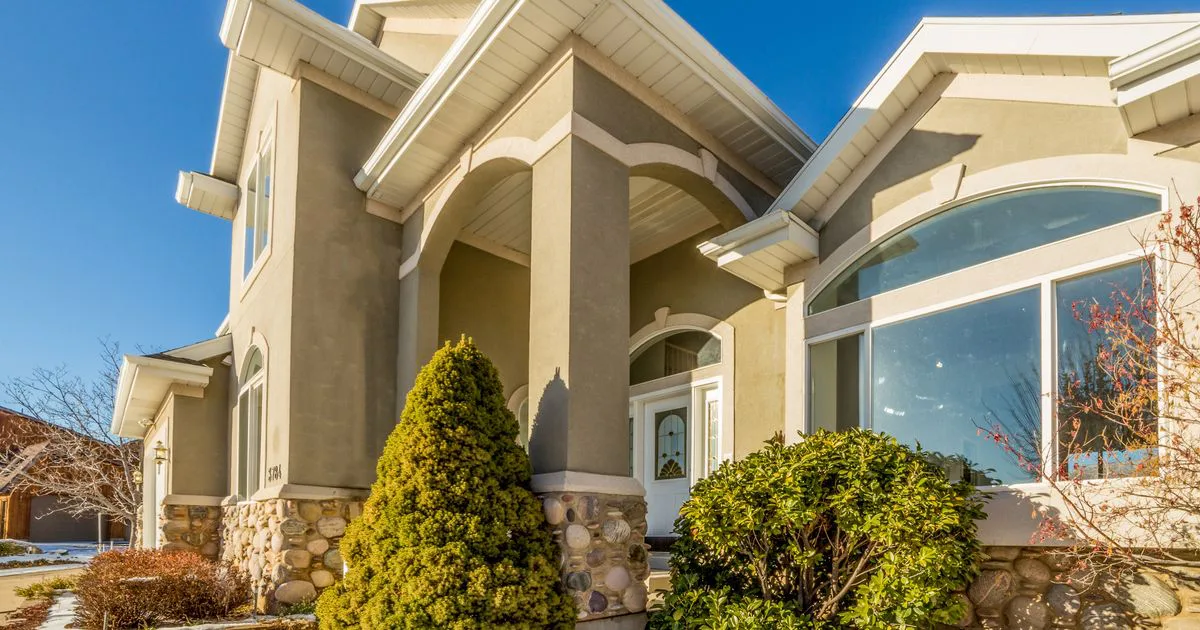
North-east vs north-west: which is better?
For living areas, north-east. It gets useful morning sun, warms up early in the day and, because the sun is high by the time it swings round, it's easy to shade in summer, much like due north. North-west also gets good north light, but it takes the hot, low afternoon sun as well, which is harder to shade and can overheat rooms. Both are common and both are workable, but NE is the lower-risk choice. Here's the side-by-side.
| Aspect | Morning sun | Afternoon sun | Summer heat | Easy to shade? | Best for |
|---|---|---|---|---|---|
| North-east | Yes, early warmth | Little | Moderate, sun is high | Yes, like north | Living areas, bedrooms, kitchens |
| North-west | Little | Yes, strong and low | High, hard to block | Harder (low west sun) | Morning rooms, or living areas with good shading |
For how the diagonals sit against the four cardinal aspects, see north vs south vs east vs west.
Is a north-east facing house good?
Yes, and often nearly as good as due north. A north-east aspect blends the two best directions: the morning sun of an east aspect with the warmth and easy summer shading of a north aspect. Rooms warm up early, hold that warmth, and stay comfortable in summer because the midday and afternoon sun is high and shaded by normal eaves. It's a comfortable, low-risk aspect for living areas and bedrooms alike, which is why NE blocks are often a quiet favourite.
Is a north-west facing house good?
It can be, with shading. A north-west aspect gives you useful north light through the middle of the day, then adds the strong, low afternoon sun of a west aspect. That late sun is the catch: it comes in low, slips under the eaves and can overheat living areas in summer, lifting cooling costs. Managed with external or adjustable shading, better glazing and planting, north-west is perfectly liveable, and the north light is a genuine plus. Left unshaded on a main living room, it's the aspect most likely to feel hot.
Which diagonal suits which rooms
Match the aspect to how you use the space. North-east is an easy all-rounder: living areas, kitchens and bedrooms all do well with morning sun and cool afternoons. North-west is best for rooms you use in the morning or briefly, or for living areas you're willing to shade properly. If a home's main living zone faces north-west, check the shading first; if it faces north-east, you can usually relax.
Does a diagonal aspect affect value?
Probably little, and don't lean on a figure. North-east is well regarded and north-west is unremarkable to most buyers, but the effect on price isn't robustly measured. Weigh the aspect against price, land and layout, and let a valuer price value for a specific home. We look at the evidence in does orientation affect property value?
Judging a diagonal-facing home for yourself
Work out the true aspect first (a phone compass set to true north makes NE vs NW obvious), then see which rooms face it and visit at two times of day. For north-west living areas, look hard at the shading; for north-east, check the morning light suits how you'll use the room. Then weigh it against everything else. For the method, see how to check a home's orientation; for what "facing" measures, see what a north-facing house means; and for the whole topic, our guide to house orientation.
Frequently asked questions
Is north-east or north-west facing better?
For living areas, usually north-east. It catches morning sun, warms up early and is easy to shade, close to due north. North-west adds hot afternoon sun and shares west's overheating, so it needs good shading.
Is a north-east facing house good?
Yes, often nearly as good as north. NE rooms get morning sun and hold warmth, and high summer sun is easy to shade with eaves. It's a comfortable, low-risk aspect.
Is a north-west facing house good?
It can be, with shading. NW gets useful north light plus strong low afternoon sun, which can overheat living areas in summer, the same issue as west.
Which is better for a backyard, NE or NW?
North-east gives pleasant morning sun and cooler afternoons; north-west is sunnier and hotter late in the day, better for winter use or with shade structures.
Sources
- YourHome (Australian Government), Orientation, retrieved 2026-07-03, https://www.yourhome.gov.au/passive-design/orientation
- YourHome (Australian Government), Shading, retrieved 2026-07-03, https://www.yourhome.gov.au/passive-design/shading
— Daniel Ryan — Editor, knest.ai
General information only. This article is general information for Australian home buyers, not personal financial, legal or property advice, and not a valuation. Verify a home's orientation, comfort and value with the relevant licensed professional, such as a building and pest inspector, an accredited energy assessor, or a valuer. knest.ai is a buyer-side property-intelligence platform that supports your decisions; it doesn't replace these professionals.
Recommended for you
Does House Orientation Affect Property Value? The Evidence

How to Check a Home's Orientation Before You Buy
Is an East-Facing House Good? The Morning-Sun Trade-off
Is a South-Facing House Really Bad in Australia?
Is a West-Facing House Good? Managing the Afternoon Heat
North-Facing Backyard vs North-Facing Front: Which Matters More?