
knest.ai • Property intelligence for home buyers
Does House Orientation Affect Property Value? The Evidence
Orientation does affect value, but by far less than the headline numbers suggest. The best controlled research points to a modest single-digit premium, not a six-figure one.
Orientation affects property value, but by far less than the market's headline numbers imply. You will see claims that a north-facing home is worth hundreds of thousands more. The best controlled research tells a soberer story: a modest single-digit premium for better sun and aspect, once everything else about a property is held equal. The large Australian figures that circulate each year are not wrong, exactly, but they measure something other than orientation. Here is what the evidence actually supports, why the big numbers mislead, and how a buyer should price aspect. For how aspect fits alongside everything else that moves a home's worth, see our guide to house orientation.
- Orientation affects value, but modestly. Controlled studies point to a low single-digit premium for better sun, not a six-figure one.
- The best evidence is a New Zealand study of 5,000+ sales: about a 2.6% higher sale price for each extra hour of daily sunlight (Fleming, Grimes et al.).
- The widely-quoted Australian $375,500 “north-facing premium” is a raw median comparison with no controls, so it mostly reflects suburb, land size and dwelling quality, not aspect (Domain, 2025).
- Treat good aspect as a modest tie-breaker that also improves daily comfort, not a premium worth tens of thousands.
- What counts is the aspect of the living areas and backyard, not the front, and a genuinely poor aspect matters more than a merely average one.
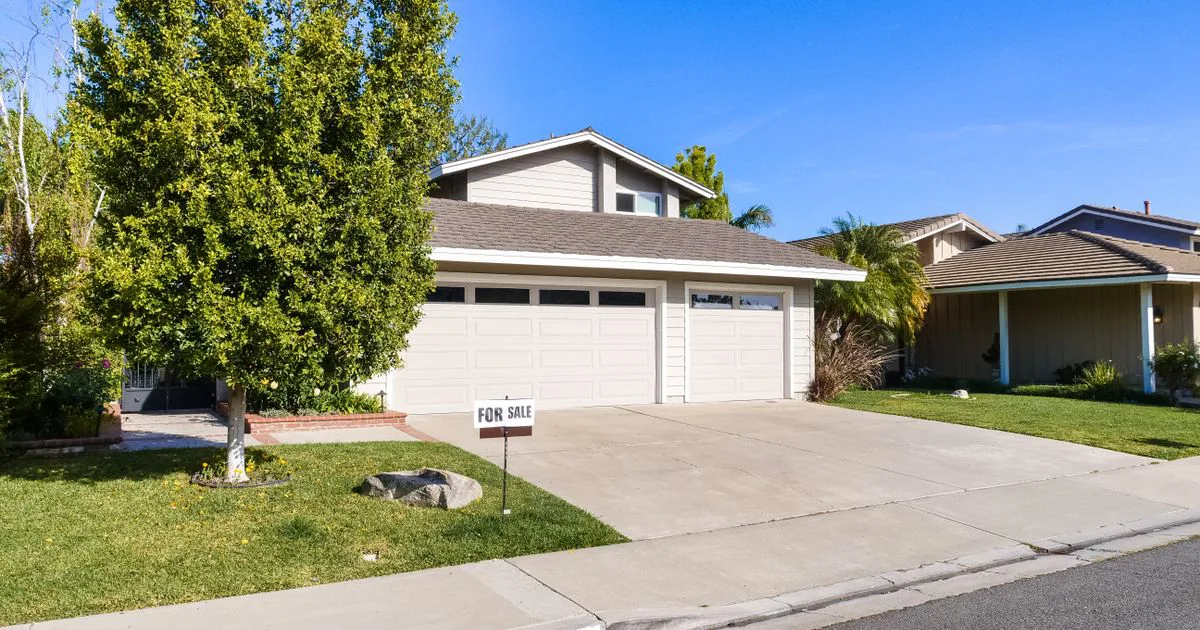
Does orientation actually affect property value?
Yes, but the honest answer comes with a caveat that most coverage skips: there is no robust Australian study that isolates orientation's effect on price. What passes for evidence in the market is usually a raw comparison of what north-facing homes sold for against everything else, which is not the same thing at all. To separate orientation from the many other things that drive price, you need a controlled study. That means one that holds suburb, land size, floor area, age and condition constant, then asks what the aspect alone is worth.
Those studies exist, mostly overseas, and they are consistent. They find that better sun and aspect do carry a premium, but a measured one. The effect is real enough to notice and small enough that it should never be the main reason you buy or reject a home. Comfort is the stronger argument for good orientation; value is a secondary, modest bonus. If you want the liveability case rather than the money case, is a north-facing house good? covers it. This article is strictly about the money.
What the controlled research actually shows
The strongest single piece of evidence comes from New Zealand, which shares our southern-hemisphere sun. Researchers analysed more than 5,000 house sales in Wellington and modelled how much direct sunlight each property actually received. They found that each extra hour of daily sunlight was associated with roughly a 2.6% increase in sale price, a result that held up across their tests (Fleming, Grimes et al., Regional Science and Urban Economics). Because it measures sunlight per property rather than a crude label, it is the closest thing we have to the true value of aspect in a comparable market.
Larger overseas markets point the same way. A study of more than 63,000 Beijing apartment sales found that sun-facing dwellings sold at about a 7.8% premium over west-facing equivalents, controlling for the usual price drivers (Song, Wilhelmsson and Zheng, International Journal of Strategic Property Management). Studies in Shanghai have found even larger premiums, though a strong cultural preference for south-facing homes inflates the figure there, so it travels poorly to Australia. Taken together, the controlled evidence supports a modest, single-digit aspect premium, all else equal, not the double-digit or six-figure numbers you see quoted.
Estimated sale-price effect of better sun or aspect, from two controlled studies.
Why the big Australian "north-facing premium" numbers mislead
Each year a striking figure does the rounds: north-facing homes command a premium of hundreds of thousands of dollars. The most recent comes from a 2025 Domain report, which found that north-facing listings carried a median price difference of about $375,500 nationally (Domain, Sustainability in Property 2025). The figure is real, but it does not mean what it appears to mean.
What the raw comparison actually measures
The problem is that they are raw comparisons. They line up the median price of homes tagged north-facing against everything else, with no adjustment for the other things that drive price. North-facing homes are not a random sample. They cluster in established, higher-value suburbs, sit on larger or better blocks, and are more often renovated or architect-designed, precisely the homes where aspect is marketed.
Why that overstates orientation's effect
So the $375,500 gap is mostly measuring suburb, land and quality, and only a sliver of it is orientation. That is why a controlled study lands at a few per cent while a raw comparison lands in the hundreds of thousands. Older market snapshots, such as a 2012 comparison showing north-facing backyards in one Melbourne suburb averaging around 17% more, have the same flaw. Read these numbers as a signal that buyers like sun, not as the price of aspect.
| Estimate | What it actually measures | Method |
|---|---|---|
| +2.6% per extra hour of sun · Wellington, NZ | Sunlight's effect on sale price | Controlled hedonic · 5,000+ sales |
| +7.8% sun-facing vs west · Beijing | Aspect's effect on price | Controlled hedonic · 63,000+ sales |
| ~$375,500 “north-facing premium” · Australia | A raw median gap, not isolated to aspect | Uncontrolled comparison |
Where aspect helps value most, and least
Orientation is not equally valuable everywhere, and knowing where it counts protects you from overpaying. It matters most for the spaces people actually live in: the aspect of the living areas and backyard moves value more than the direction of the front door, which is why north-facing backyard vs front is the distinction that matters at resale. It matters more for houses than for apartments, where a good balcony aspect helps but land is not part of the equation.
Climate changes the picture too. In cooler southern cities, a warm north aspect is prized; in hot northern climates, less direct sun can be the more comfortable and more saleable outcome, which is why north is not automatically best everywhere. Finally, energy performance is increasingly capitalised into price, and a good aspect supports a better-performing home, especially where the glazing and shading are right (north-facing windows and rooms). Aspect, in other words, is worth most when it delivers real comfort and efficiency, and worth least as a bare label on a listing.
So how much should a buyer pay for good aspect?
Treat aspect as a tie-breaker, not a headline premium. Between two otherwise comparable homes, a better aspect is a sound reason to prefer, and pay a little more for, the one that will be warmer, brighter and cheaper to run. What it does not justify is stretching your budget by tens of thousands to chase a north-facing label. The controlled evidence simply does not support a premium of that size, and you may be paying for suburb and land you would have paid for anyway.
The practical steps are straightforward. Confirm the aspect of the living areas and backyard rather than the front, using the method in how to check a home's orientation. Weigh aspect alongside the things that dominate price, location, land, size and condition, rather than above them. And for a specific property, where the aspect premium is genuinely part of your offer, ask a licensed valuer for a view, since a general figure from any article cannot value your particular home.
Does a poor aspect hurt resale?
It can, at the margin. A genuinely poor aspect, such as hot, unshaded west-facing living areas, or a dark main living space that faces south in a cool climate, can narrow the pool of buyers who fall in love with the home, and that can soften the price a little when you come to sell. The effect is real but secondary: location, land and condition still dominate what a home fetches.
Two things soften the downside. First, much of a poor aspect is fixable, external shading, better glazing or a considered renovation can lift comfort and take the edge off the concern. Second, buyers increasingly weigh running costs, so a home that is demonstrably efficient can offset an average aspect. The takeaway for sellers and buyers alike is the same as for the upside: aspect is one input among several, worth attention but rarely decisive.
Frequently asked questions
Does orientation affect property value?
Yes, but modestly. Controlled research points to a low single-digit price effect from better sun and aspect, not the very large “north-facing premium” figures quoted in the market, which are uncontrolled comparisons.
Is a north-facing house worth more?
Often a little, all else equal, mainly because the sun and comfort are desirable. But suburb, land, size and condition move price far more, so a north aspect is a tie-breaker, not a windfall.
Where does the “$375,500 north-facing premium” come from?
From a 2025 Domain report comparing the median price of north-facing listings with others. It has no controls, so it mostly reflects that north-tagged homes sit in pricier suburbs and are larger or newer, not the value of orientation itself.
Does a bad aspect hurt resale?
A genuinely poor aspect can narrow the buyer pool and soften price at the margin, but location, land and condition dominate, and shading or glazing can mitigate much of the downside.
Should I pay more for a north-facing home?
Pay for the daily comfort you will actually get, with modest resale support in mind, and check the aspect of the living areas and backyard rather than the front. For a specific property, ask a licensed valuer.
Sources
- Fleming, Grimes, Lebreton, Mare and Nunns, Valuing Sunshine (Motu / Regional Science and Urban Economics), retrieved 2026-07-10, https://www.motu.nz/our-research/urban-and-regional/housing/valuing-sunshine-2
- Song, Wilhelmsson and Zheng, Dwelling orientation and willingness to pay (International Journal of Strategic Property Management), retrieved 2026-07-10, https://journals.vilniustech.lt/index.php/IJSPM/article/view/10430
- Domain, Sustainability in Property 2025, retrieved 2026-07-10, https://www.domain.com.au/research/sustainability-in-property-2025-1384255/
- Cate Bakos, How valuable is north-facing?, retrieved 2026-07-10, https://www.catebakos.com.au/sundayblog/how-valuable-is-north-facing/
- YourHome (Australian Government), Orientation, retrieved 2026-07-10, https://www.yourhome.gov.au/passive-design/orientation
Eleanor Hayes, Editor, knest.ai
General information only. This article is general information for Australian home buyers, not personal financial, legal or property advice, and not a valuation. Property values depend on many factors specific to each home and market; for an assessment of a particular property, consult a licensed valuer or qualified property professional. knest.ai is a buyer-side property-intelligence platform that supports your decisions; it doesn't replace these professionals.
Recommended for you
How to Research a Property Before Buying in NSW: The 12 Checks

How to Check a Home's Orientation Before You Buy
Is an East-Facing House Good? The Morning-Sun Trade-off
Is a South-Facing House Really Bad in Australia?
Is a West-Facing House Good? Managing the Afternoon Heat
North-East vs North-West Facing: Which Is Better?