
knest.ai • Property intelligence for home buyers
Is a South-Facing House Really Bad in Australia?
A south-facing house isn't 'bad,' it's cooler and shadier, a trade-off rather than a fault. Here's when it works, and how to make it better.
If a listing says south-facing and your heart sinks, relax a little. A south-facing house isn't "bad," it's cooler and shadier than a north-facing one, which is a trade-off rather than a fault. In a warm climate it can even be an advantage, and good design manages most of the downsides. Here's the honest picture: what you give up, when south-facing actually works, and how to make it better.
- A south-facing house isn't “bad,” it's a different set of trade-offs: cooler rooms and soft, even light instead of direct winter sun.
- The real downside is less winter sun in the living areas, which matters most in cold, southern climates and can mean a bit more heating.
- In warm climates, cooler south-facing rooms are a genuine plus, and south suits bedrooms and glare-free spaces anywhere.
- Design fixes (bigger glazing, skylights, room layout) can lift the light and warmth of a south-facing home.
- What matters is the aspect of the living areas, not the label. A valuer, not a rule of thumb, prices any effect on value.
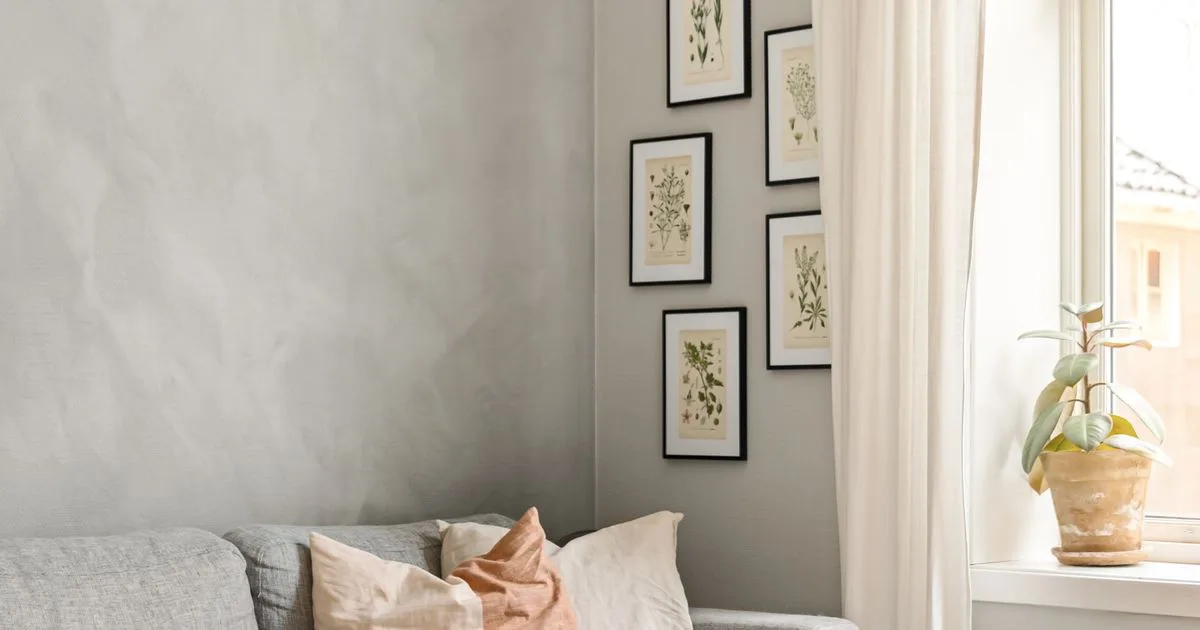
Is a south-facing house bad?
Not necessarily. A south-facing home simply gets less direct sun than a north-facing one, so its rooms are cooler and more evenly lit rather than sun-filled. Whether that's a problem depends on two things: your climate, and which rooms face south. In the cooler south of the country a south-facing living area gives up welcome winter sun; in a warm climate that same coolness is a relief. It's a trade-off, not a fault. For how it stacks up against the other directions, see north vs south vs east vs west.
What are the downsides of south-facing?
The honest ones, so you can weigh them. A south-facing living area gets little direct winter sun, so it can feel cooler and dimmer in the colder months, and you may lean on heating a little more in southern climates (YourHome, Australian Government). If the windows are small, the room can feel flat rather than bright. None of this makes a home unliveable; it's the reason north-facing living areas are prized, and the reason south-facing ones often cost a little less attention from buyers. The opposite problem, hot afternoon sun, belongs to the west; see is a west-facing house good?.
When does a south-facing house actually work?
More often than its reputation suggests. In warm and hot climates, cooler south-facing rooms are a genuine advantage, which is why orientation in the tropical north is about shade and breeze rather than chasing sun (YourHome, design for climate). South light is soft and even, with little glare, so it suits bedrooms, studies and any room with a screen or artwork. And plenty of homes face south at the front while opening their living areas to north light at the rear, which is the outcome you actually want.
Is a south-facing backyard bad?
Not usually, and again it depends on your climate. A south-facing backyard sits in more shade and stays cooler, because the house casts a shadow across it for part of the day. In cool southern climates that can leave the yard less inviting on winter afternoons, so it's worth checking whether the outdoor area you'd actually use catches any sun. In warm and hot climates the opposite applies: a shaded, cooler yard is an asset in summer, and it spares a deck or entertaining area from harsh afternoon heat. Stand in the space at the time of day you'd use it and see where the shadow falls; a lawn, a pool and a paved courtyard each behave differently in shade. It's a trade-off, not a dealbreaker.
Making a south-facing home better
If the living areas face south and you'd like more light and warmth, several fixes help. None turns south into north, but together they close much of the gap.
- Add or enlarge glazing. More window area on the brighter sides brings in more light; well-specified glass limits the heat penalty.
- Bring in top light. Skylights and high windows pull daylight into rooms a south wall can't.
- Put the living zones where the light is. If any part of the home gets north or east sun, make that the everyday living space.
- Shade and insulate for comfort. Good insulation keeps cooler rooms comfortable; a building designer or accredited energy assessor can price what's worthwhile before you buy.
Does a south-facing house affect value?
Maybe a little, but don't lean on a figure. Buyers often prefer north-facing, so south-facing homes can attract slightly less competition, but the effect on price isn't robustly quantified, and one experienced buyer's advocate notes south-facing "isn't necessarily a bad thing" (Cate Bakos). Weigh aspect against price, land and layout, and let a valuer quantify value for a specific home. We cover the evidence in does orientation affect property value?
Judging a south-facing home for yourself
Confirm which rooms actually face south (the front, the living areas, or the backyard), visit at two times of day to see the light, and factor your climate: cooler rooms are a bigger downside in Hobart than in Cairns. Then weigh it against everything else about the home. For the method, see how to check a home's orientation; for what "facing" even measures, see what a north-facing house means; and for the whole topic, our guide to house orientation.
Frequently asked questions
Is a south-facing house bad in Australia?
Not necessarily. South-facing rooms get little direct winter sun and stay cooler, with soft, even light. That's a downside for living areas in cold climates, but a plus in warm ones and fine for bedrooms.
What are the downsides of a south-facing house?
Less winter sun in the living areas, cooler rooms, and slightly more heating in cold climates. The rooms can feel dim if the glazing is small.
Can a south-facing house work?
Yes. It suits warm climates, bedrooms and glare-free spaces, and design like bigger glazing, skylights and room layout can lift the light and warmth.
Is a south-facing backyard bad?
It gets less sun and stays cooler, which some buyers dislike and others prefer. In warm climates a shaded yard is an asset; in cold ones it's less usable in winter.
Sources
- YourHome (Australian Government), Orientation, retrieved 2026-07-03, https://www.yourhome.gov.au/passive-design/orientation
- YourHome (Australian Government), Design for climate, retrieved 2026-07-03, https://www.yourhome.gov.au/passive-design/design-climate
- Cate Bakos, How valuable is north-facing?, retrieved 2026-07-03, https://www.catebakos.com.au/staging/how-valuable-is-north-facing/
Daniel Ryan, Editor, knest.ai
General information only. This article is general information for Australian home buyers, not personal financial, legal or property advice, and not a valuation. Verify a home's orientation, comfort and value with the relevant licensed professional, such as a building and pest inspector, an accredited energy assessor, or a valuer. knest.ai is a buyer-side property-intelligence platform that supports your decisions; it doesn't replace these professionals.
Recommended for you
Does House Orientation Affect Property Value? The Evidence

How to Check a Home's Orientation Before You Buy
Is an East-Facing House Good? The Morning-Sun Trade-off
Is a West-Facing House Good? Managing the Afternoon Heat
North-East vs North-West Facing: Which Is Better?
North-Facing Backyard vs North-Facing Front: Which Matters More?