
knest.ai • Property intelligence for home buyers
Is an East-Facing House Good? The Morning-Sun Trade-off
East is one of the easiest aspects to live with: gentle morning sun and cooler afternoons, often second-best after north. Here's the upside, and the one catch.
An east-facing house is one of the easiest aspects to live with. Its rooms catch gentle morning sun and stay cooler through the afternoon, which is why east is often the next-best choice after north, and far kinder than west in the heat. The one trade-off is warmth later in the day. Here's what an east aspect gives you, where it shines, and the catch to keep in mind.
- An east aspect is good for mornings and often the second-best choice after north: gentle morning sun, cooler afternoons.
- It suits kitchens, breakfast areas, bedrooms and early risers, and stays comfortable through hot summer afternoons.
- The trade-off is limited afternoon and evening warmth, so an east-facing main living room can feel cool by night in winter.
- Strong, low summer morning sun in a bedroom is easily managed with blinds.
- What matters is which rooms face east and how you use them, not the label alone.
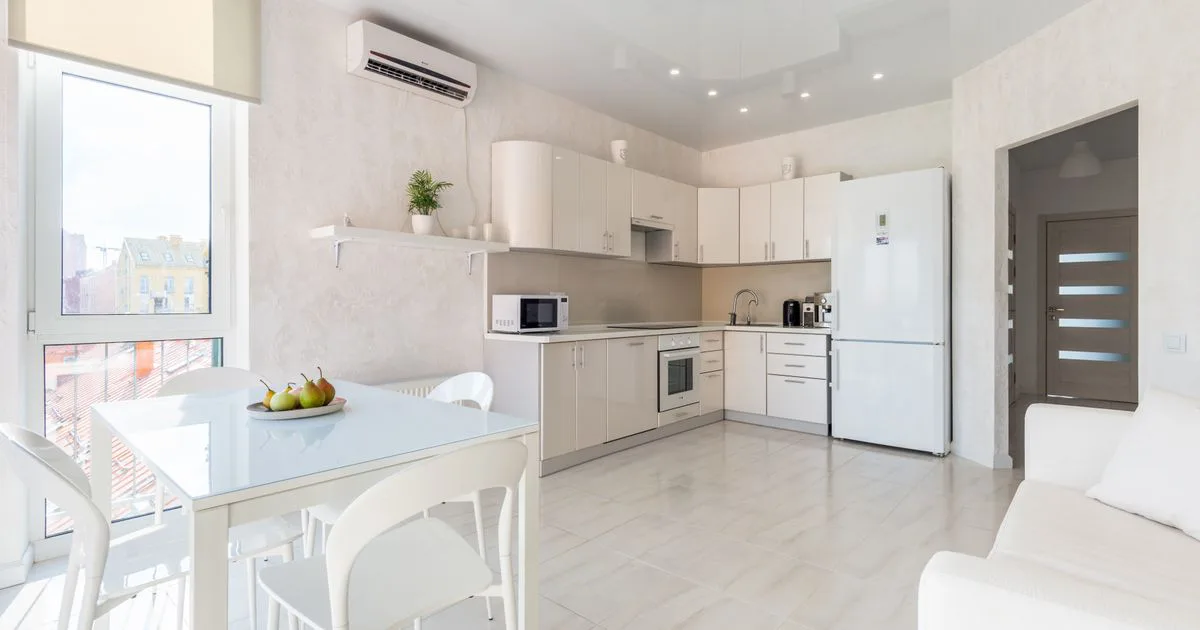
Is an east-facing house good?
For mornings, yes, and it's often the second-best aspect after north. An east-facing room gets soft, direct sun early in the day and then stays cool and shaded through the afternoon, which makes it comfortable and easy to live with. Whether it's the right "good" for you depends on which rooms face east and when you use them. As a rule, east is a gentle, low-risk aspect, nothing like the afternoon heat you manage with west. For how it ranks against the others, see north vs south vs east vs west.
What are the benefits of an east aspect?
Comfortable light and comfortable temperatures. East rooms fill with warm morning sun, then the sun moves overhead and away, so they stay cooler and glare-free for the rest of the day (YourHome, Australian Government). That's a real plus in summer, when an east-facing living room or bedroom avoids the harsh afternoon heat that troubles west-facing rooms. Morning light is also gentle and flattering, good for kitchens, breakfast tables and waking up. For most people it's the most pleasant part of the day to have sun.
What's the trade-off with east-facing?
Warmth later in the day. Because the sun leaves the east side by midday, an east-facing living room can feel cool by evening, especially in winter in the cooler south, so you may reach for heating sooner in the rooms you use at night. The other thing to know is that low summer morning sun can be strong and direct in an east bedroom, but that's easily handled with blinds or a curtain. Neither is a dealbreaker; they're just the flip side of cooler afternoons.
Which rooms suit an east aspect
East works best where you want morning light and afternoon cool. Kitchens and breakfast areas are a natural fit, as are bedrooms for anyone who likes waking with the light, and studies that benefit from glare-free morning sun. The one room to think twice about is a main living area you mostly use in the evening, which can feel cool once the sun has moved on. If the home's living areas face east but you live in them at night, factor a little extra heating in winter.
Does an east-facing house affect value?
Probably little either way. East is widely seen as a pleasant, low-risk aspect, so it rarely counts against a home, but the effect on price isn't robustly quantified. Weigh the aspect against price, land and layout rather than a rule of thumb, and let a valuer price value for a specific property. We look at the evidence in does orientation affect property value?
Judging an east-facing home for yourself
Check which rooms actually face east, and try to visit in the morning to see the light and again later to feel how the rooms cool. Think about when you use each space: east suits morning rooms far better than evening ones. Factor your climate, then weigh it against everything else about the home. For the method, see how to check a home's orientation; for the aspect to watch instead, see is a west-facing house good?; and for the whole topic, our guide to house orientation.
Frequently asked questions
Is an east-facing house good?
Usually yes, especially for mornings. East rooms get gentle morning sun and stay cooler in the afternoon, which suits kitchens, breakfast areas and bedrooms. The trade-off is less warmth later in the day.
What are the benefits of an east-facing aspect?
Soft morning light, cooler and more comfortable afternoons in summer, and glare-free rooms. It's a gentle, easy aspect to live with, and far kinder than west in the heat.
What's the downside of east-facing?
Limited afternoon and evening warmth, so an east-facing main living room can feel cool by night in winter. Strong summer morning sun in a bedroom is easily managed with blinds.
Is an east-facing bedroom good?
Many people like waking to morning light, and the room stays cool in the afternoon. If early light bothers you, block-out blinds solve it.
Sources
- YourHome (Australian Government), Orientation, retrieved 2026-07-03, https://www.yourhome.gov.au/passive-design/orientation
- YourHome (Australian Government), Shading, retrieved 2026-07-03, https://www.yourhome.gov.au/passive-design/shading
- YourHome (Australian Government), Design for climate, retrieved 2026-07-03, https://www.yourhome.gov.au/passive-design/design-climate
Daniel Ryan, Editor, knest.ai
General information only. This article is general information for Australian home buyers, not personal financial, legal or property advice, and not a valuation. Verify a home's orientation, comfort and value with the relevant licensed professional, such as a building and pest inspector, an accredited energy assessor, or a valuer. knest.ai is a buyer-side property-intelligence platform that supports your decisions; it doesn't replace these professionals.
Recommended for you
Does House Orientation Affect Property Value? The Evidence

How to Check a Home's Orientation Before You Buy
Is a South-Facing House Really Bad in Australia?
Is a West-Facing House Good? Managing the Afternoon Heat
North-East vs North-West Facing: Which Is Better?
North-Facing Backyard vs North-Facing Front: Which Matters More?