
knest.ai • Property intelligence for home buyers
How to Check a Home's Orientation Before You Buy
A phone compass, the floor plan and a well-timed visit tell you which way a house faces in about two minutes. The trick is checking the living areas, not the front door.
You don't need any special gear to work out which way a house faces. A phone compass, the floor plan and a visit at the right time will tell you in about two minutes. The one thing to get right: check the aspect of the rooms you'll actually live in, not the front door. Here's the full method, how to pre-check online, and what to do with what you find.
- You can confirm a home's aspect in about two minutes with a phone compass, the floor plan and a visit.
- Check the living areas and backyard, not the front door. That's the aspect that decides comfort.
- Set your compass app to true north; sun follows true (solar) north, not the magnetic north phones show by default.
- The ideal for living-area windows is within about 15° west to 20° east of true north (YourHome, Australian Government).
- Visit at two times of day, and look for shading on north and west glass.

How do you tell which way a house faces?
In about two minutes, with three tools you already have: a phone compass, the floor plan, and your own eyes at the right time of day. The method below works at an open home or a private inspection. The golden rule runs through all of it: read the aspect of the living areas and outdoor space, because a north-facing front door means little if the living room faces south. If there's one habit I'd press on any buyer walking through open homes, it's this: book a late-afternoon inspection. It's the slot most people skip, and it's the one that shows whether west-facing glass turns the living room into a hotbox from about 3pm. A tidy morning viewing can hide it completely.
- Set your phone compass to true north. In the compass app's settings, switch on true north. Magnetic north is a degree or two off in Australia, and sun behaviour follows true north.
- Read the aspect off the living-area wall. Stand with your back to the main living-area or backyard wall and note the direction you're facing.
- Find the north arrow on the floor plan. Most floor plans and the contract of sale show one. Line it up against where the living areas and outdoor space sit.
- Walk the rooms you'll use. Notice where light lands in the kitchen, family room and yard, not the entrance.
- Visit at two times of day. A morning-only inspection hides the afternoon story, and the reverse. Try to see the home morning and late afternoon.
- Check the shading. Look for eaves over north glass and awnings or screens on west glass. Big, unshaded north or west windows are a flag.
Each check has a job and a blind spot, so use them together rather than trusting any one on its own:
| Check | What it tells you | Where it falls short |
|---|---|---|
| Phone compass (set to true north) | The exact aspect of a wall or window, on the spot | Reads magnetic north by default; you must switch it |
| Floor plan north arrow | The layout's aspect before you visit | Missing on some plans; drawn to the page, not true north |
| Satellite + sun-path tool | How the block sits and where the sun tracks | Misses trees, neighbours and eaves |
| On-site visit (two times of day) | How light and heat actually land | Needs two trips; a single slot hides half the story |
How do you read a floor plan's north arrow?
The fastest desk check is the floor plan. Almost every listing plan, and the contract of sale, includes a small north arrow, usually tucked in a corner. Turn the plan so the arrow points up, then look at where the living areas and backyard sit relative to it: rooms toward the top of the page face north, rooms at the bottom face south. One catch worth knowing is that a plan is drawn to fit the page, not to true north, so it's the arrow that counts, never the top edge of the sheet. Watch out for L-shaped layouts and rear extensions too, because the kitchen and the main living room can end up facing different ways; read each space against the arrow rather than judging the house as one block. If a plan has no arrow, ask the agent, or fall back on your compass on site. The plan tells you the layout's aspect before you ever visit, which is what lets you shortlist the homes worth a Saturday.
True north vs magnetic north: why it matters
Here's the trap that trips people up. Your phone's compass shows magnetic north by default, but the sun's path follows true (solar) north, and the two differ by a few degrees across Australia. Exactly how many depends on where you stand; Geoscience Australia's magnetic declination calculator gives the figure for any Australian address (Geoscience Australia). For a rough read it barely matters, but when you're judging a fine aspect, it does, because the sweet spot for living-area glass is a fairly specific band: about 15° west to 20° east of true north (YourHome, Australian Government). So switch your compass app to true north before you rely on it. If you're unsure what "facing" even measures, start with what a north-facing house means.
Can you check orientation online before visiting?
You can narrow things down from the couch. Open the address in a maps satellite view and look at how the house and street sit: you can usually see which way the backyard and roof lines run, and often the shadow the house throws at the moment the image was captured. A sun-path or shadow tool then fills in the rest. Several are free (search "sun path" with the suburb, or use a calculator like SunCalc), and they let you set a summer afternoon or a winter morning and watch where the light tracks across the block, so you can picture the glare before you're standing in it. Treat all of this as a pre-check, not proof. A neighbour's two-storey wall, a row of established trees or a deep eave can change the real picture entirely, which is exactly why the on-site visit still settles it.
What the aspect tells you, and what to do next
Once you know the aspect, turn it into a decision. If the living areas face north, that's the outcome most buyers want; see is a north-facing house good? for the full verdict. If they face another way, north vs south vs east vs west shows the trade-offs, and north-facing backyard vs front covers the outdoor-space angle. Weigh the aspect against price, land and layout rather than treating it as pass/fail, and if shading or a room reconfiguration might be needed, price it with a building designer or energy assessor before you offer. For the whole topic, see our guide to house orientation.
Frequently asked questions
How do you tell which way a house faces?
Point a phone compass (set to true north) off the main living-area or backyard wall, check the floor plan's north arrow, and visit at two times of day to see where the sun falls. Check the living areas, not the front door.
Does the compass app show true north?
By default most show magnetic north, which is a few degrees off in Australia. Switch the app to true north, because sun behaviour follows true (solar) north.
How do I check a home's orientation without visiting?
Use a maps satellite view to see how the block and street sit, and a sun-path or shadow tool for the date and time you'd use the space. Confirm on site before you rely on it.
How do I know if a house is north-facing?
If the main living areas and backyard face within about 15° west to 20° east of true north, it's north-facing where it counts, regardless of the front door.
Sources
- YourHome (Australian Government), Orientation, retrieved 2026-07-03, https://www.yourhome.gov.au/passive-design/orientation
- YourHome (Australian Government), Shading, retrieved 2026-07-03, https://www.yourhome.gov.au/passive-design/shading
- Geoscience Australia (Australian Government), Magnetic declination calculator (AGRF), retrieved 2026-07-10, https://geomagnetism.ga.gov.au/agrf-calculations/agrf-form
Daniel Ryan, Editor, knest.ai
General information only. This article is general information for Australian home buyers, not personal financial, legal or property advice, and not a valuation. Confirm a home's orientation and how it performs with the relevant licensed professional, such as a building and pest inspector or an accredited energy assessor. knest.ai is a buyer-side property-intelligence platform that supports your decisions; it doesn't replace these professionals.
Recommended for you
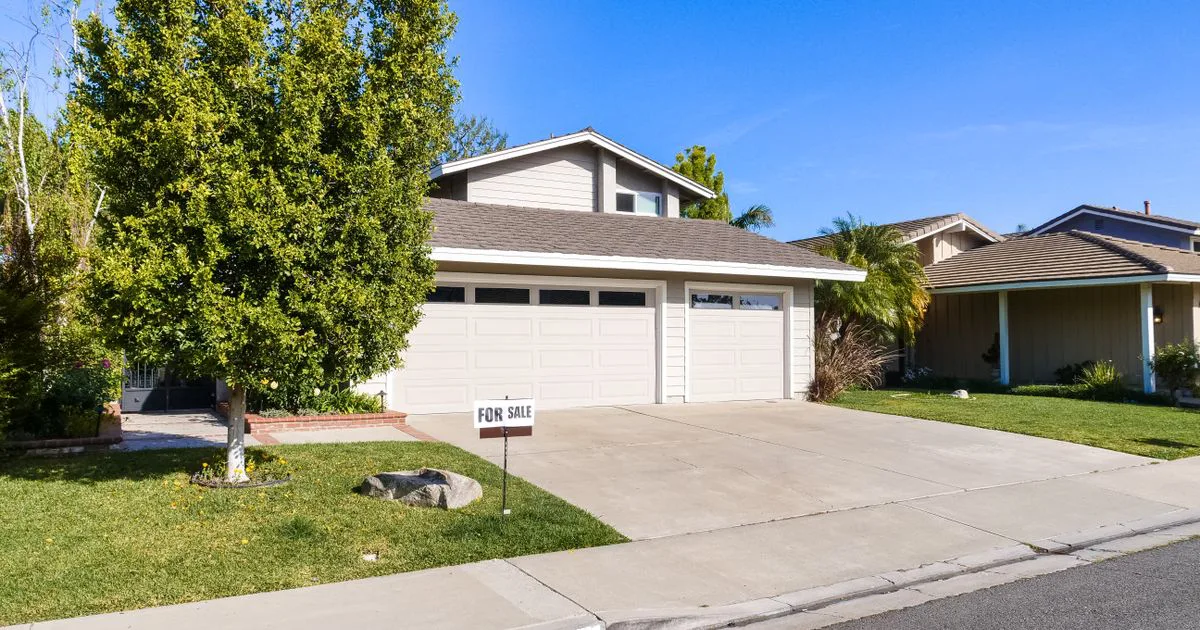
Does House Orientation Affect Property Value? The Evidence
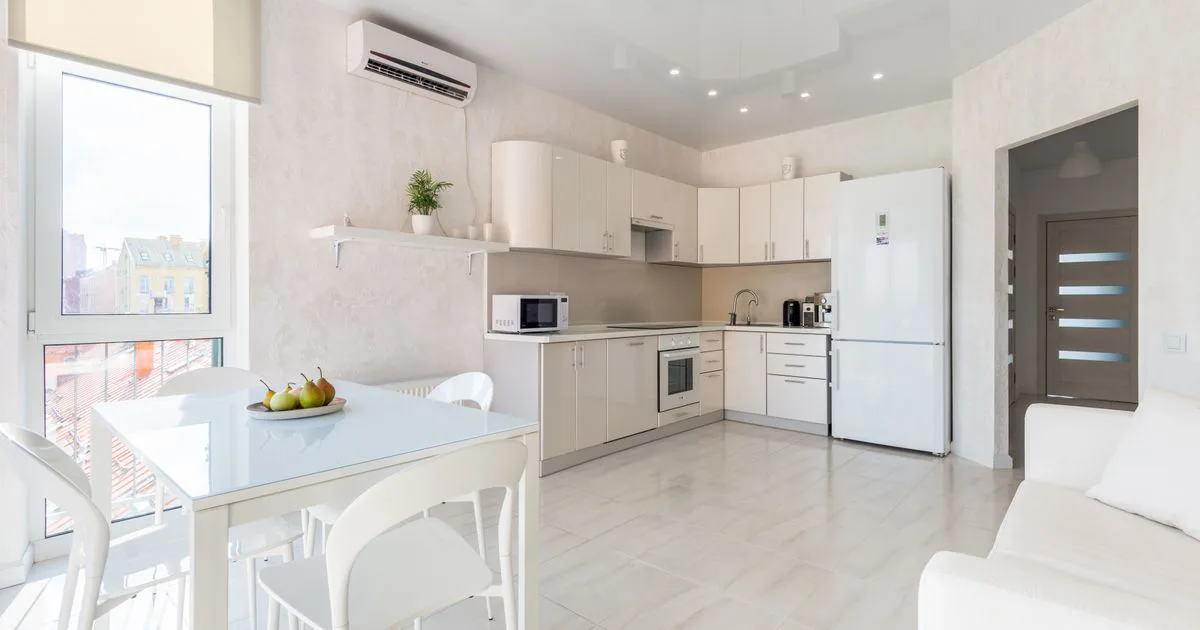
Is an East-Facing House Good? The Morning-Sun Trade-off
Is a South-Facing House Really Bad in Australia?
Is a West-Facing House Good? Managing the Afternoon Heat
North-East vs North-West Facing: Which Is Better?
North-Facing Backyard vs North-Facing Front: Which Matters More?