
knest.ai • Property intelligence for home buyers
Is a West-Facing House Good? Managing the Afternoon Heat
West-facing is the one aspect to check carefully: low afternoon sun that eaves can't block. It's workable, not a dealbreaker. Here's why it overheats, and how to manage it.
West-facing is the one aspect worth checking carefully before you buy. The problem is specific: on summer afternoons the sun sits low in the west and shines straight in under the eaves, so west rooms can heat up and cost more to cool. That said, it's a tricky aspect, not a dealbreaker. With the right shading, and by putting the rooms you use least on the west side, a west-facing home works fine. Here's why it overheats, when it's actually okay, and how to manage the heat.
- West-facing is the trickiest aspect, not a dealbreaker. Its issue is low afternoon summer sun that a normal eave can't block.
- West rooms can overheat and cost more to cool, so shading matters more here than for any other aspect (YourHome, Australian Government).
- It's fine when the west side holds rooms you use in the morning (like bedrooms), or in cooler climates where a little winter afternoon warmth is welcome.
- The fixes are external or adjustable shading, vertical screens, better glazing and deciduous planting. Low sun needs vertical shading, not eaves.
- What matters is which rooms face west and how they're shaded, not the label alone.
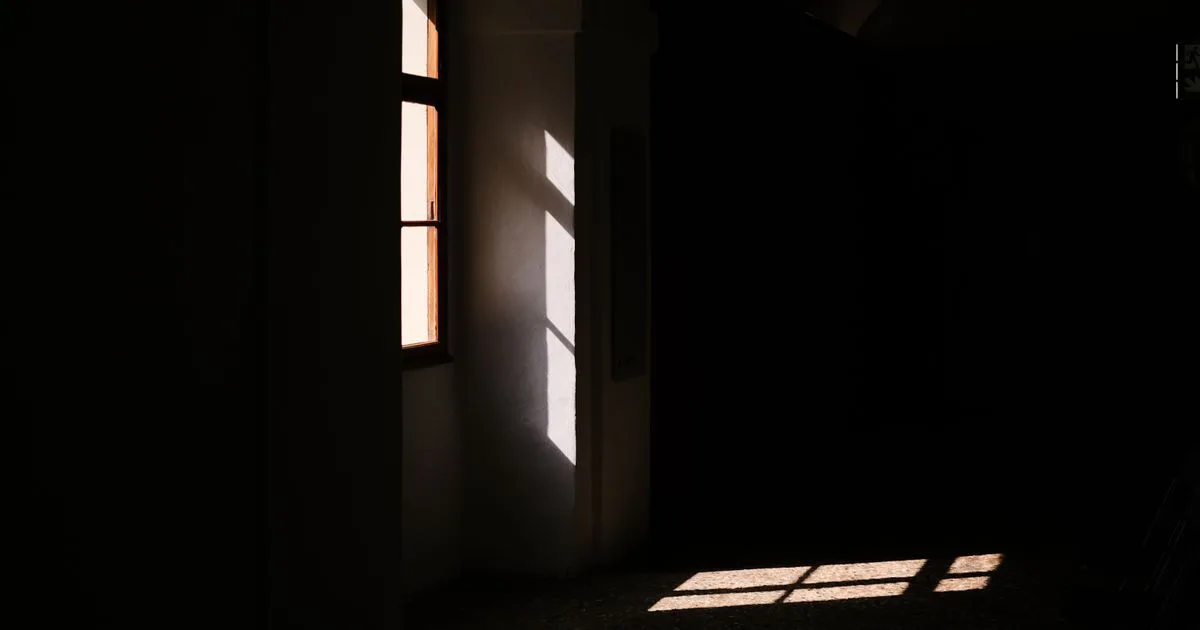
Is a west-facing house good?
It's workable, but it's the aspect to check most carefully. A west-facing home catches strong afternoon sun, which is a liability on hot summer days and a small bonus on cool winter ones. Whether it's "good" comes down to which rooms face west and how well they're shaded. If the west side holds bedrooms you use at night and the living areas face north, west is barely an issue. If your main living room faces an unshaded west, it can be uncomfortable and costly in summer. For how west stacks up against the other directions, see north vs south vs east vs west.
Why do west-facing rooms overheat?
Because of the angle of the afternoon sun. In summer the late sun sits low in the western sky and shines almost horizontally, straight in under the eaves and deep into the room (YourHome, Australian Government). That's the opposite of high north sun, which a normal eave shades easily. Low western sun heats the room directly, warms the floor and furniture, and lifts your cooling bill through the hottest part of the day. It's the same reason a car bakes when parked facing the afternoon sun. The fix isn't a bigger eave; it's shading that blocks low, direct light.
When is a west-facing house actually fine?
More often than you'd think. If the rooms on the west side are ones you use in the morning or briefly, like bedrooms, a study or a garage, the afternoon heat matters far less. In cooler southern climates, a little west sun adds welcome warmth on winter afternoons. And many homes face west at the front while opening their living areas to the north, which sidesteps the problem entirely. West only becomes a real drawback when it lands on the rooms you live in through the afternoon, unshaded.
How to shade west-facing windows
If a west aspect falls on rooms you use, shading is the answer, and low sun needs the right kind. These fixes, alone or combined, make a west room comfortable.
- Use external or adjustable shading. Awnings, external blinds and shutters stop the heat before it hits the glass, and adjustable ones let in winter sun when you want it.
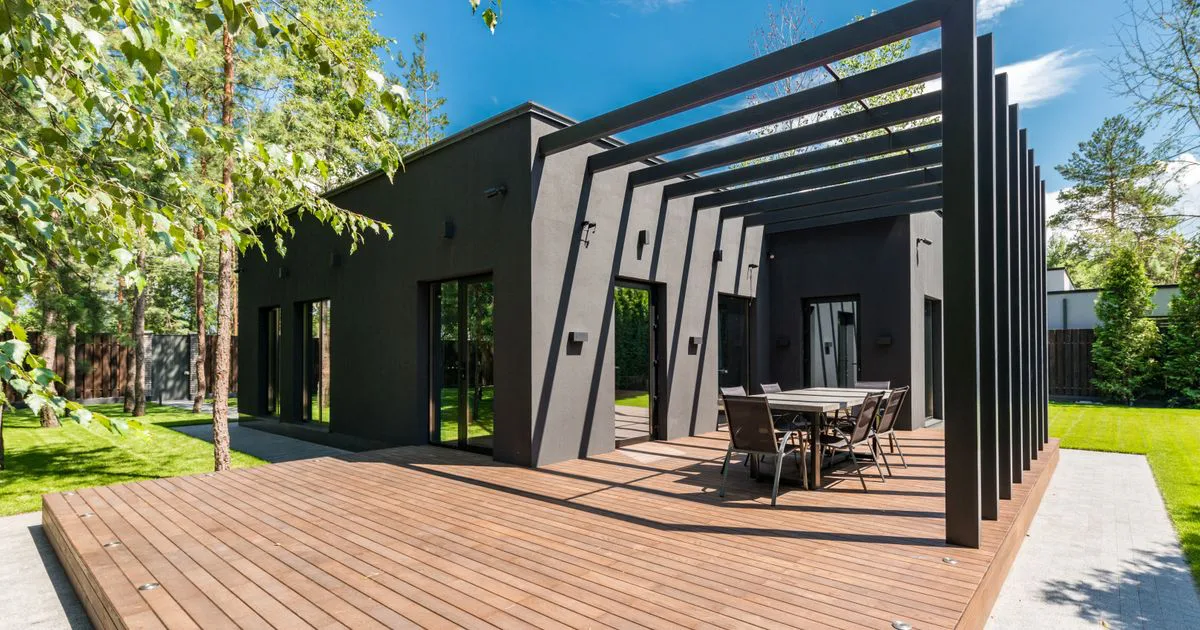
- Add vertical screens. Because the sun is low, vertical elements (screens, battens, blades) block it where eaves can't.
- Upgrade the glazing. Performance or low-e glass cuts the heat coming through a west window.
- Plant for shade. A deciduous tree shades the west wall in summer and drops its leaves to let winter sun through. A building designer or energy assessor can advise what's worth it before you buy.
Does a west-facing house affect value?
Possibly a little, but don't rely on a number. West-facing can draw slightly less buyer competition, especially for living areas, but the effect on price isn't robustly measured. Weigh the aspect against price, land and layout, and factor the cost of any shading you'd add. A valuer, not a rule of thumb, prices value for a specific home. We look at the evidence in does orientation affect property value?
Judging a west-facing home for yourself
Check which rooms actually face west (the living areas, the bedrooms, or the backyard), and try to visit on a warm afternoon to feel the heat first-hand. Look for existing shading on west glass, and factor your climate: west heat is a bigger issue in Perth than in Hobart, which is part of why the best aspect depends on your climate zone. Then weigh it against everything else. For the method, see how to check a home's orientation; for a gentler aspect by comparison, see is an east-facing house good?; and for the whole topic, our guide to house orientation.
Frequently asked questions
Is a west-facing house bad?
Not bad, but it's the trickiest aspect. West rooms catch strong, low afternoon sun in summer that eaves can't block, so they can overheat. With good shading it's workable, and in cooler climates west brings some winter afternoon warmth.
Why do west-facing rooms get so hot?
Because the afternoon sun sits low and shines straight in under the eaves, unlike high north sun. That direct low-angle heat warms the room and lifts cooling costs.
How do you shade west-facing windows?
With external or adjustable shading (awnings, external blinds, shutters), vertical screens, performance glazing, and deciduous planting. Low sun needs vertical shading, not eaves.
Is a west-facing backyard good?
It gets hot afternoon sun in summer, which suits cooler climates and winter use but can be uncomfortable on summer afternoons. Shade structures and planting help.
Sources
- YourHome (Australian Government), Shading, retrieved 2026-07-03, https://www.yourhome.gov.au/passive-design/shading
- YourHome (Australian Government), Orientation, retrieved 2026-07-03, https://www.yourhome.gov.au/passive-design/orientation
- YourHome (Australian Government), Design for climate, retrieved 2026-07-03, https://www.yourhome.gov.au/passive-design/design-climate
Daniel Ryan, Editor, knest.ai
General information only. This article is general information for Australian home buyers, not personal financial, legal or property advice, and not a valuation. Verify a home's orientation, comfort and value with the relevant licensed professional, such as a building and pest inspector, an accredited energy assessor, or a valuer. knest.ai is a buyer-side property-intelligence platform that supports your decisions; it doesn't replace these professionals.
Recommended for you
Does House Orientation Affect Property Value? The Evidence

How to Check a Home's Orientation Before You Buy
Is an East-Facing House Good? The Morning-Sun Trade-off
Is a South-Facing House Really Bad in Australia?
North-East vs North-West Facing: Which Is Better?
North-Facing Backyard vs North-Facing Front: Which Matters More?