
knest.ai • Property intelligence for home buyers
House Orientation in Australia: A Buyer's Guide to Aspect (and Why 'North-Facing' Isn't Always the Answer)
A north-facing house is prized in most of Australia, but only if the rooms you live in face north, not just the front door. Here's how to judge aspect like a buyer, not a brochure.
Ask any agent and they'll tell you a north-facing home is the one to want. In most of Australia, they're right — north-facing living spaces catch warm winter sun and stay easy to shade in summer. But there's a catch that trips up more buyers than any other, and it's hiding in those two words: north-facing. A house can face north at the front and still have its living areas and backyard pointing south, into the shade. So the honest answer to "is a north-facing house good?" is: it depends which part faces north. We answer that in full in is a north-facing house good?. This guide shows you what actually matters, what it's worth, where the rule flips, and how to check it yourself at an inspection.
- A “north-facing house” is best understood as the living areas and main outdoor space facing north, where the sun actually matters. A listing sometimes uses it more loosely, for just the front, which can face a different, shadier way.
- In southern Australia, north-facing living rooms get the most winter sun and are easily shaded from high summer sun. The ideal is roughly 15° west to 20° east of true north (YourHome, Australian Government).
- Orientation feeds a home's energy rating. A 7-star home needs about 20–25% less heating and cooling energy than a 6-star one (Sustainability Victoria, 2024).
- There's no reliable figure for how much aspect adds to price. Be sceptical of quoted percentages like “up to 10%”. A valuer is who quantifies value for a specific home.
- North isn't best everywhere. In the tropical north, aspect is about cooling breezes and shade, not chasing the sun (YourHome).
- You can confirm a home's aspect in about two minutes with a phone compass, the floor plan's north arrow, and a visit at two times of day.
What does "north-facing" actually mean?
"North-facing" is best understood as the way a home's living areas and backyard face, because that's what decides where the sun lands in your kitchen and across your yard. A listing will sometimes use the term more loosely, for the way the front faces the street, and that gap is exactly where buyers overpay for the wrong thing.
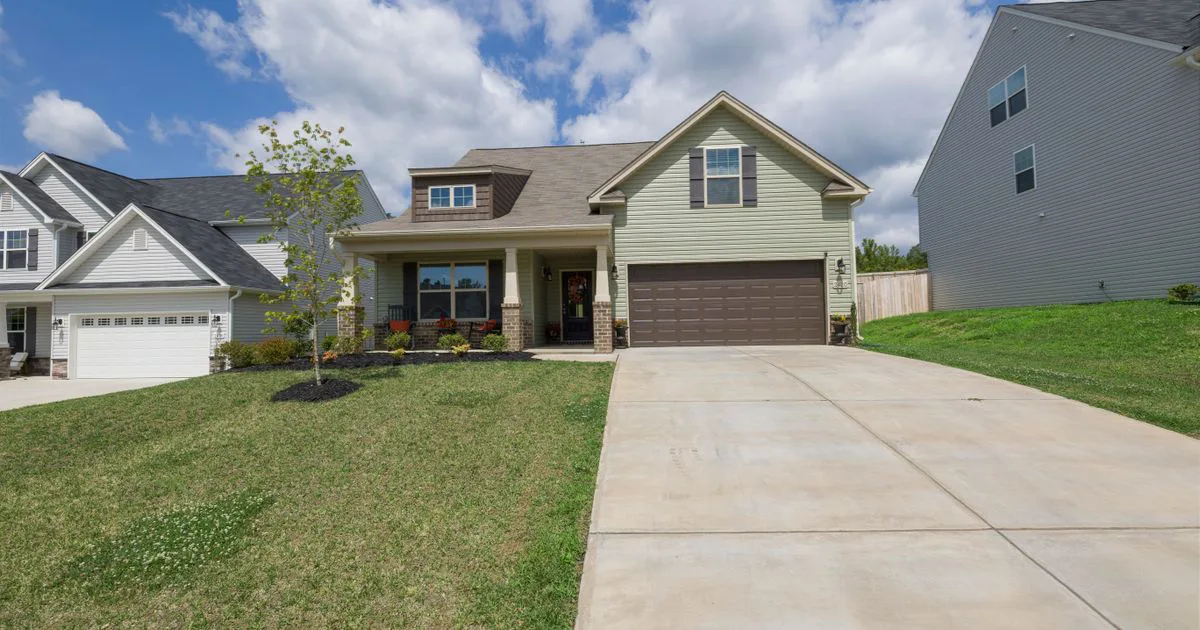
Here's the trap. A block with its street frontage to the north often puts the front rooms (the hallway, a bedroom, the garage) on the sunny side. The living areas and the backyard end up at the rear, facing south, in shade for much of the day. So a home can be sold as "north-facing" on its frontage while you spend your evenings in the coolest, darkest part of it.
What you actually want is north-facing living space. The daytime rooms (kitchen, family room, the deck or yard you'll use) are the ones worth having on the sunny side. The front door's direction is almost beside the point.
Front-facing vs living-area facing
Picture two homes on the same street. Home A faces north at the front, with living areas and a courtyard to the south. Home B faces south at the front, but its open-plan living and backyard open to the north. On paper, Home A is the "north-facing" one. In practice, Home B is the warmer, brighter place to live. Same street, opposite outcomes.
This is why "which way does it face?" is the wrong first question. The better one is: which way do the living areas and outdoor space face? If you take one idea from this guide, take that one.
It also helps to know why the label gets used so loosely. A listing describes the block, and "north-facing" reads as a selling point whether or not the living areas benefit. That's not dishonest — it's just the seller's framing. Your job as the buyer is to translate it: ask the agent (or check the plan) which way the main living area and the backyard face, and treat the front-door direction as a side note. (We go deeper in north-facing backyard vs front and what "north-facing" really means.)
A north-facing front can still leave the living areas and yard in shade.
Why is north-facing prized in Australia?
Because of the sun's path, not superstition. In the southern hemisphere, north-facing rooms get sunlight for the longest part of the day in winter, and that low winter sun reaches deep inside. In summer, the sun sits high overhead, so a normal eave shades those same windows (YourHome, Australian Government). You get warmth when you want it and shade when you don't, all from the one aspect.
The reason it works is basic astronomy. Earth tilts about 23.4° on its axis, so the midday sun sits much higher in summer than in winter. At Sydney's latitude (around 34° south) the noon sun climbs to roughly 79° overhead at midsummer but sinks to about 33° at midwinter, a seasonal swing of around 45° (Certified Energy; the altitudes follow from latitude and Earth's 23.4° tilt). Melbourne, Perth and Canberra follow the same pattern within a few degrees. That's why a fixed eave can block the high summer sun and still let the low winter sun stream in.
Midday sun altitude at the solstices: the seasonal swing that makes north-facing work.
YourHome puts the sweet spot for living-area glass at roughly 15° west to 20° east of true north. Within that band you capture good winter sun without much summer penalty. Note that's true north, not the magnetic north your phone shows by default. More on that when we get to checking a home yourself.
The eave trick
Eaves do the heavy lifting, and there's a simple rule of thumb: an eave depth of roughly one-third of the window height shades north-facing glass through summer while still letting the low winter sun in, with no effort from you and no extra cost (YourHome shading). You don't need to size it yourself. Just know that a north window with a decent eave is a feature, and a big north or west window with no shade is a warning sign to check.
Orientation also doesn't work alone. Good north glass pairs with the right amount of glazing, insulation and, in cooler climates, some thermal mass, like a tiled slab, to soak up winter warmth and release it slowly. A north-facing room with huge unshaded windows and no insulation can still bake in summer and leak heat in winter. So when a home's aspect looks good, check that the rest of the design backs it up.
How much does orientation affect your energy bills?
Enough to notice, though not enough to promise a figure. Orientation is one of the main inputs into a home's thermal shell rating, and better-rated shells cost less to run. A 7-star home needs about 20–25% less heating and cooling energy than a 6-star one in most locations (Sustainability Victoria, 2024).
In dollars, Victoria's move to a 7-star standard was estimated to save the average household at least $300 a year, and up to $1,056 a year for an all-electric Melbourne home (Energy Victoria, 2024). The rating itself comes from NatHERS, which scores a home's shell from 0 to 10 stars using CSIRO's modelling and adjusts for each climate zone (NatHERS; CSIRO, 2021). Orientation is part of that score, alongside insulation, glazing and shading.
Estimated annual running-cost saving of a 7-star home versus a 6-star home.
One honest caveat, because it matters. A star rating models the shell; it doesn't guarantee your bill. Research that checked NatHERS ratings against measured energy use found the scheme broadly delivers its intended benefits, even after allowing for how occupants behave (O'Leary et al., Energy and Buildings, 2016). But how you live (thermostat habits, which rooms you heat) still moves the number. Use orientation and ratings as strong design guidance, not a promised saving.
As a buyer, you can ask for the home's energy rating or any NatHERS certificate, and look for the practical signs: eaves or shading over the north and west glass, draught-sealing around doors and windows, and insulation in the roof. Those tell you more about running costs than the aspect on its own. For how the glass itself behaves and how to manage light, heat and bills, see north-facing windows and rooms.
North vs south vs east vs west: a quick comparison
Each aspect is a trade-off, not a grade. In southern Australia, north is the best all-rounder, south is cooler and shadier (not automatically bad), east gives pleasant morning sun, and west brings summer afternoon heat that's hard to shade. Which suits you depends on your climate and how you use each room.
| Aspect | Winter sun | Summer heat | Easy to shade? | Suits |
|---|---|---|---|---|
| North | Long and low, welcome | High sun, easy to block | Yes, with eaves | Main living areas and outdoor space |
| South | Little direct sun | Cooler, shaded | Not needed | Bedrooms; warmer climates |
| East | Morning only | Gentle morning warmth | Partly | Kitchens, breakfast rooms, early risers |
| West | Low afternoon sun | Strong, hard to block | Hard (sun sits low) | Rooms used in the morning, not the evening |
North
North is the all-rounder: long winter sun, easy summer shading, and bright living areas. This is the aspect worth paying attention to, for the rooms you live in. What to check: that it's the living areas and yard facing north, and that the north windows have eaves or another form of summer shading.
South
Cooler and more shaded, with soft, even light and little direct sun in winter. That's a downside in cold climates but can be a genuine plus in hot ones, and good design manages it. A south-facing home isn't a mistake — it's a different set of trade-offs. What to check: whether the shade actually bothers you in winter, and whether living areas still get useful daylight. (More in is a south-facing house bad?)
East
Morning sun in the kitchen or breakfast area, which many people love, and cooler afternoons. The trade-off is limited warmth later in the day. Pleasant for early risers; less ideal if you want a sunny evening living room. What to check: which rooms get the morning sun, and whether you'll miss afternoon warmth in the living space. (More in is an east-facing house good?)
West
Strong, low afternoon sun in summer, and because it comes in low, an eave can't block it the way it blocks high north sun. West-facing living rooms and bedrooms can get uncomfortably hot on summer afternoons and cost more to cool. In cooler southern zones, a bit of winter afternoon warmth is a small upside. West isn't a dealbreaker, but it does need proper shading. What to check: how the west glass is shaded, and whether you'd be using those rooms late in the day. A west-facing bedroom matters less than a west-facing living room. (More in is a west-facing house good?)
The diagonals
Most homes don't face a compass point exactly. North-east catches morning sun and holds warmth well, often a favourite. North-west leans into that hot afternoon sun. We compare them in north-east vs north-west facing.
For the full side-by-side, see north vs south vs east vs west, compared.
Does orientation affect property value and resale?
Probably a little — but be sceptical of any exact figure. Buyers and agents treat good aspect as a real plus, and it can help a home sell. You'll sometimes hear that the wrong aspect knocks "up to 10%" off the price, but treat that as folklore. No robust study isolates orientation's effect on value, so there's no reliable percentage to lean on.
The more useful way to think about it: aspect is one factor among many: price, land size, location, layout, outlook. A brilliant north living area on a tiny block in the wrong suburb isn't automatically a better buy than a south-facing home that ticks your bigger boxes. One property advocate puts it well: north-facing is a valuable "nice-to-have" that earns extra points, but the premium is hard to pin down, and south-facing "isn't necessarily a bad thing" (Cate Bakos).
If value is your real question, a licensed valuer is who quantifies it for a specific property — not a blog, and not knest.ai. We dig into the evidence in does aspect change resale value?
Why "north is best" isn't universal
Because Australia isn't one climate. The rule that north-facing wins is really a rule for the cooler, temperate south. Australia has eight main climate zones, from tropical north to cool south, and good design follows the zone (YourHome, Australian Government).
Cool and temperate south
This is where the north-facing logic holds. Melbourne, Sydney, Adelaide, Canberra, Hobart, Perth: you want to capture winter sun in the living areas and shade it in summer. Chase the north aspect.
Tropical and warm-humid north
Above the Tropic of Capricorn (think Cairns, Townsville, Darwin, much of coastal Queensland and the NT), the goal flips. Here you're trying to stay cool, so orientation is about catching cooling breezes, encouraging cross-ventilation, and keeping sun out with shade. Narrow floor plans and good airflow beat a sun-catching north aspect (YourHome). A buyer in Darwin applying Melbourne's rulebook would be optimising for the wrong thing.
| Where you're buying | What to prioritise |
|---|---|
| Cool & temperate south (Melbourne, Sydney, Adelaide, Canberra, Hobart, Perth) | Capture winter sun in the living areas and shade it in summer, and chase a north aspect |
| Tropical & warm-humid north (Cairns, Townsville, Darwin, coastal QLD & NT) | Catch cooling breezes, cross-ventilate, and keep the sun out, because shade beats sun |
So before you weigh a home's aspect, place it in its climate. We unpack this in why "north is best" is a myth.
How to check a home's aspect before you buy
You can settle this in about two minutes, without taking anyone's word for it. Between a phone compass, the floor plan, and a well-timed visit, you can confirm exactly where the sun lands.
- Use your phone's compass. Stand with your back to the main living-area or backyard wall and see which way you're facing. Set the compass to true north if you can (or note that magnetic north can be a degree or two off). It's true north that matters for sun.
- Find the north arrow on the floor plan. Most floor plans and the contract of sale include one. Line it up against where the living areas and outdoor space sit.
- Stand in the rooms you'll actually use. Notice where light falls in the kitchen, family room and yard, not the entrance.
- Visit at two different times. A morning-only inspection hides the afternoon story (and vice versa). Try to see it morning and late afternoon.
- Check the shading over north and west glass. A north window with a good eave is a plus. Big, unshaded west or north glass is worth a closer look.
For a step-by-step version you can take to an open home, see how to check a home's orientation at an inspection.
Can you fix a poorly-oriented home?
Partly — and it's worth pricing the fix before you buy, not after. You can't rotate the house, but you can improve how a less-than-ideal aspect performs. External shading (adjustable or vertical shading works best for stubborn low western sun), better glazing, added insulation, and even skylights can all help. Sometimes the biggest win is simply reconfiguring which rooms are your living zones, so you spend your days in the brighter part of the home.
None of that is free, and some of it needs a professional eye. A building designer, architect or accredited energy assessor can tell you what's feasible and roughly what it costs, which is useful to know while you're still deciding whether to make an offer.
The point is to price the fix before you commit, not after. If a home has a great location and layout but a shaded living area, a realistic quote for shading or a room reconfiguration turns a vague worry into a number you can weigh against the price. Sometimes it's a small, worthwhile job. Sometimes it's a reason to adjust your offer, or to keep looking.
So what should a buyer actually pay for?
Pay for the aspect of the spaces you'll live in — weighed against everything else. A north-facing front door on its own is worth very little. A north-facing living area and backyard is the thing that makes a home warmer, brighter and cheaper to run, and that's what deserves a premium. A north front with a shaded southern yard usually doesn't.
So keep the trade-offs in view. Aspect sits alongside price, land, location and layout — it rarely outranks all of them. When you're comparing homes, confirm the living-area aspect, see the place at two times of day, compare like with like, and then decide whether to proceed, dig deeper, or walk away. That last step is the whole point: good information, used to make a calmer call.
Frequently asked questions
Is a north-facing house good in Australia?
In southern Australia, yes. North-facing living areas get warm winter sun and are easy to shade in summer. But it only helps if the <em>living spaces and backyard</em> face north, not just the front door. In the tropical north, breezes and shade matter more.
What does “north-facing” actually mean?
For comfort, it means the main living areas and outdoor space face north, where the sun matters. A listing sometimes uses it more loosely, for just the front, which can face a different, shadier direction, so check the aspect of the spaces you'll use.
Is a south-facing house bad?
Not necessarily. South-facing rooms get less direct sun and stay cooler, which suits warmer climates and can be managed with good design. It's a trade-off, not a dealbreaker.
Is a west-facing house a problem?
West-facing rooms catch strong, low summer afternoon sun that's hard to shade with eaves, so they can overheat and cost more to cool. In cooler southern zones, some winter afternoon warmth is a small upside.
Does orientation affect property value?
Buyers and agents treat good aspect as valuable, but the premium is hard to quantify and no robust study pins it down. Be sceptical of quoted percentages; a valuer quantifies value formally for a specific property.
How do I check which way a house faces?
Use your phone's compass pointed off the rear or living-area wall, find the north arrow on the floor plan, and visit at two different times of day to see where the sun lands.
Is north-facing always the best aspect?
No. Above the Tropic of Capricorn, prioritising north sun works against comfort, because cooling breezes and shade matter more. The best aspect depends on your climate zone.
Sources
- YourHome (Australian Government), Orientation, retrieved 2026-07-03, https://www.yourhome.gov.au/passive-design/orientation
- YourHome (Australian Government), Shading, retrieved 2026-07-03, https://www.yourhome.gov.au/passive-design/shading
- YourHome (Australian Government), Australian climate zones, retrieved 2026-07-03, https://www.yourhome.gov.au/getting-started/australian-climate-zones
- YourHome (Australian Government), Design for climate, retrieved 2026-07-03, https://www.yourhome.gov.au/passive-design/design-climate
- Sustainability Victoria, Seeing 7-stars: new home energy efficiency standards explained, 2024, retrieved 2026-07-03, https://www.sustainability.vic.gov.au/energy-efficiency-and-reducing-emissions/building-or-renovating/7-star-homes-program/seeing-7-stars-new-home-energy-efficiency-standards-explained
- Energy Victoria, 7-star energy efficiency building standards: common questions, 2024, retrieved 2026-07-03, https://www.energy.vic.gov.au/households/7-star-energy-efficiency-building-standards/common-questions
- NatHERS (Nationwide House Energy Rating Scheme), Thermal Star Rating, retrieved 2026-07-03, https://www.homeenergyrating.gov.au/Thermal-Star-Rating
- CSIRO, It's in the stars: how scientists figure out your home's energy rating, 2021, retrieved 2026-07-03, https://www.csiro.au/en/news/all/articles/2021/september/its-in-the-stars-how-scientists-figure-out-your-homes-energy-rating
- Certified Energy, Eaves and thermal comfort, retrieved 2026-07-03, https://www.certifiedenergy.com.au/blog/eaves-thermal-comfort-building-australian-climate
- O'Leary, Belusko, Whaley & Bruno, Comparing the energy performance of Australian houses using NatHERS modelling against measured household energy consumption for heating and cooling, Energy and Buildings, 2016, retrieved 2026-07-03, https://www.sciencedirect.com/science/article/abs/pii/S0378778816301621
- Cate Bakos, How valuable is north-facing?, retrieved 2026-07-03, https://www.catebakos.com.au/staging/how-valuable-is-north-facing/
Daniel Ryan, Editor, knest.ai
General information only. This article is general information for Australian home buyers, not personal financial, legal or property advice, and not a valuation. Aspect is one of many factors in a purchase; verify a home's orientation, energy performance and value with the relevant licensed professional (such as a building and pest inspector, an accredited energy assessor, or a valuer) for your circumstances. knest.ai is a buyer-side property-intelligence platform that supports your decisions; it doesn't replace these professionals.
Recommended for you
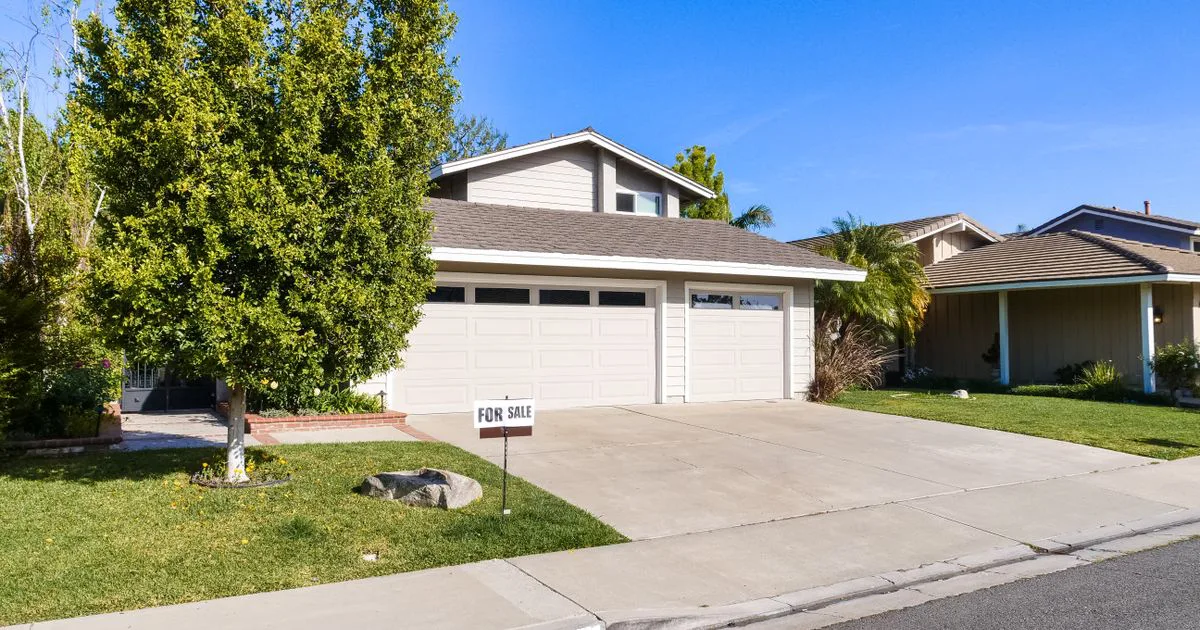
Does House Orientation Affect Property Value? The Evidence

How to Check a Home's Orientation Before You Buy
Is an East-Facing House Good? The Morning-Sun Trade-off
Is a South-Facing House Really Bad in Australia?
Is a West-Facing House Good? Managing the Afternoon Heat
North-East vs North-West Facing: Which Is Better?