
knest.ai • Property intelligence for home buyers
North-Facing Backyard vs North-Facing Front: Which Matters More?
When the choice is a north-facing backyard or a north-facing front, the backyard usually matters more, because that's where your living areas and outdoor space get the sun.
Two homes on the same street can both be "north-facing" and feel completely different to live in. One faces north at the front door; the other backs onto the sun. If you have to choose, the backyard usually matters more, because that's where your living areas and outdoor space sit, and that's where you want the winter sun. The front door's aspect barely touches how the house feels day to day.
- When you must choose, a north-facing backyard usually beats a north-facing front, because the living areas and outdoor space sit at the back.
- A north-facing front with a south-facing yard is a common listing, and it's often the weaker outcome for sun.
- What counts is the aspect of the spaces you actually use, ideally within about 15° west to 20° east of true north, not the way the front points (YourHome, Australian Government).
- A north-facing front can still be the better buy if the main living rooms face the street.
- Check the yard and living-area aspect on site, and look at what shades them.
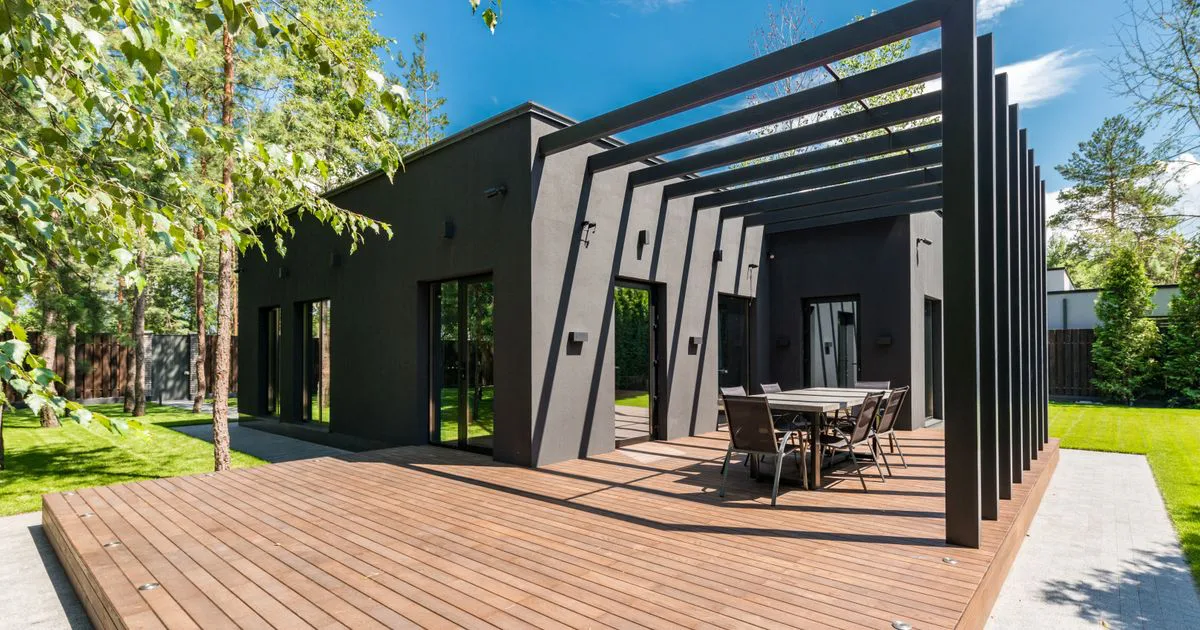
Does the backyard or the front need to face north?
The backyard, in most Australian homes. Here's why: the rooms you live in, the kitchen, the family room, the deck, almost always open to the rear, and so does the yard where you'll sit, garden and entertain. If that space faces north, it catches low winter sun for most of the day, which is exactly what makes a home feel warm and bright in the cooler months. A north-facing front, by contrast, mostly warms the entry, the driveway and rooms you pass through rather than live in.
This is the trap in a listing that proudly says "north-facing". In the listings we read at knest.ai, that phrase is one of the most over-sold labels going: more often than not it means a north front with a south-facing yard, which is close to the weakest version of "north-facing" a buyer can get. The label is often applied to just the front, which on its own tells you very little about where the sun actually lands once you're inside. If you're fuzzy on what the label even measures, it's worth a two-minute read on what a north-facing house means first. The short version: aspect is about the spaces you use, not the street number.
North-facing backyard vs north-facing front, compared
Here's the side-by-side for the two homes on that same street:
| Factor | North-facing backyard | North-facing front |
|---|---|---|
| Winter sun where you live | Into the yard and rear living areas | Into the entry and front rooms |
| Outdoor living | Sunny and usable most of the year | Yard often shaded and cooler |
| Main living rooms | Usually open to the sunny rear | Only if they happen to sit at the front |
| Street appeal and privacy | Private, sunny rear; plain front is fine | Bright front; rear privacy varies |
| Typical verdict | Best for most buyers | Fine when the living areas face the street |
The pattern is clear enough: a north-facing backyard puts the sun where daily life happens, while a north-facing front only helps if your living rooms are unusually placed at the front of the house.
Why does a north-facing backyard usually win for sunlight?
It comes down to where the low winter sun can reach. In southern Australia the sun sits low in the northern sky through winter, so a yard and rear rooms that open north get long, direct light across the middle of the day. That warms the living space for free and keeps it bright, and it's the single biggest comfort difference between two otherwise similar homes.
An outdoor space that faces north is also the one you'll actually use. A north-facing deck or patio stays pleasant for morning coffee and afternoon sun a good chunk of the year, where a south-facing yard sits in the home's own shadow and feels cold and damp much sooner. Gardens do better too, since most productive planting wants sun.
There's a summer side to this, and it's manageable. The sun that sits low in winter rides high overhead in summer, so a modest eave or pergola over north-facing glass blocks the harsh summer angle while still letting the winter sun in. That's the aspect passive design is built around (YourHome, Australian Government). West-facing glass is the harder one to tame, so keep an eye on any large west windows on the yard side.
When is a north-facing front actually fine?
Plenty of homes break the usual layout, and for them a north-facing front is no problem at all. If the main living areas sit at the front of the house, a reverse-living upper floor, an apartment with a north-facing balcony off the lounge, or a plan where the kitchen and family room face the street, then a north front is putting sun exactly where you want it. The rule was never "the back must face north". It's "the living areas and outdoor space should".
Block shape matters too. On a corner or a narrow lot, the yard might sit to the side rather than the rear, so the front-versus-back question stops being the right one; you check the side yard's aspect instead. And in hot northern climates, less direct sun into the home can be a feature rather than a fault, which is part of why north isn't automatically best everywhere. The point is to read the actual house, not the compass reading at the front step.
How to check which way the yard and living areas face
Checking the yard and living-area aspect yourself takes only a couple of minutes, and it's the surest way to see past the listing label. Stand with your back to the main living-area or backyard wall, point a phone compass set to true north, and note the direction; then check the floor plan's north arrow against where the living rooms and yard sit. Our full method is in how to check a home's orientation, including how to pre-check online before you visit.
While you're there, look at what shades the space: fences, the house itself, and tall neighbours can put a "north-facing" yard in shadow for much of the day, and a deep eave changes how much sun reaches the back rooms. If the windows themselves are the thing you're weighing, north-facing windows and rooms goes deeper on light, heat and bills. For the whole topic, see our guide to house orientation.
Frequently asked questions
Is a north-facing backyard better than a north-facing front?
Usually yes. The backyard is where the living areas and outdoor space sit, so north there means winter sun where you actually use it. A north-facing front with a south-facing yard is the weaker common case.
Does the backyard or the front need to face north?
The backyard, in most homes, because that's where the main living rooms open and where you want sun. The front door's aspect matters far less to comfort.
Does a north-facing backyard get more sun?
In southern Australia a north-facing yard gets the most useful winter sun, low and long across the space. Check for shade from fences, the house itself and neighbours before you rely on it.
What if the living areas are at the front of the house?
Then a north-facing front can be the better outcome. It's the aspect of the living areas and outdoor space that counts, not the label on the front of the house.
Sources
- YourHome (Australian Government), Orientation, retrieved 2026-07-03, https://www.yourhome.gov.au/passive-design/orientation
- YourHome (Australian Government), Shading, retrieved 2026-07-03, https://www.yourhome.gov.au/passive-design/shading
Daniel Ryan, Editor, knest.ai
General information only. This article is general information for Australian home buyers, not personal financial, legal or property advice, and not a valuation. Confirm a home's orientation and how it performs with the relevant licensed professional, such as a building and pest inspector or an accredited energy assessor. knest.ai is a buyer-side property-intelligence platform that supports your decisions; it doesn't replace these professionals.
Recommended for you
Does House Orientation Affect Property Value? The Evidence

How to Check a Home's Orientation Before You Buy
Is an East-Facing House Good? The Morning-Sun Trade-off
Is a South-Facing House Really Bad in Australia?
Is a West-Facing House Good? Managing the Afternoon Heat
North-East vs North-West Facing: Which Is Better?