
Malabar NSW 2036
Malabar is a coastal, beachfront suburb in Sydney’s City & Eastern Suburbs, within Randwick City Council. It is known for a quiet coastal character, beach access and notable open space, with parks and reserves across the suburb. Housing is led by separate houses, with apartments a smaller share. Public transport to the Sydney CBD is about 45 minutes, while driving is about 20 minutes, and bus services are available. Household income is generally above average. The population shows strong Australian and English heritage influences. Major shopping is typically served by Westfield Eastgardens. Aircraft noise is also a local consideration, with council material noting efforts to reduce noise impacts from Port Botany.
The mix of houses and apartments that make up the Malabar NSW 2036 property market, and the sale price range each achieved over the past 12 months.
How close Malabar NSW 2036 properties sit to major roads or rail, and how much traffic noise that brings compared to properties set back from them.
Train, metro, light rail, ferry and B-Line services accessible from Malabar NSW 2036.
"Houses" in this report includes detached houses, duplexes, and terraces.
How house lots across Malabar NSW 2036 sit relative to street level — topography that affects drainage, flood risk, privacy, and build cost.
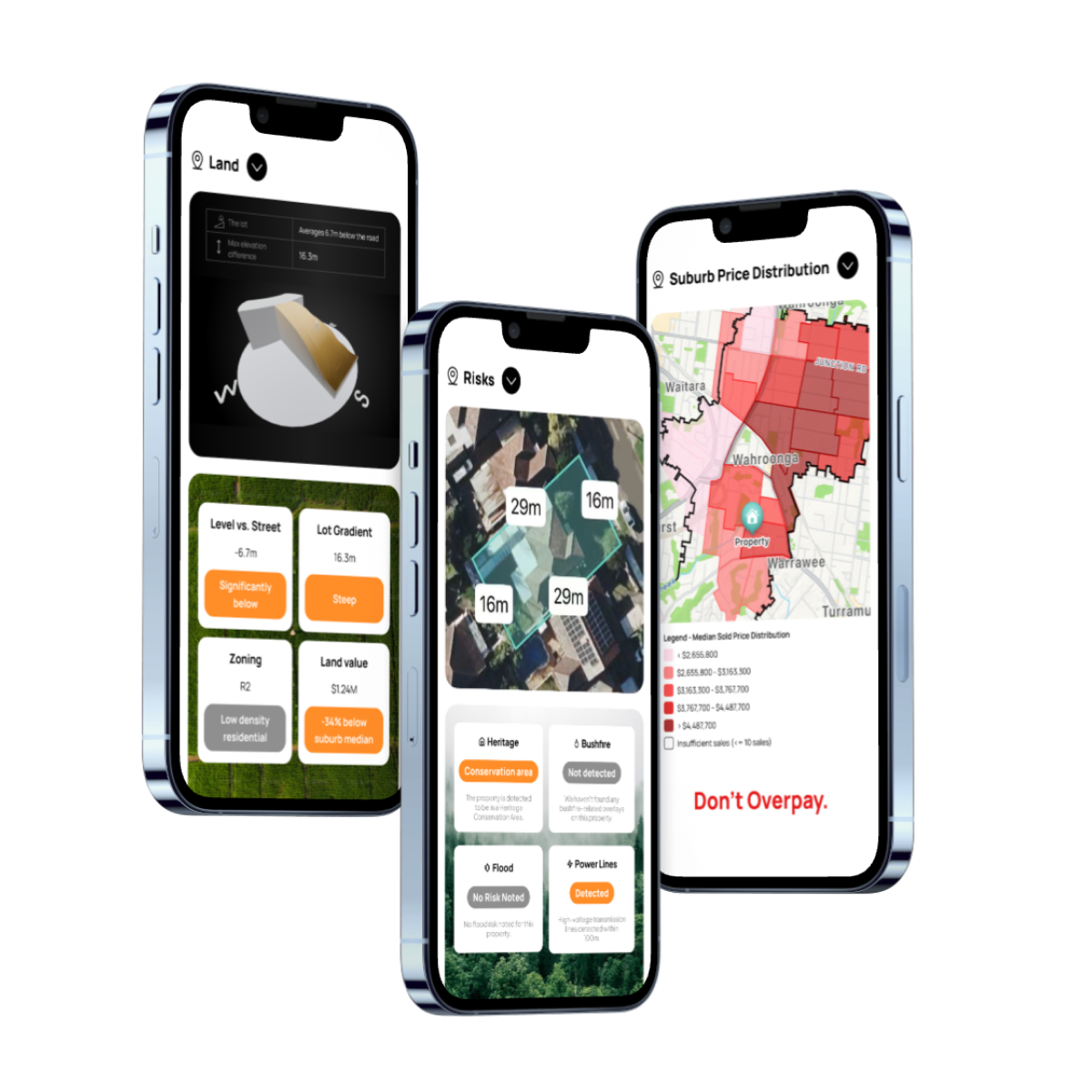
See which key planning overlays and environmental risks affect this suburb before you buy.
The share of Malabar NSW 2036 houses within easy walking distance (1.2km) of a train station.
The 20-year trend in median house sale prices across Malabar NSW 2036, tracked separately from apartments.
Typical land characteristics and common property features across Malabar NSW 2036.
How property prices vary across the different pockets of Malabar NSW 2036, and how each pocket compares.
The top 3 highest house sales in Malabar NSW 2036 over the past 24 months.


85 popular houses in Malabar NSW 2036
Where apartment projects are concentrated across Malabar NSW 2036, with project-level sales context.
The median weekly rent for apartments in Malabar NSW 2036.
The largest apartment projects in Malabar NSW 2036, ranked by number of lots.
2 popular apartments in Malabar NSW 2036
Median age, household income, and the renter-versus-owner split that shape the Malabar NSW 2036 community.
Get the knest.ai app
Gain ultimate insights into any property
Buyer-focused property platform identifying risks, price estimates, 3D land maps and more to help you make smarter decisions — completely free.

Living in Malabar NSW 2036: Suburb Profile & FAQs
Common questions about living in and buying property in Malabar NSW 2036 — lifestyle, transport, schools, and the housing market.
Note: Data is sourced from the Australian Bureau of Statistics (ABS) 2021 Census data and knest.ai internal statistical data.
Is Malabar NSW 2036 a good suburb for families?
Malabar NSW 2036 is a mixed rather than standout option for families. The suburb does show some family foundations: children aged 0 to 4 make up about 3.1% of residents and those aged 5 to 14 about 8.9%, while the average household size is 2.6, which suggests a steady family presence rather than a heavily child-focused suburb. Housing is also tilted toward separate houses at 53%, which gives family buyers a better chance of finding more practical layouts than in apartment-dominant areas. That said, the picture is not uniformly strong. Safety sits at 2 out of 5, and the housing mix still includes a notable apartment share at 23%, so Malabar does not read as a classic highly family-friendly suburb built around top-tier school and safety credentials. For buyers prioritising beach access and a quieter coastal setting, Malabar can still work well, but families wanting stronger school depth and a more reassuring safety profile may compare it with other eastern suburbs.
What is it like to live in Malabar NSW 2036?
Living in Malabar NSW 2036 feels quiet, coastal and fairly low-key compared with busier parts of the Eastern Suburbs. Its beachfront position and coastal setting are the big lifestyle drawcards, and the suburb character aligns with that calmer feel rather than an urban, high-energy atmosphere. In day-to-day terms, Malabar offers a more relaxed beachside lifestyle, but not a highly activated one. Walkability is 3 out of 5, which is serviceable, while retail is 2 out of 5 and culture is 2 out of 5, so buyers should not expect a strong café-strip, shopping hub or lively cultural scene on their doorstep. Tree canopy cover is also modest at 10.94%, so the suburb is more open and coastal than leafy. For many buyers that trade-off is exactly the appeal: less bustle, more shoreline. For others, especially those wanting a stronger village centre or walk-everywhere convenience, Malabar may feel a little sparse.
Is Malabar NSW 2036 well connected for commuting?
Malabar NSW 2036 is reasonably well connected, but it is not one of Sydney’s easiest suburbs for public transport commuting. The suburb has no train, no metro and no light rail service, so public transport access depends heavily on buses, and Malabar does at least have many bus services. Average public transport travel time to the Sydney CBD is about 45 minutes, while driving is around 20 minutes, which makes the suburb much more straightforward for buyers who regularly use a car. In practical terms, that means commuting is workable rather than seamless. If you are used to train-based suburbs with multiple transport modes, Malabar may feel more limited. On the other hand, buyers who value a coastal address and do not mind bus reliance may see that as a fair trade. It is a better fit for people comfortable with driving or flexible work patterns than for those wanting fast rail access every day.
Who does Malabar NSW 2036 suit best?
Malabar NSW 2036 suits best buyers who want a quieter coastal suburb and are comfortable prioritising lifestyle over urban convenience. The resident profile points to an established area with a median age of 43, a 53% separate-house share and a meaningful professional and managerial base, with professionals at 26.0% and managers at 16.0%. That tends to appeal to owner-occupiers, mature families, and buyers looking for a steadier residential environment rather than a dense, highly transient one. Median weekly family income of $2,252 suggests many households are reasonably resourced, but not necessarily in the ultra-premium bracket seen in some nearby prestige coastal pockets. With renters making up about 34.7% of the suburb, Malabar still has a mixed tenure profile rather than feeling tightly held across every street. It may suit apartment buyers less if they want a more vibrant centre, and it may suit heavy CBD commuters less if rail access is a non-negotiable.
What are the pros and cons of living in Malabar NSW 2036?
The main trade-off in Malabar NSW 2036 is that you get a genuine coastal lifestyle, but you give up some convenience and amenity in return. On the plus side, Malabar has beachfront access, a quieter suburb character, many bus services and a housing mix that still leans toward separate houses, which is valuable for buyers wanting more space in the Eastern Suburbs. Driving access to the CBD is also relatively manageable at around 20 minutes in average terms. The compromise is that the suburb is not especially strong for retail, culture or broader transport choice. Retail is 2 out of 5, culture is 2 out of 5, and there is no train, metro, light rail or ferry service, so the lifestyle is more residential and self-contained than highly convenient. Safety at 2 out of 5 is another factor buyers should weigh carefully. For the right buyer, especially someone chasing beachside calm rather than constant activity, those compromises may still feel worthwhile.
What are property prices like in Malabar NSW 2036?
Property prices in Malabar NSW 2036 look expensive for houses and more accessible for apartments, based on the recent sales evidence available. In the last six months, the median house price recorded was about $2.585 million, while the median apartment price recorded was about $900,000. That creates a fairly clear split in buyer entry points. For house buyers, Malabar sits in a price bracket where budget pressure is real, and you are paying for a coastal Eastern Suburbs position with a higher share of detached housing than many nearby beachside areas. For apartment buyers, the suburb appears far more attainable by Sydney coastal standards, although the recent sample size is small, so buyers should treat it as a directional guide rather than a complete market picture. In practical terms, buying property in Malabar means deciding whether you want the house-and-land lifestyle at a premium price or a more affordable apartment entry with some compromise on space and amenity.
26 surrounding suburbs near Malabar NSW 2036
33 streets in Malabar NSW 2036