
knest.ai • Property intelligence for home buyers
Why “North Is Best” Is a Myth: Orientation by Australian Climate Zone
“North is best” is a rule for the temperate south, not a law of Australian physics. Across the country's climate zones the right orientation changes, and in the tropics it can flip entirely.
“North is best” is the one thing most Australian buyers think they know about orientation. And for most of the population it is sound advice. But it is a rule for the cooler, temperate south, not a law that holds everywhere. Australia stretches from cool highlands to the wet tropics, and the best orientation changes with the climate. In Darwin, applying Melbourne's rulebook can leave you optimising for exactly the wrong thing. So before you judge a home by its aspect, place it in its climate.
- “North is best” is a rule of thumb for the temperate south, not a national law.
- Australia has eight main climate zones, and the right orientation follows the zone (YourHome, Australian Government).
- In the cool and temperate south (Melbourne, Sydney, Adelaide, Canberra, Hobart, Perth), chasing north for winter sun is sound.
- In the tropical north (Darwin, Cairns, coastal Queensland), the goal flips to keeping sun out and catching breezes, so a sun-catching north aspect matters far less.
- Place a home in its climate first, then check the living-area aspect either way.
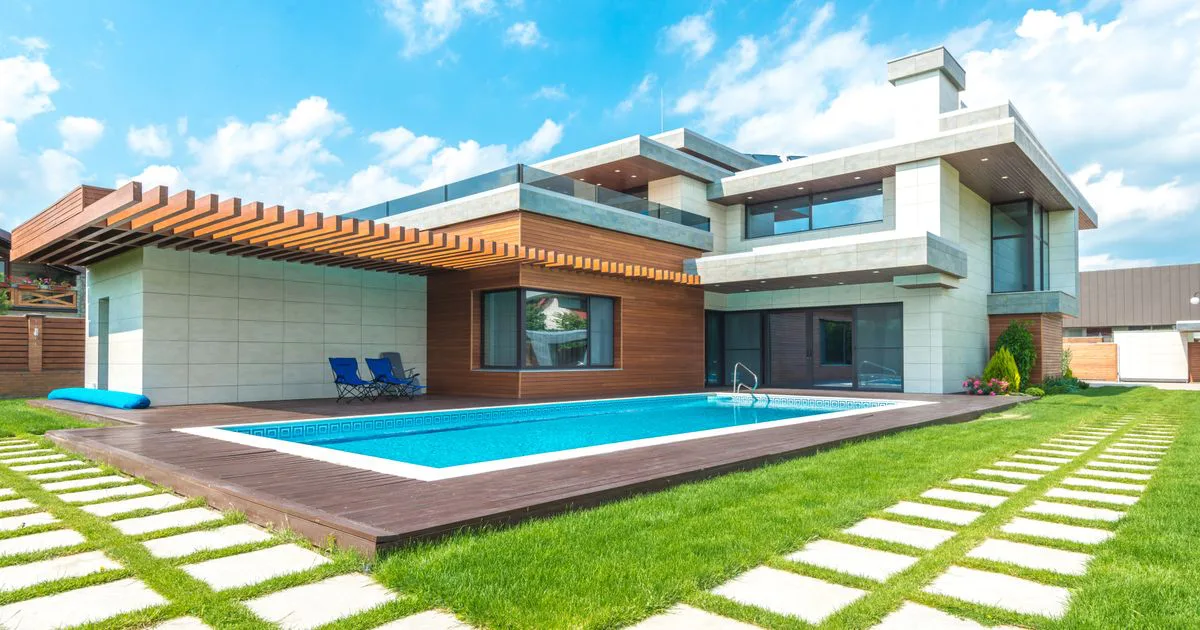
Where the “north is best” rule comes from
The rule is not wrong, it is just regional, and it comes from solid physics. In the southern half of Australia the winter sun sits low in the northern sky, so a home whose living areas face north catches that low sun through the cold months and warms up for free. And because the summer sun climbs high overhead, that same north glass is the easiest of any aspect to shade with a simple eave. Capture winter warmth, block summer heat: it is the foundation of passive design (YourHome, Australian Government), and it genuinely works for most of the country's population, who live in the temperate south.
That is why the advice spread so widely, and why it is worth taking seriously if you're buying in a southern city. If you want the full comfort case for a north aspect, is a north-facing house good? lays it out. The trouble starts only when the rule is lifted out of the climate it was made for and dropped somewhere it doesn't fit.
Australia isn't one climate: the eight zones
This is the reframe that makes orientation make sense. Australia has eight main climate zones, from the wet tropics of the far north to the cool temperate south and the alpine country in between (YourHome, Australian Government). Orientation isn't really about the compass at all; it's about a sun-control goal, and the goal is set by the zone. In a cold climate you want to let sun in. In a hot one you want to keep it out. North-facing is simply the tool that serves the first goal, and it is close to useless for the second.
So the honest version of the rule isn't "face north". It's "work out whether your climate wants you to collect sun or reject it, then orient for that". Here's how that plays out across the country:
| Climate zone | Example places | What to prioritise |
|---|---|---|
| Cool temperate & alpine | Hobart, Canberra, the highlands | Maximise winter sun; chase a north aspect; overheating is rarely the main worry |
| Mild & warm temperate | Melbourne, Sydney, Adelaide, Perth | Capture winter sun and shade it in summer; the classic north-aspect rule |
| Hot & dry (arid inland) | Alice Springs, Mildura, Broken Hill | Shade and thermal mass first; protect west glass; keeping heat out beats chasing sun |
| Warm-humid subtropical | Brisbane, coastal QLD, northern NSW | Balance: some winter sun, but real attention to shade and cross-ventilation |
| Hot-humid tropical | Darwin, Cairns, the Top End | Catch cooling breezes, cross-ventilate and exclude sun; a sun-catching aspect is a liability |
The temperate south: where north really does win
For most southern buyers, the familiar rule holds, and you should follow it. In Melbourne, Sydney, Adelaide, Canberra, Hobart and Perth, winters are cool enough that free solar warmth is genuinely valuable, and summers are manageable with sensible shading. A home whose living areas and backyard face north will feel brighter and warmer for more of the year, and cost less to keep comfortable, than one that faces south or bakes to the west. Even so, a south-facing home isn't automatically bad; it's cooler and shadier, which suits warmer zones.
The one nuance in the south is the western sun. Late afternoon sun comes in low and hot and is much harder to shade than north sun, so large unshaded west-facing glass is the aspect to watch even in a temperate city, as is a west-facing house good? explains. But the headline is simple: in the cool and temperate south, chasing north is the right instinct.
The tropical north: where the rule flips
Head north of the Tropic of Capricorn and the logic turns over completely. In Darwin, Cairns, and much of coastal Queensland and the Northern Territory, you are not trying to collect winter sun, because there is barely a winter to speak of. You are trying to stay cool all year. That makes the priorities catching cooling breezes, encouraging air to flow right through the home, and keeping the sun out with deep shade and verandahs (YourHome, Australian Government).
In that setting a sun-catching north aspect is not a prize; it can be a liability, one more face letting heat in. What matters far more is whether the home is narrow enough to cross-ventilate, sited to catch the prevailing breeze, and shaded on every side (YourHome, passive cooling). A buyer in Darwin who fixates on a north aspect the way a Melbourne buyer would is optimising for a problem they don't have, and ignoring the ones they do.
Hot, dry inland: shade and mass over aspect
The arid interior is different again. In places like Alice Springs, Mildura and Broken Hill, the sun is intense for most of the day and the swing between hot days and cool nights is large. That big daily swing is exactly what makes thermal mass so useful here: a heavy material like brick or concrete soaks up heat through the day and gives it back after dark, smoothing out both extremes. So the winning moves are heavy shade, thermal mass, and tight protection of west-facing glass from the afternoon sun.
North still has a role, because winter nights can be cold and some solar gain helps, but it sits well behind shade and mass in the order of priorities. Chasing a north aspect while leaving big windows unshaded would be solving the smaller problem and creating a bigger one. In the dry inland, keeping heat under control comes first.
What this means when you're buying
The practical takeaway is to place the home in its climate before you weigh its aspect. Ask what your zone actually wants, to collect sun or reject it, and judge the orientation against that goal rather than against a rule you picked up somewhere else. A north aspect that would be a selling point in Hobart is close to irrelevant in Darwin, and a breezy, well-shaded layout that is essential in Cairns is a nice-to-have in Adelaide.
Whatever the zone, the same habit applies: check the aspect of the living areas and outdoor space you'll actually use, not just the front, using the method in how to check a home's orientation. Treat aspect as one input among several, and remember it barely moves price on its own, as does orientation affect property value? shows. And in a hot or tropical climate especially, get a local building designer or energy assessor to sense-check a home before you commit, because the right answer there looks nothing like the southern rulebook. For the whole picture, see our guide to house orientation.
Frequently asked questions
Is a north-facing house always best in Australia?
No. It's a strong rule for the cooler, temperate south, where you want winter sun. In the tropical north the goal flips to keeping sun out and catching breezes, so north matters far less.
Does the best orientation change by climate?
Yes. Australia has eight main climate zones, and the right orientation follows the zone: capture sun in the south, and exclude it and ventilate in the north.
What's the best aspect in the tropics, like Darwin or Cairns?
Prioritise cooling breezes, cross-ventilation and shade over a sun-catching aspect. A narrow, well-ventilated, well-shaded home beats a north-chasing one.
Does north-facing still matter in Brisbane?
It helps, but less than in Melbourne. Warm-humid subtropical climates want some winter sun but also real attention to shade and airflow, so balance both.
So is “north is best” wrong?
It's not wrong, just regional. It's sound advice for most of southern Australia and misleading if you apply it in the tropics.
Sources
- YourHome (Australian Government), Australian climate zones, retrieved 2026-07-10, https://www.yourhome.gov.au/getting-started/australian-climate-zones
- YourHome (Australian Government), Design for climate, retrieved 2026-07-10, https://www.yourhome.gov.au/passive-design/design-climate
- YourHome (Australian Government), Passive cooling, retrieved 2026-07-10, https://www.yourhome.gov.au/passive-design/passive-cooling
- YourHome (Australian Government), Orientation, retrieved 2026-07-03, https://www.yourhome.gov.au/passive-design/orientation
Daniel Ryan, Editor, knest.ai
General information only. This article is general information for Australian home buyers, not personal financial, legal or property advice, and not a valuation. The right design response varies by climate and site; confirm how a specific home performs with the relevant licensed professional, such as a building designer or an accredited energy assessor. knest.ai is a buyer-side property-intelligence platform that supports your decisions; it doesn't replace these professionals.
Recommended for you
Does House Orientation Affect Property Value? The Evidence

How to Check a Home's Orientation Before You Buy
Is an East-Facing House Good? The Morning-Sun Trade-off

Is a South-Facing House Really Bad in Australia?
Is a West-Facing House Good? Managing the Afternoon Heat
North-East vs North-West Facing: Which Is Better?